Maida Hill Market Community Engagement
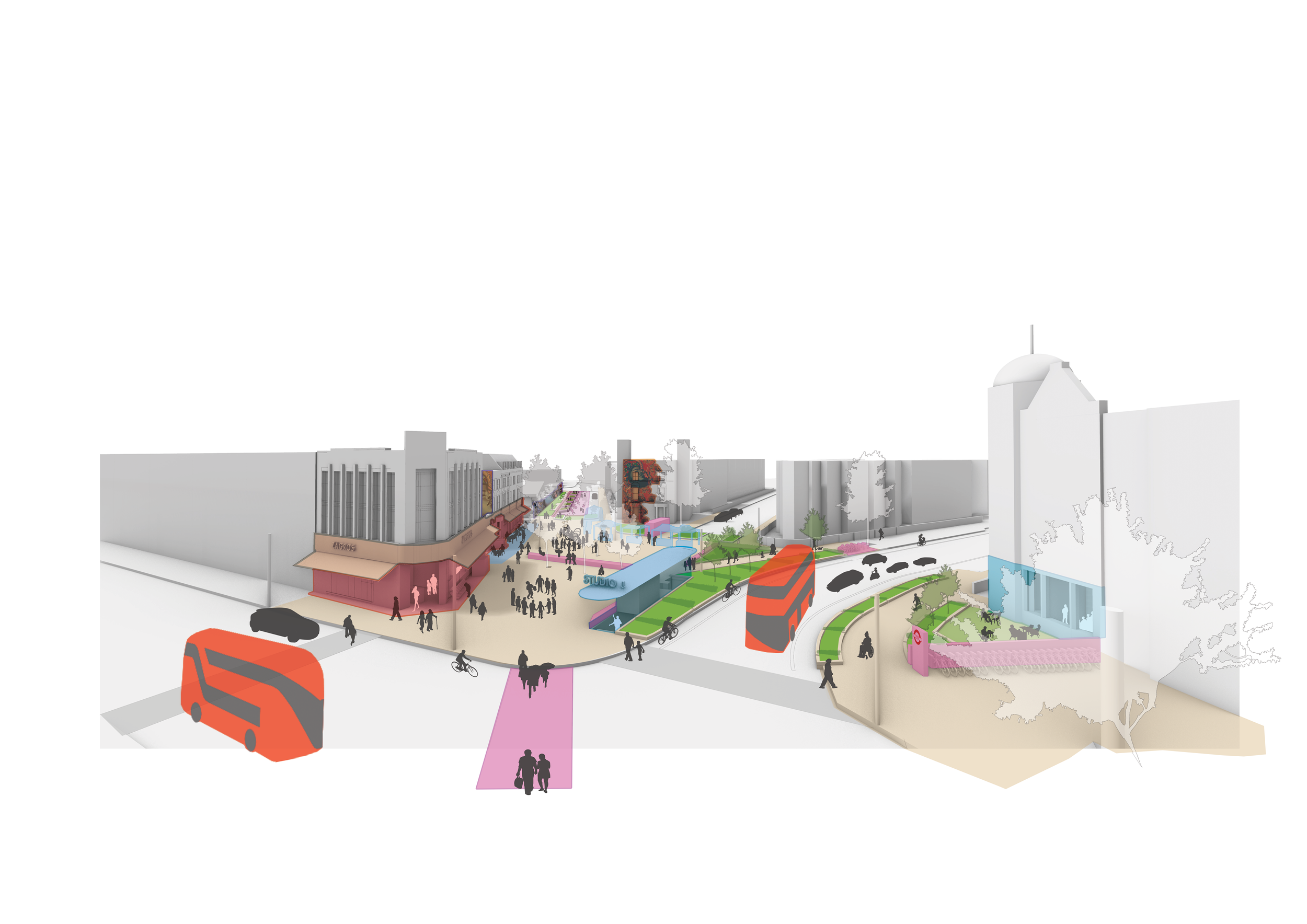
Maida Hill Market is a public square in West London serving a diverse community across cultural and socio-economic backgrounds. Formed in 2009 from a former traffic junction, it never fully shed its transient character. Yet it is a focal point of neighbourhood life: a popular falafel stall draws regular queues, café tables spill into the square, and locals gather to play dominos and socialise. The space also reflects wider pressures in the area. As addiction and mental health services have declined and economic stresses increased, conflict has increasingly played out in the public realm.
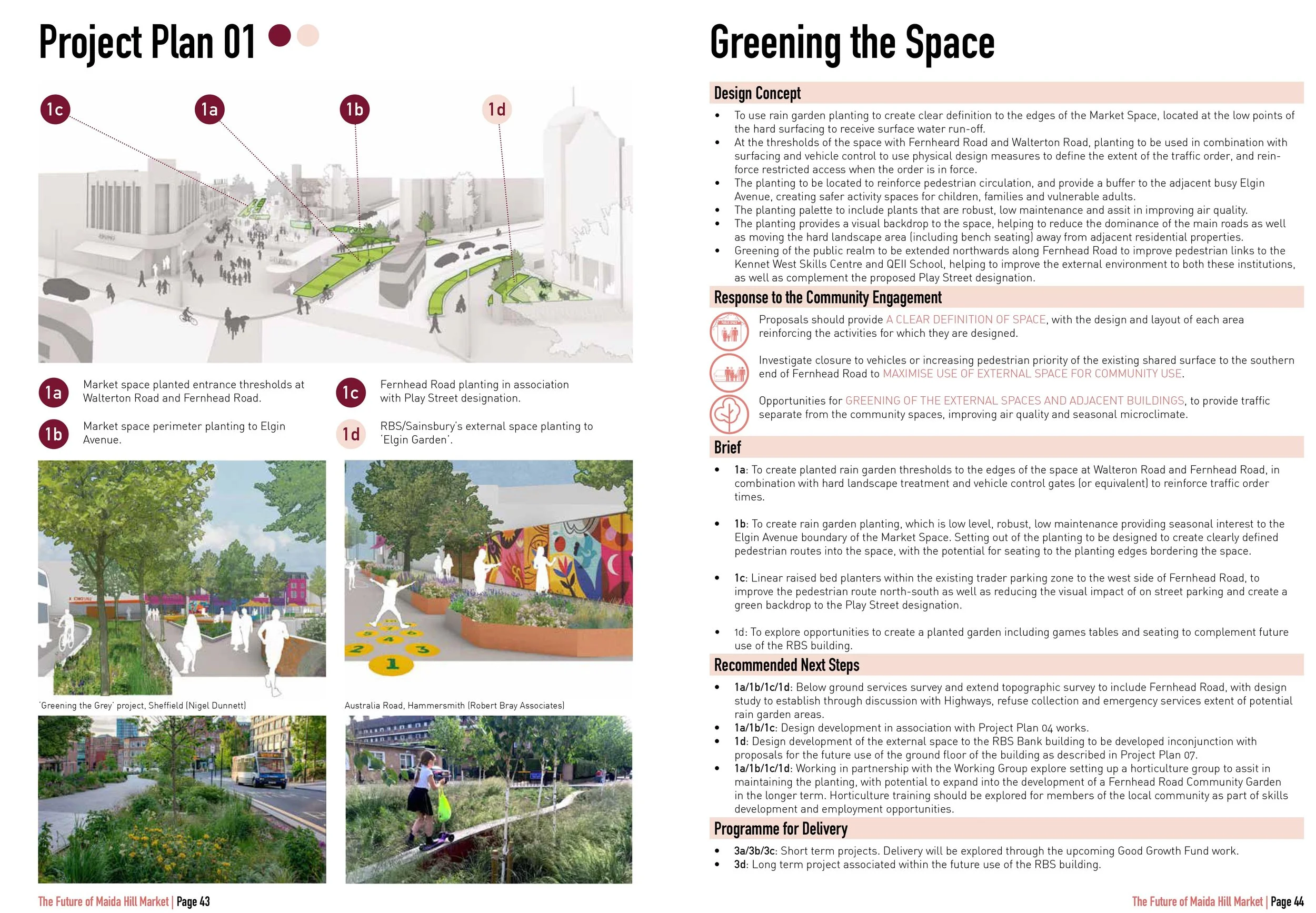
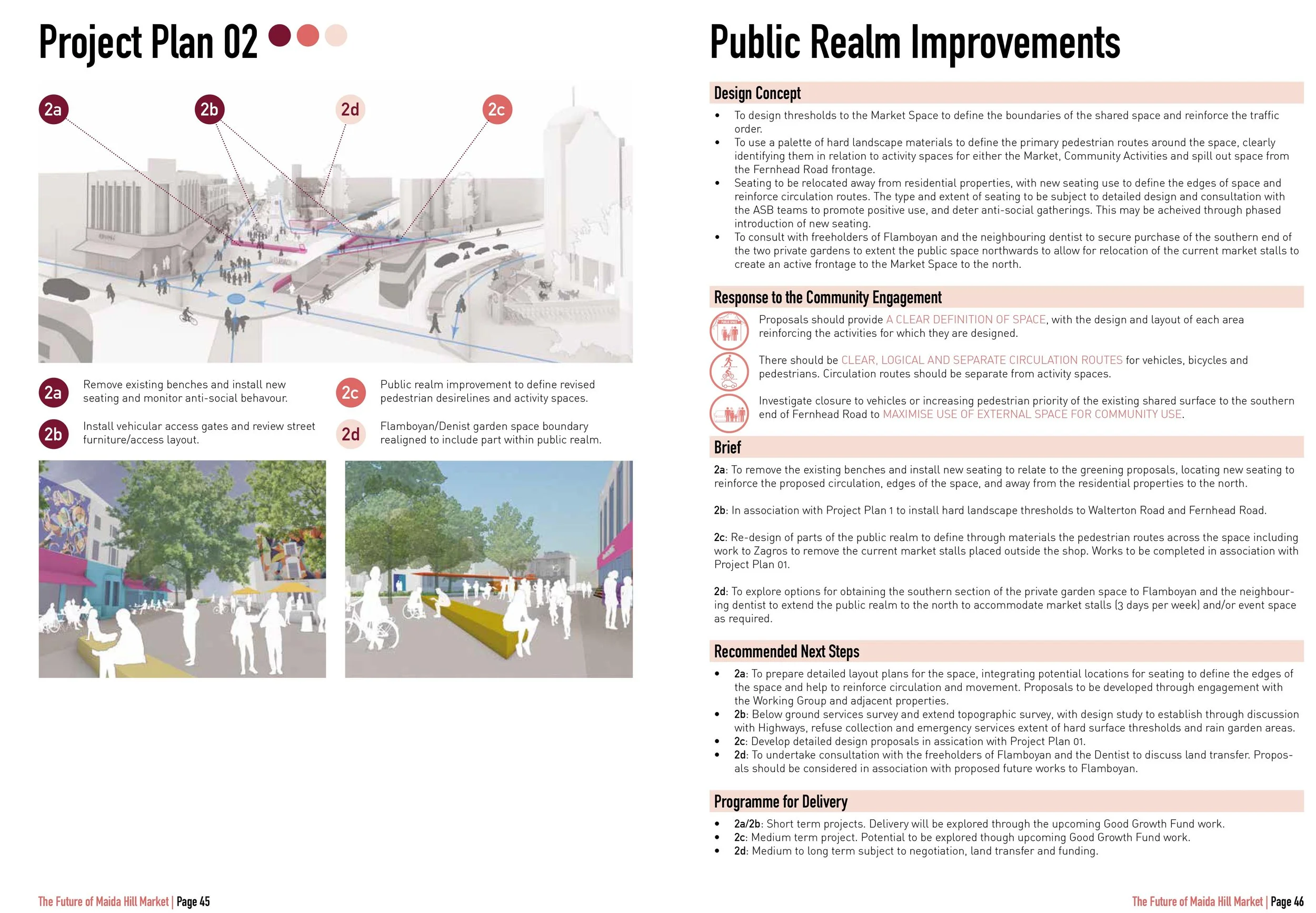
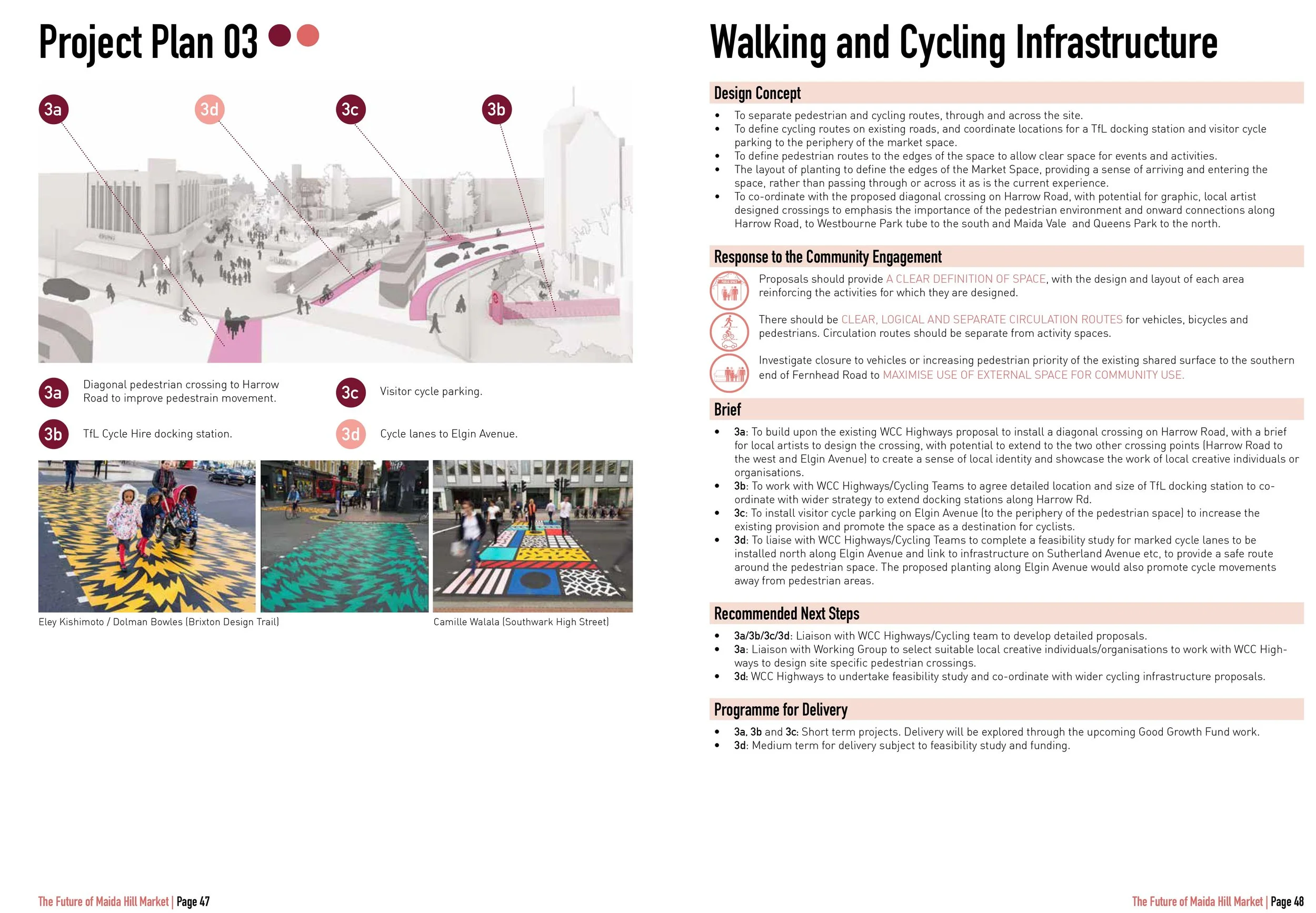
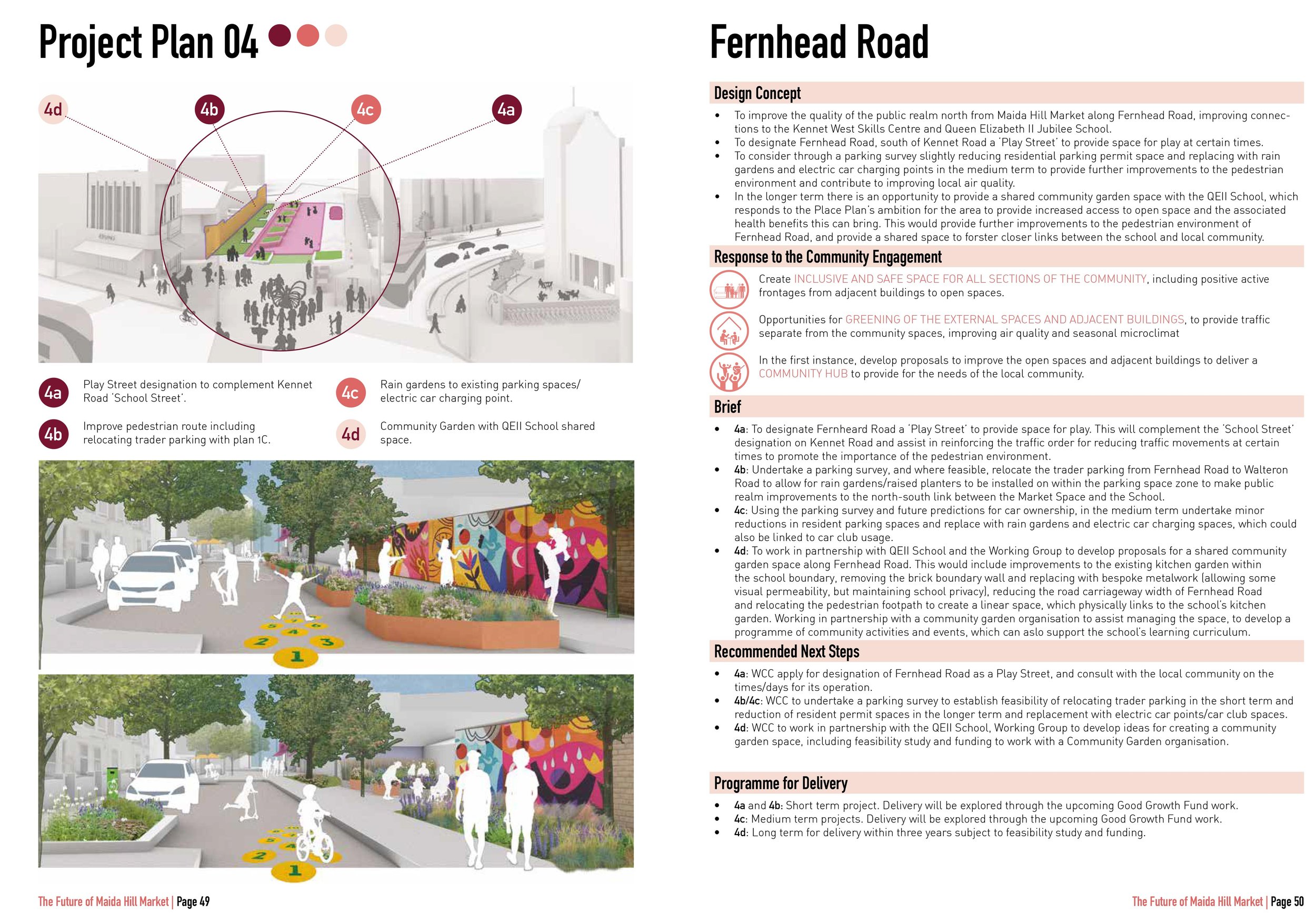
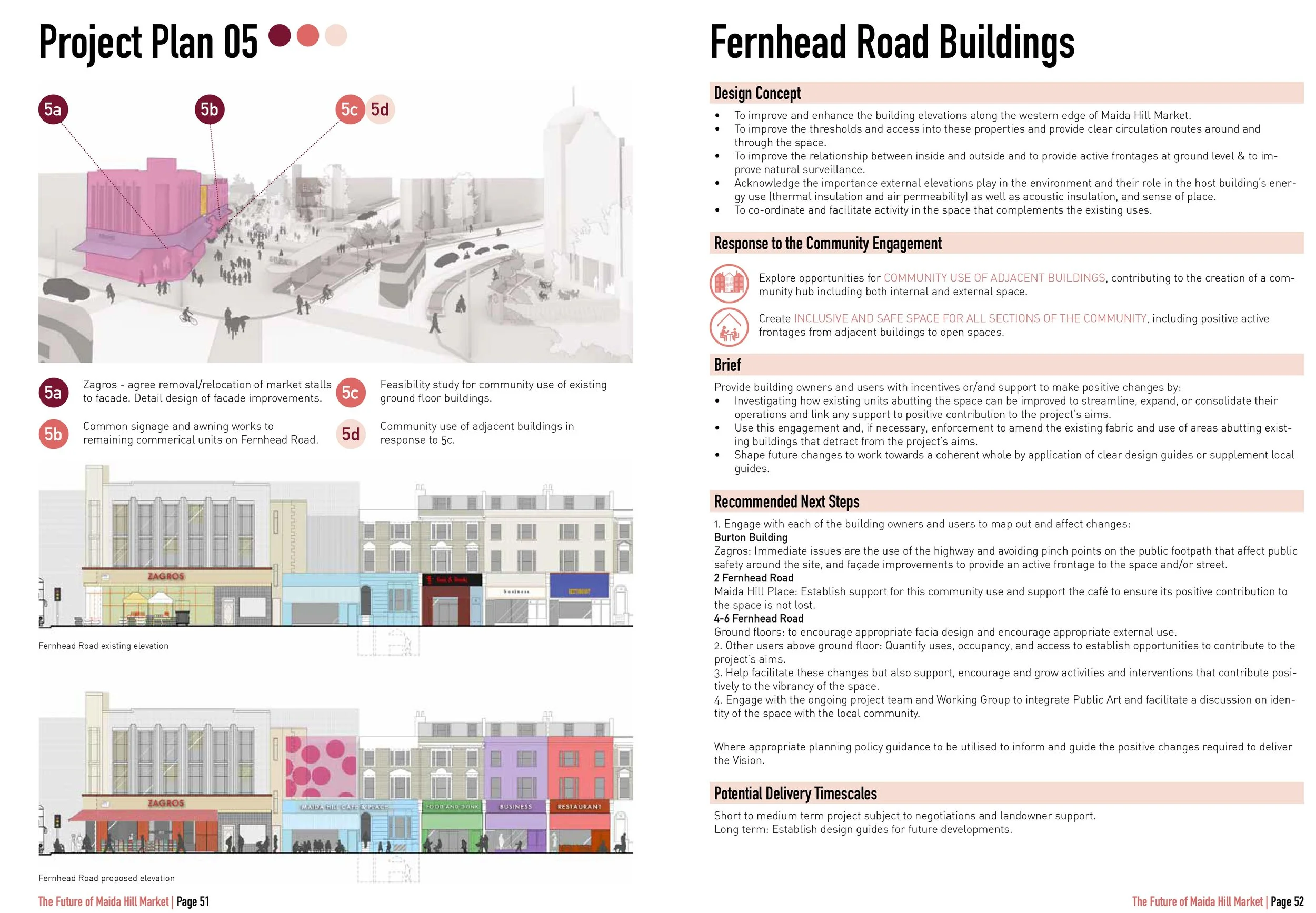
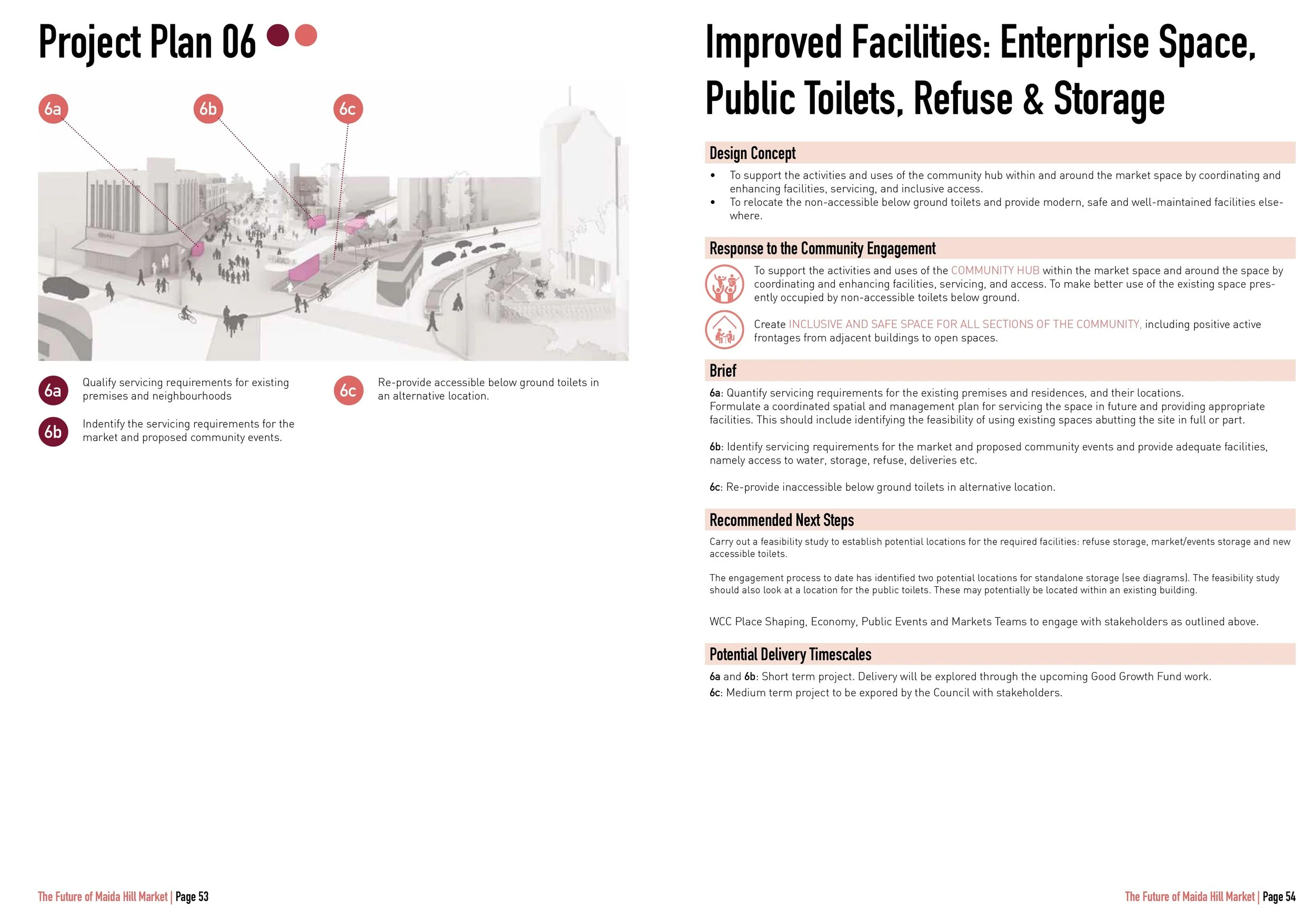
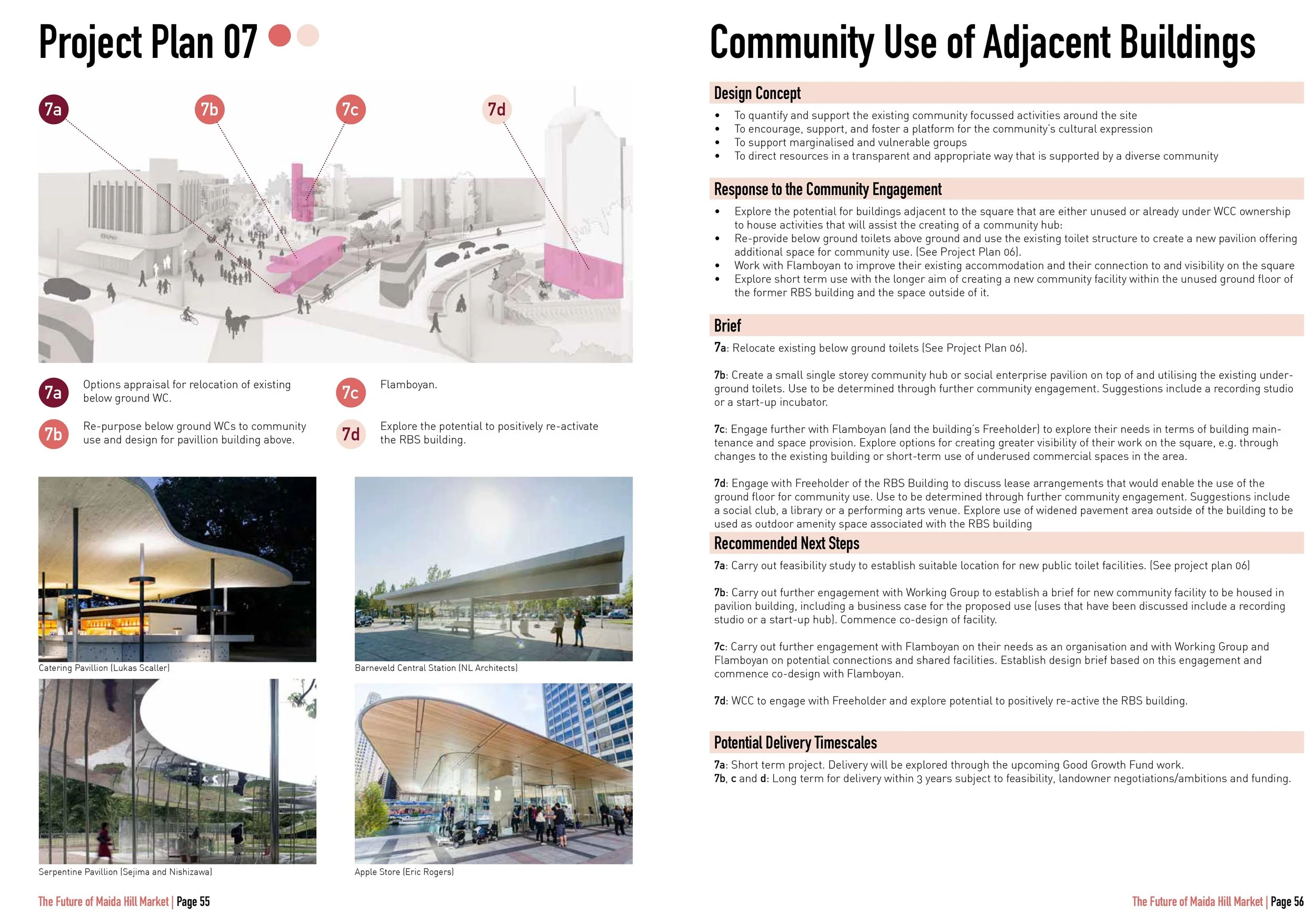
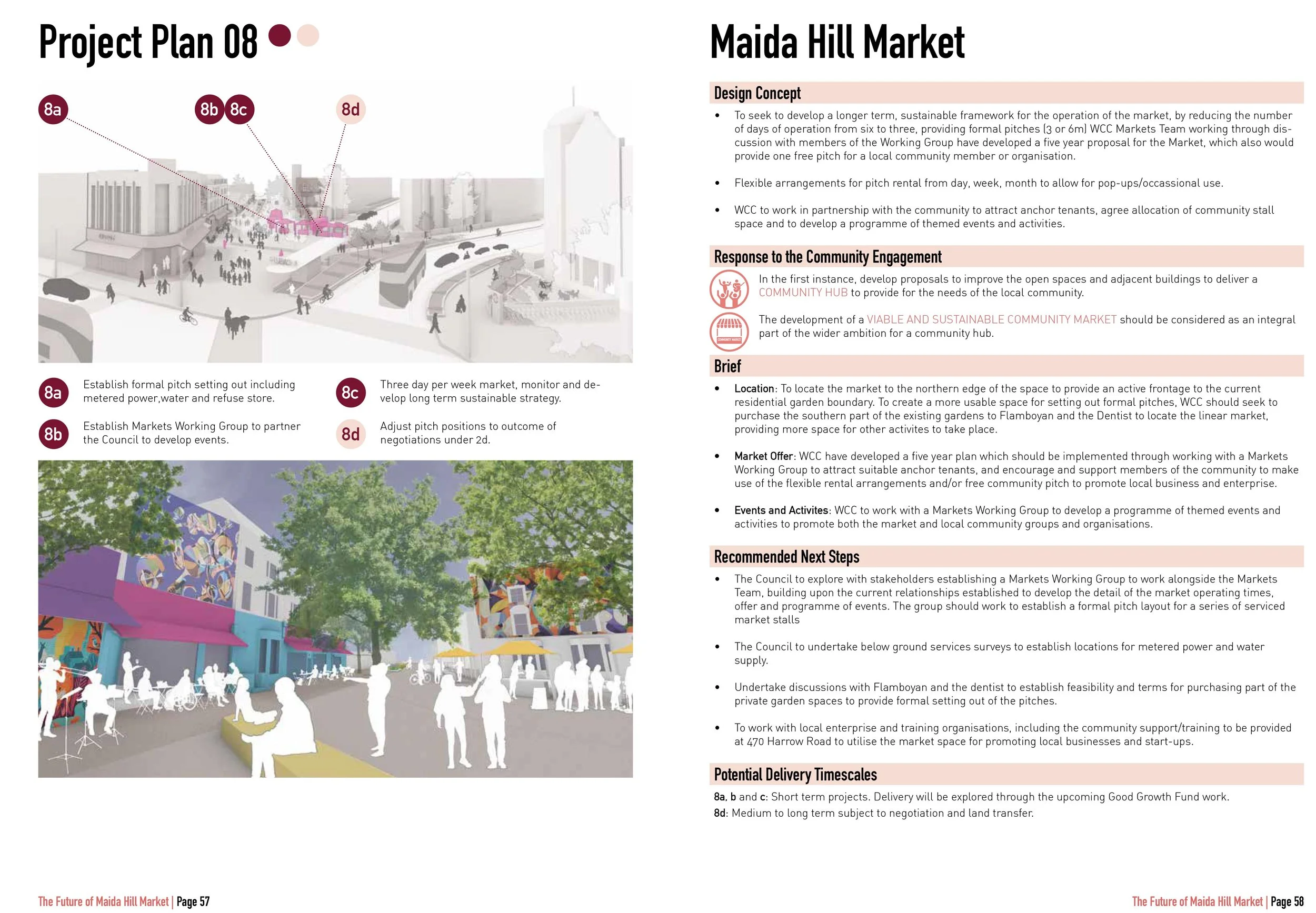
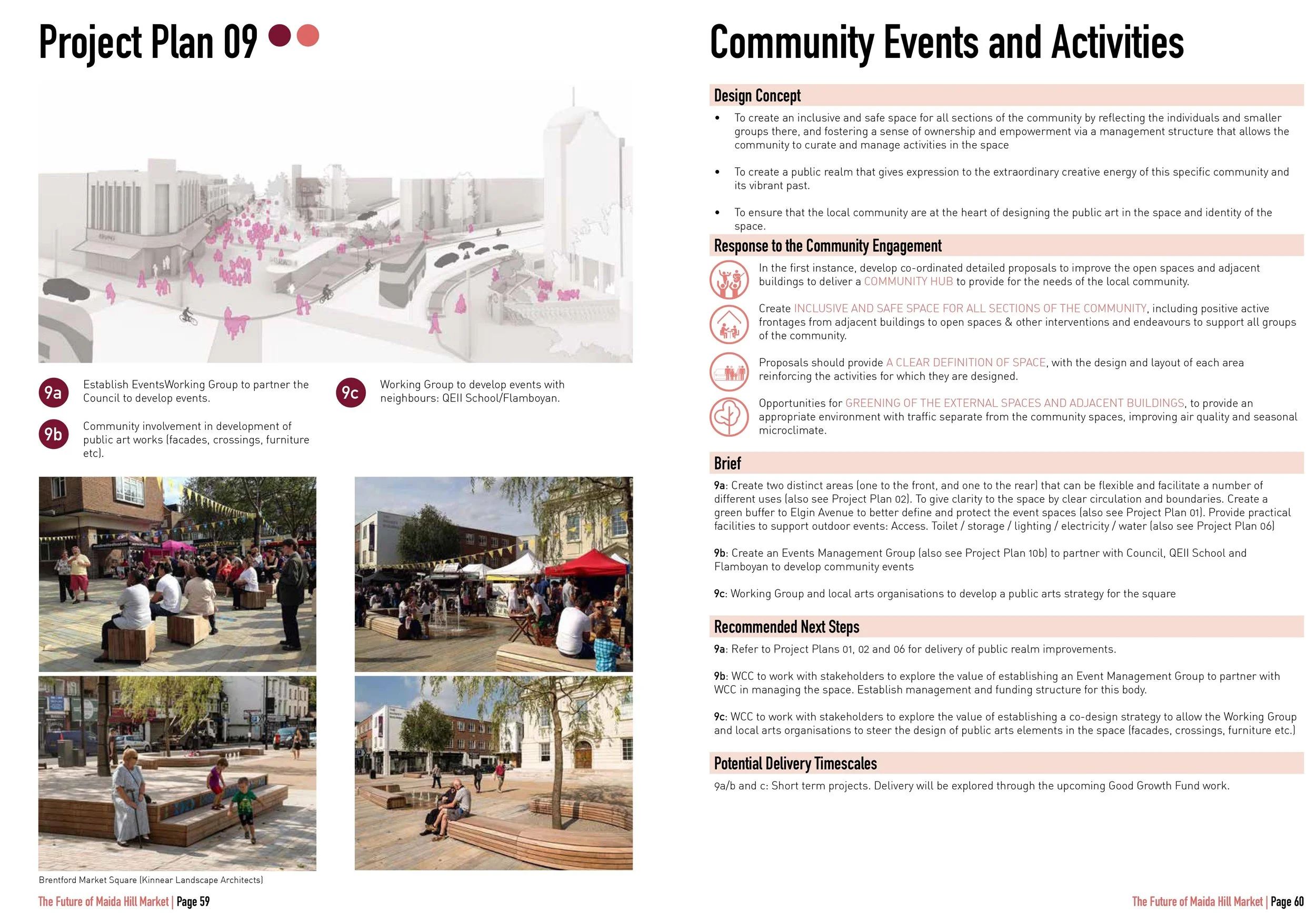
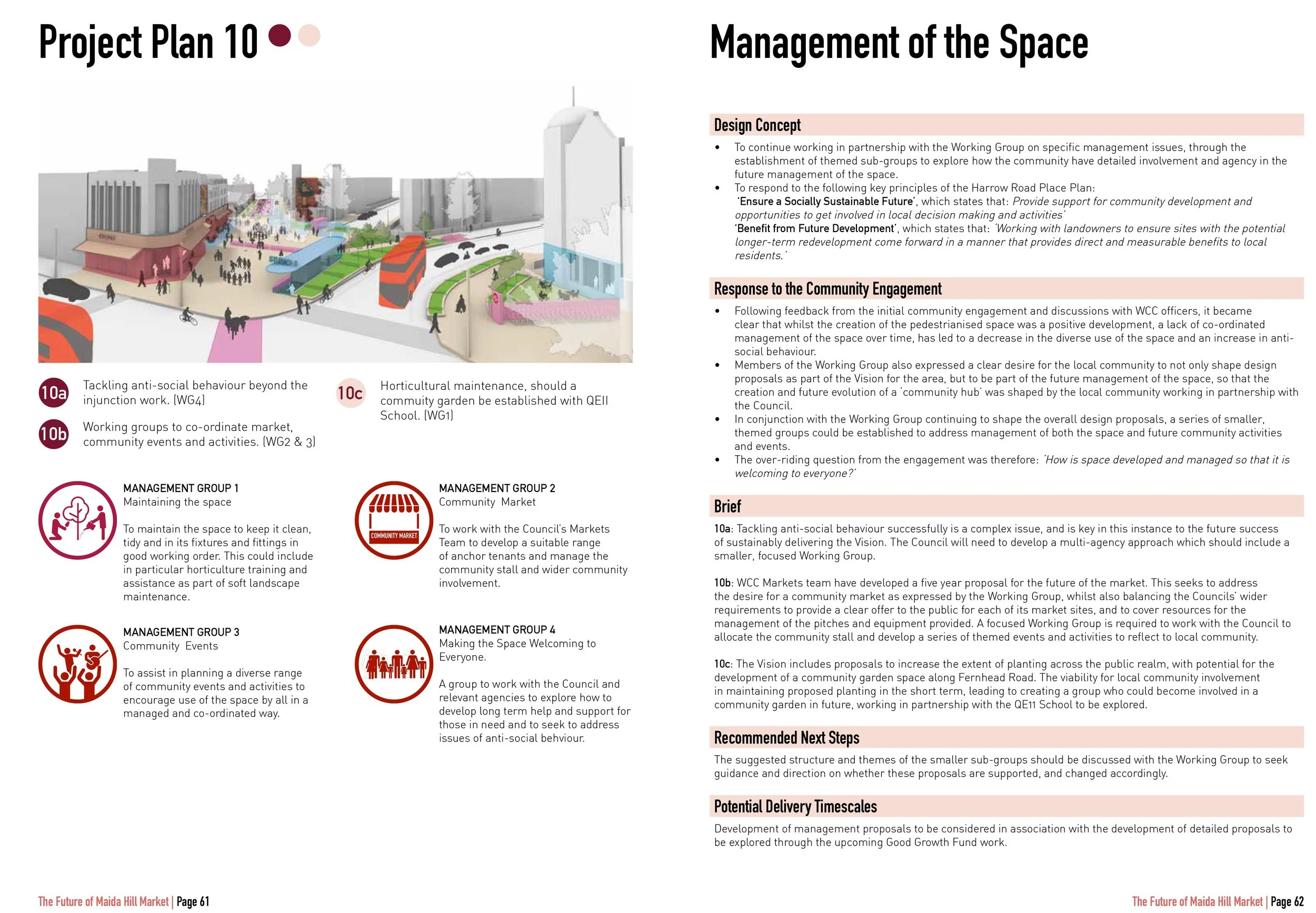
Westminster City Council secured funding through the Greater London Good Growth Fund to upgrade Maida Hill Market and appointed Breeze Landscape Architects and Citizen Architects to develop a community-led vision for the square. The brief extended beyond physical improvements: the project was intended to test how public realm investment could act as a catalyst for rebuilding trust, strengthening social cohesion, and improving the relationship between the Council and local community representatives.
For the Council, the project delivered a transferable model for place-based, participatory engagement that supports more transparent, coordinated decision-making across departments. For residents and local businesses, it created a structured yet open framework for collective authorship of space, enabling dialogue across difference and providing clear routes for community priorities to influence policy and investment.
The engagement programme was structured around a representative Working Group including local businesses, neighbourhood forums, a nearby school and active residents, recruited through public events, local organisations and open calls. The process moved from broad listening to facilitated co-design sessions using a bespoke, game-based toolkit that allowed participants to spatially test proposals, negotiate trade-offs and build consensus.
Proposals were iteratively reviewed with the wider community and across multiple Council departments, prompting productive inter-departmental collaboration. Although later stages were adapted for online engagement during the Covid-19 pandemic, the process had a lasting positive impact on the Council’s community relations.
The process resulted in a clear, community-owned spatial vision, a first phase of interventions now under construction, and an engaged local network that the Council continues to work with as partners for future decision-making processes.
copyright: Breeze Landscape Architects and Citizen Architects