Who We Are
Citizen Architects is led by four directors, each with over 20 years of experience and a distinct area of expertise. Together, they provide strategic leadership across design, engagement, historic architecture, research and delivery, ensuring projects benefit from multiple perspectives. This allows us to respond thoughtfully to complex projects, combining strategic insight with practical delivery.
WhAT We do
Participatory Design & Facilitation
We offer specialist expertise in designing and facilitating participatory processes that support inclusive and transparent decision-making and meaningful co-design. Our work enables people without formal design training, but with lived experience, local knowledge and legitimate interests, to actively shape decisions and developments that affect them.
For each project, we develop a bespoke methodology informed by over 20 years’ experience, established participatory frameworks and a combination of creative in-person and advanced digital tools. Our processes are carefully tailored to context, scale and scope, helping clients navigate complexity, reduce conflict, build trust and reach robust, shared outcomes.
Our participatory design services include:
Designing and facilitating engagement, consultation and co-design processes
Community-led visioning and brief development
Convening and facilitating working groups, design workshops and participatory reviews
Stakeholder mapping and governance frameworks
Gamified, spatial and visual tools to support collective decision-making
Digital and hybrid engagement strategies
Evaluation, feedback and data analysis
Historic Architecture
We offer specialist services in historic architecture and conservation, working sensitively within conservation areas and with listed buildings.
Our historic architecture services include:
Conservation-led refurbishment and adaptation
Design within conservation areas and listed building contexts
Repair, reinstatement, and reinterpretation of historic fabric
Liaison with conservation officers and heritage stakeholders
Integrating contemporary interventions within historic settings
We take a confident, pragmatic approach to heritage, balancing careful conservation with confident contemporary design, while retaining character and significance.
Architecture and Sustainable Design
We offer thoughtful, context-led architectural services with sustainability embedded from the outset. Our work prioritises the adaptation and reuse of existing buildings, alongside carefully considered new interventions where appropriate.
Our sustainable design services include:
Adaptive reuse and retrofit
Low-energy and climate-responsive design strategies
Material choices that prioritise durability, repairability, and longevity
Designing for long-term performance and whole-life value
We balance environmental responsibility with architectural clarity, creating buildings that are robust, generous, and designed to endure.
Research and Prototyping
We are continuously curious and carry out our own research to inform our architecture, such as explorations into:
Contemporary approaches to community engagement processes and techniques, including digital integration.
Artist-led grass roots re-use initiatives and creative responses.
Community building techniques and activities across generations.
We are currently exploring grassroots housing models as an alternative to one-size-fits-all responses to the housing crisis. This research-led work draws on our experience in co-design, community ownership, and adaptive reuse, testing new ways of delivering housing that is locally rooted and socially resilient.
Our Team

ELISA ENGEL
Elisa is an architect specialising in participatory design processes and community-led development in complex social and institutional contexts. She brings a deep understanding of the power structures within which architects operate and is skilled at identifying those affected by development processes and creating frameworks that meaningfully amplify their voices.
In her work, she draws on a wide range of methodologies, combining carefully designed in-person engagement with advanced digital tools. This blended approach enables participatory processes that are rigorous, inclusive, transparent and joyful.
As an architect, Elisa has delivered education buildings and community-focused projects in the UK and internationally. She is particularly committed to long-term, reciprocal international collaboration as a driver for socially just and climate-resilient outcomes. Born in Germany, she has lived and worked in Eswatini, South Africa, Botswana and the UK, experiences that continue to inform her practice.
Elisa served as a Trustee of Architecture for Humanity London for nine years. She has taught at several universities in the UK and helped develop and deliver the RIBA’s Continuing Professional Development programme on ethics, social value and public engagement. She now teaches Participatory Practice in Architecture at the Kunstuniversität Linz, Austria.
Director
katherine leat
Director
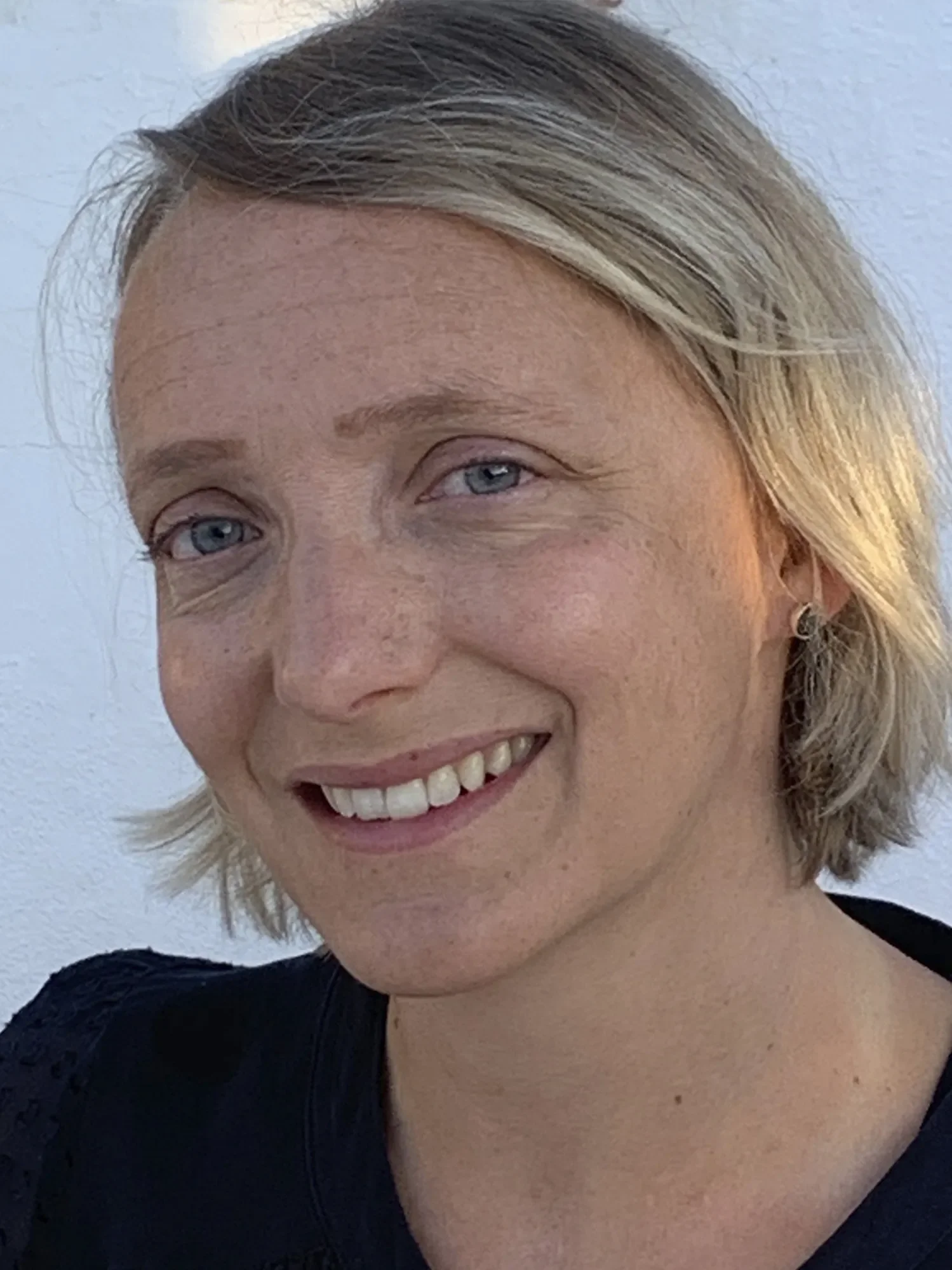
Katherine is an architect with extensive experience delivering projects across all work stages, particularly in publicly accountable contexts where design quality, regulatory frameworks and social responsibility must be carefully aligned. With over 25 years of practice across a wide range of scales and sectors, she brings strategic insight into client priorities, funding structures and delivery constraints.
Her approach is shaped by significant experience working within public-sector environments. As a Public Practice Associate, she was a Design Advisor at the London Legacy Development Corporation, working alongside planners and local authorities. This gave her first-hand insight into council processes, governance structures and decision-making frameworks, enabling her to act as an effective intermediary between clients, communities and institutions.
Katherine’s career spans healthcare, education and international development. As lead architect at the charity Article 25, she delivered community settlements, schools and organisational headquarters in Uganda, Sierra Leone and Mozambique, deepening her commitment to socially responsive, community-led models of development.
She is actively engaged in civic life in Exeter, where she is a member of Exeter Growers Cooperative and Exeter Civic Society. Drawing on her experience with the Hackney Society Planning Group, she contributes to discussions on local planning policy and development strategy, advocating for inclusive, context-sensitive growth.

richard m hadley
Director
Richard is an architect specialising in working with existing buildings, particularly in sensitive heritage and conservation contexts. He brings a deep understanding of historic fabric, regulatory frameworks and risk, guiding clients through complex processes to realise ambitious projects that respect and enhance heritage value.
His experience includes work on nationally significant listed buildings, where careful coordination between clients, conservation bodies and statutory authorities is essential. While at Fielden Mawson Architects in London, Richard worked on major refurbishment and upgrade projects including the Grade I listed Cabinet Office and the Palace of Westminster, part of a UNESCO World Heritage Site.
Richard combines this conservation expertise with a strong grasp of budgets, commercial realities and client priorities, developed through work on commercial projects at FSP Architects and bespoke residential projects in Northern Ireland. This allows him to balance design ambition with deliverability and long-term stewardship.
Alongside practice, Richard is committed to education and public service. He served for five years as Chair of Governors at Highbury Fields Girls’ School in Islington and continues as a school governor, supporting young people and educational communities.

pierluigi chinellato
Director
Pierluigi is a designer with extensive experience delivering high-quality, award-winning projects that combine architectural ambition with environmental performance and long-term adaptability. His work is characterised by a strong design sensibility grounded in material intelligence, reuse and low-carbon construction.
Educated in Venice and London, Pierluigi’s approach has been shaped by both artistic and technical traditions. As an Associate and Design Director at Sheppard Robson, he led complex projects including major education buildings and large-scale urban reuse schemes. These include pioneering timber buildings for Waingels Secondary School, landmark adaptations of listed buildings for London Business School, and mixed-use reuse projects for the Crown Estate on Regent Street.
Pierluigi has also been at the forefront of sustainable innovation. He worked on The Lighthouse, one of the UK’s earliest zero-carbon housing prototypes, which helped influence future energy standards and policy by demonstrating the feasibility of net-zero operational performance.
Earlier in his career, he contributed to competition-winning projects with leading architects including Marco Venturi and Aldo Rossi. Alongside practice, he has taught at the University of Venice, sharing his expertise in design thinking, sustainability and architectural craft.