seeD
As architects we are accountable for the impact of our projects on the communities and the environment within which we work. We understand sustainability not as a single performance target, but as an integrated approach that supports people, places, and the planet over the long term.
Our work responds to climate change, resource use, and social wellbeing through both our architectural projects and our day-to-day operations. Sustainability informs our decisions from early briefing and engagement through design, construction, and long-term use.
We view sustainability as a balance between environmental responsibility, social value, and long-term performance.
What is seed
Energy
Establish key design priorities that reduce energy requirement impact and based on FABRIC FIRST. Minimise energy demand through passive design, efficient systems, and performance optimisation.
SEED is the framework we use to guide decisions across our projects and practice, ensuring social justice and environmental responsibility are considered together.
De-carbon !
Decarbonise both operational and embodied emissions, with emphasis on low-carbon materials and circular construction..
Social
Everything we do is built around understanding of social awareness impact. Promotion of social sustainability, including health, wellbeing, equity, and community outcomes.
Environmental
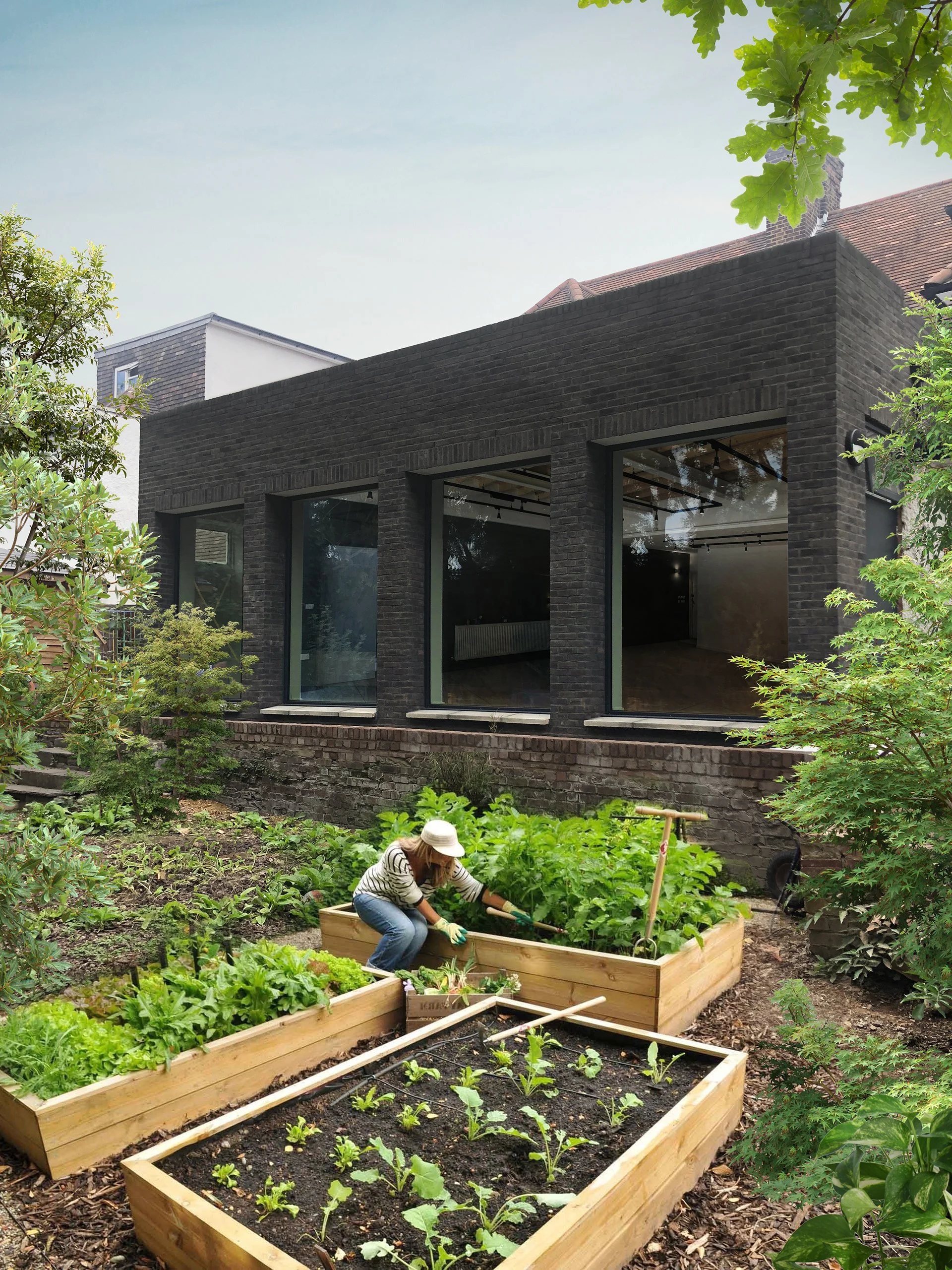
Integrate environmental design priorities that minimise ecological impact, resource depletion, and environmental harm

social values
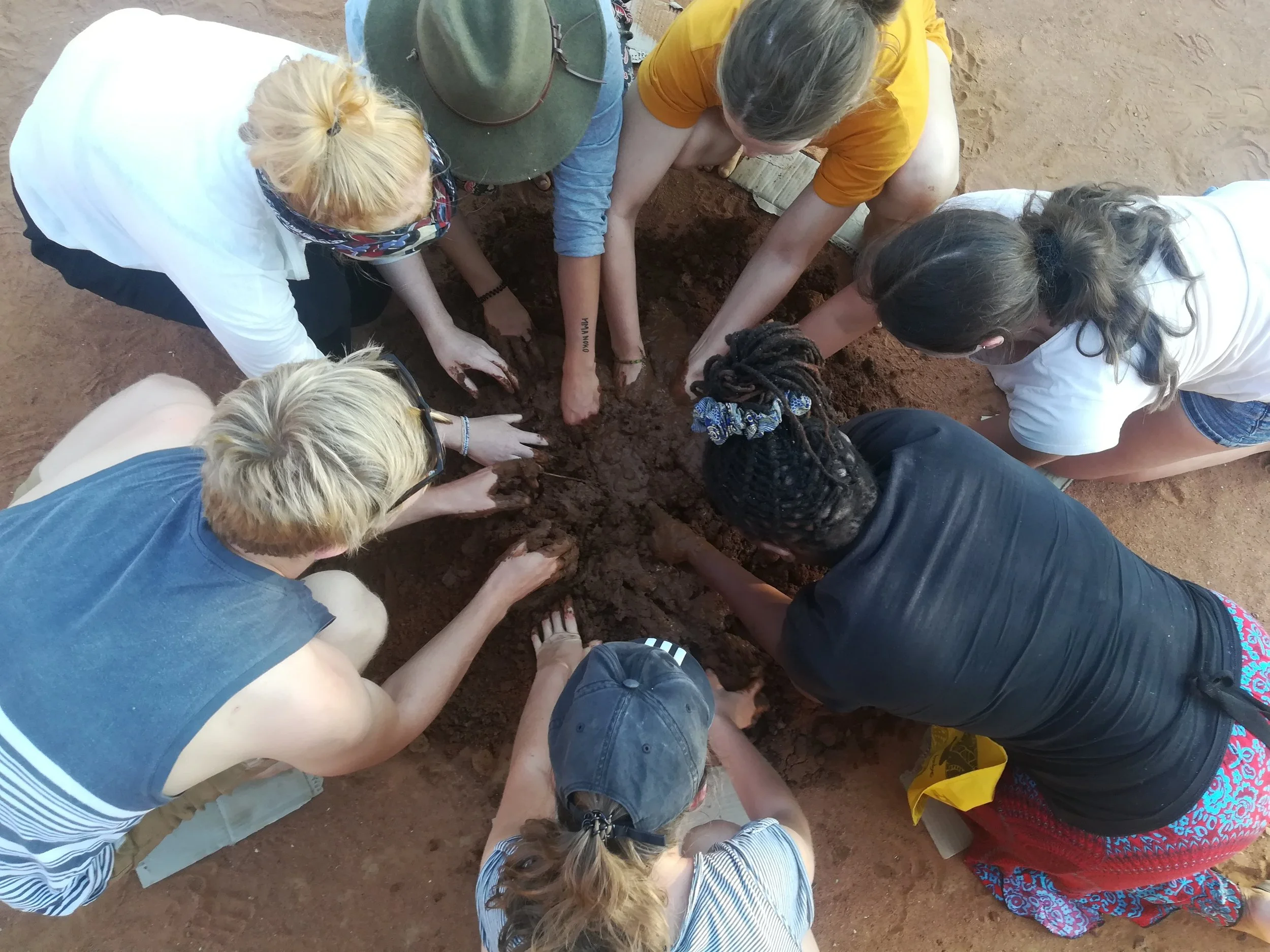
We understand sustainability to be inseparable from social equity, health and wellbeing. Our work prioritises people: those who use buildings, those affected by development, and those involved in making decisions.
We design participatory processes that give communities a meaningful voice, create inclusive and dignified places, and support long-term social resilience.
Within our practice, we are committed to fair, supportive and flexible ways of working, and to widening access to the profession.
Our studio at Old St Leonard’s Hall reflects this approach, operating not only as a workplace but as a shared community resource that fosters connection and collective ownership.
ENVIRONMENTAL
We take a place-based approach to environmental sustainability, responding to local climate, ecology and context. This means prioritising reuse and retrofit over demolition, designing with an understanding of biodiversity and landscape, and supporting climate resilience at building and neighbourhood scale.
We favour low-impact materials, circular economy principles and reduced waste, and we seek to minimise environmental harm through both design decisions and everyday practice.
Environmental responsibility is embedded in how we work, not treated as an add-on.
energy
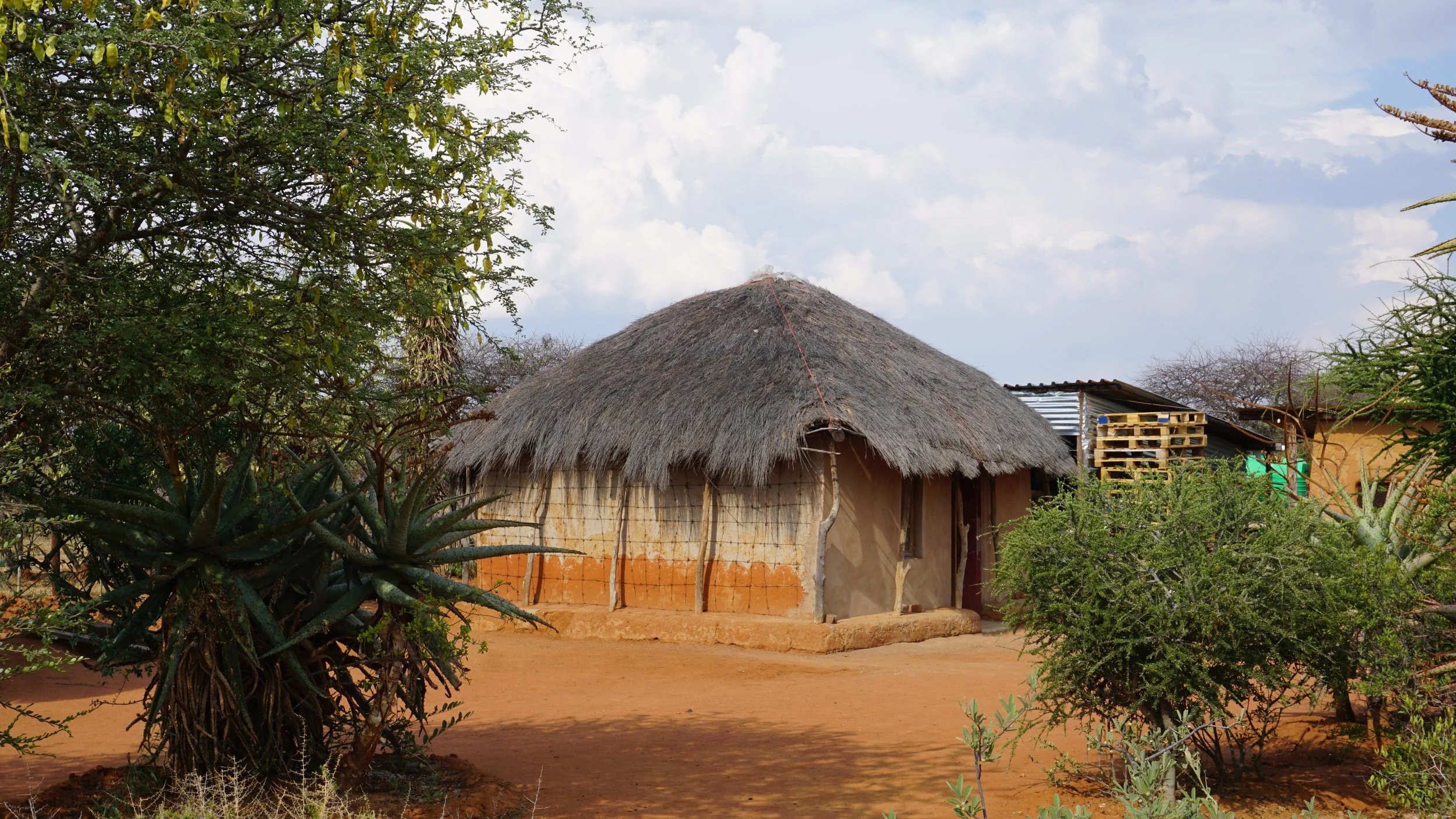
Reducing energy demand in use is a fundamental part of our sustainability approach.
We prioritise fabric-first design, passive strategies and efficient systems to create buildings that are comfortable, robust and affordable to run.
Our focus is on long-term performance rather than short-term compliance, designing for real patterns of use rather than idealised models.
Our own adaptation of Old St Leonard’s Hall demonstrates how low operational energy use can be achieved through careful upgrade and extended, shared use — even within a heritage building.
de-carbon !
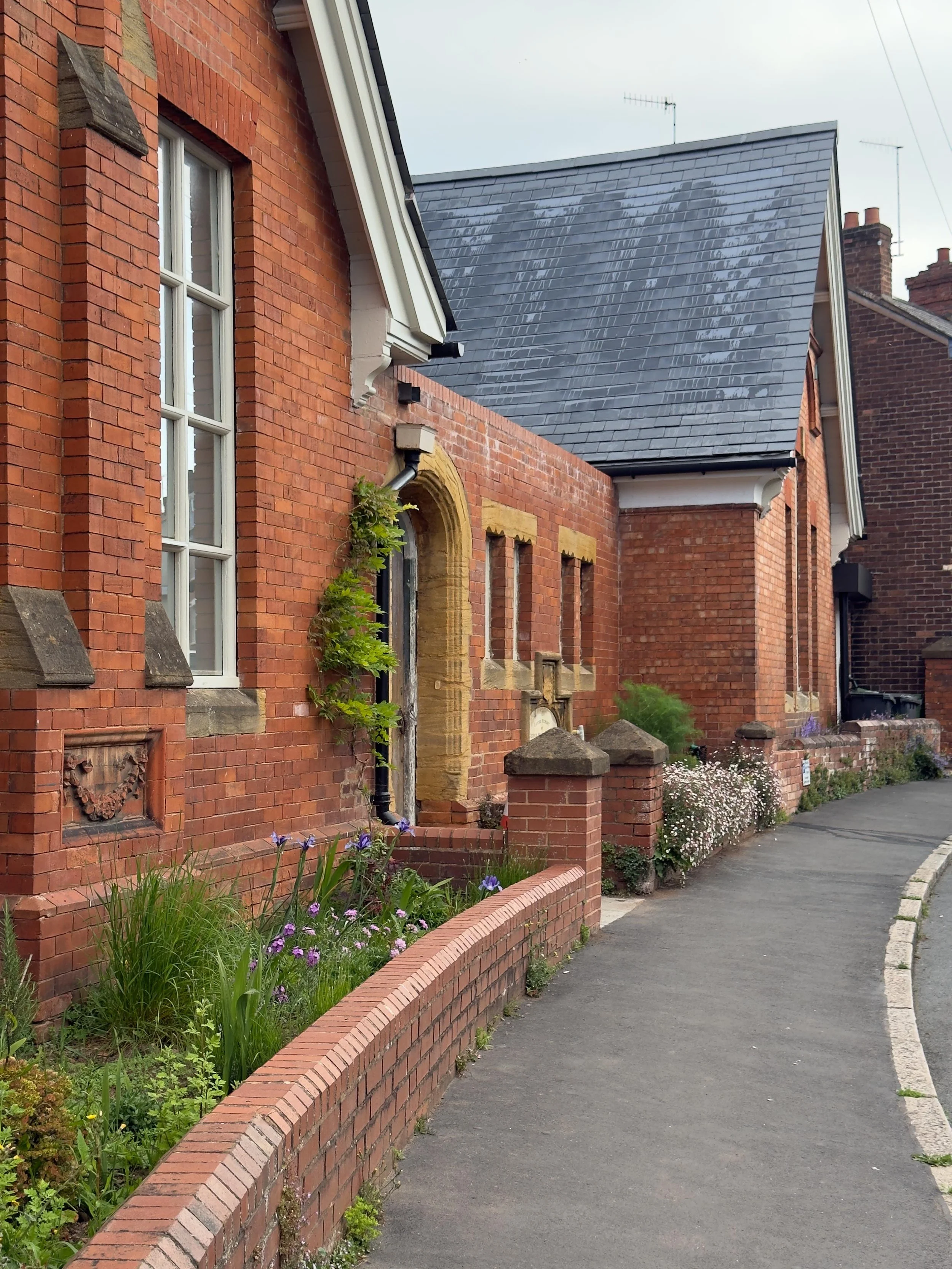
We recognise the urgent need to reduce both operational and embodied carbon across the built environment. Wherever possible, we advocate for retaining and adapting existing buildings as the most effective way to minimise embodied carbon.
When new construction is required, we carefully consider material choice, construction methods and longevity.
As a small practice, we aim to lead by example: making evidence-based decisions, reducing our own carbon footprint, and sharing learning openly to support wider industry change.
Download our office Sustainability Policy
Let’s Work Together
If you're interested in working with us, complete the form with a few details about your exciting project.