Housing for a Changing Planet
Citizen Architects favour long-term partnerships over short-term interventions, and reciprocal exchange over “skills transfer”. Our teaching reflects these values, positioning architectural education as a form of collective action embedded in real social, institutional and environmental contexts.
Housing in Botswana is an ongoing teaching and research collaboration that explores how architectural education can support more just and climate-resilient forms of urbanisation. It prepares students for the international cooperation their generation will require to address housing inequality, climate change and biodiversity loss - challenges to which the built environment is a major contributor.
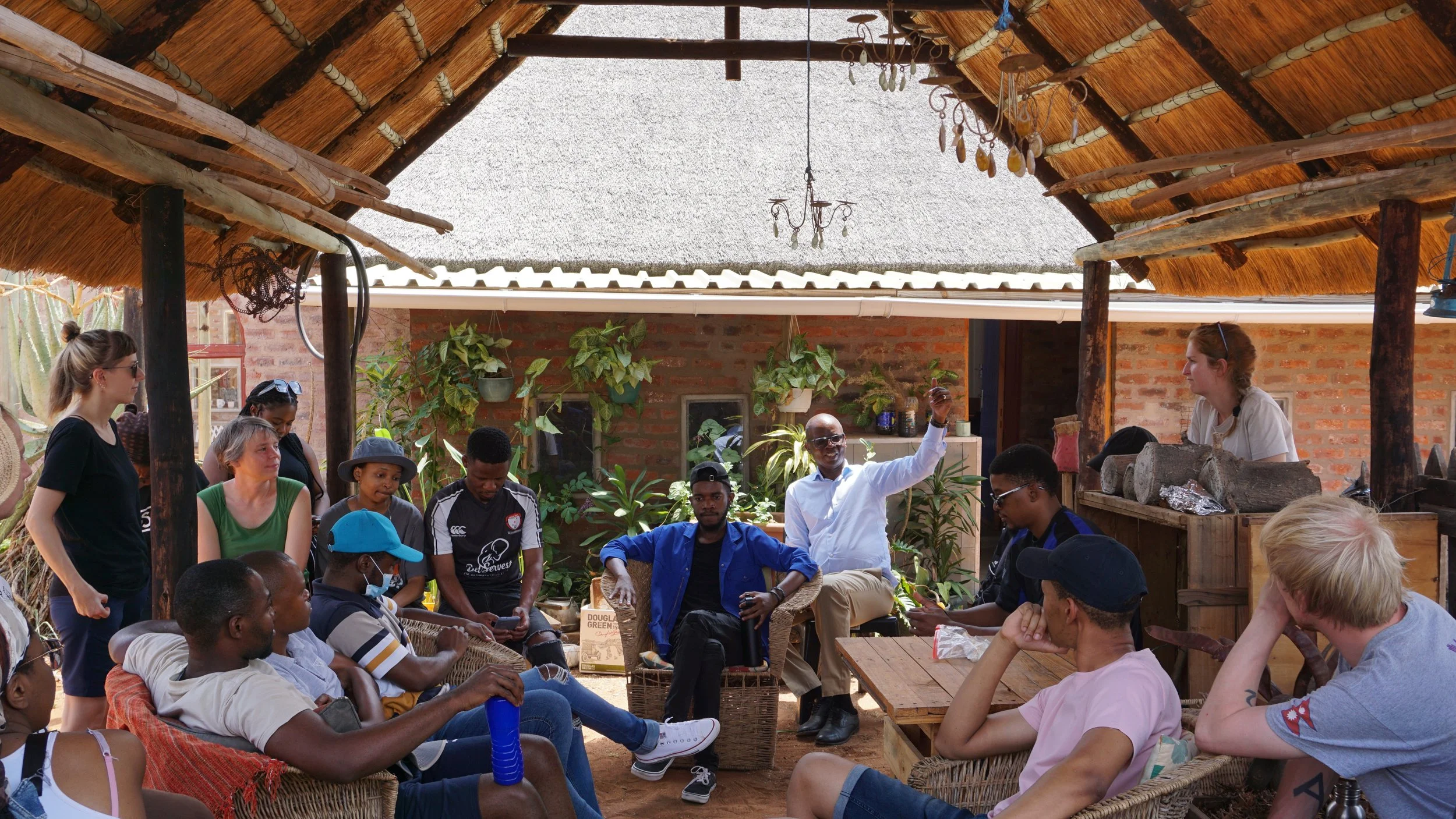
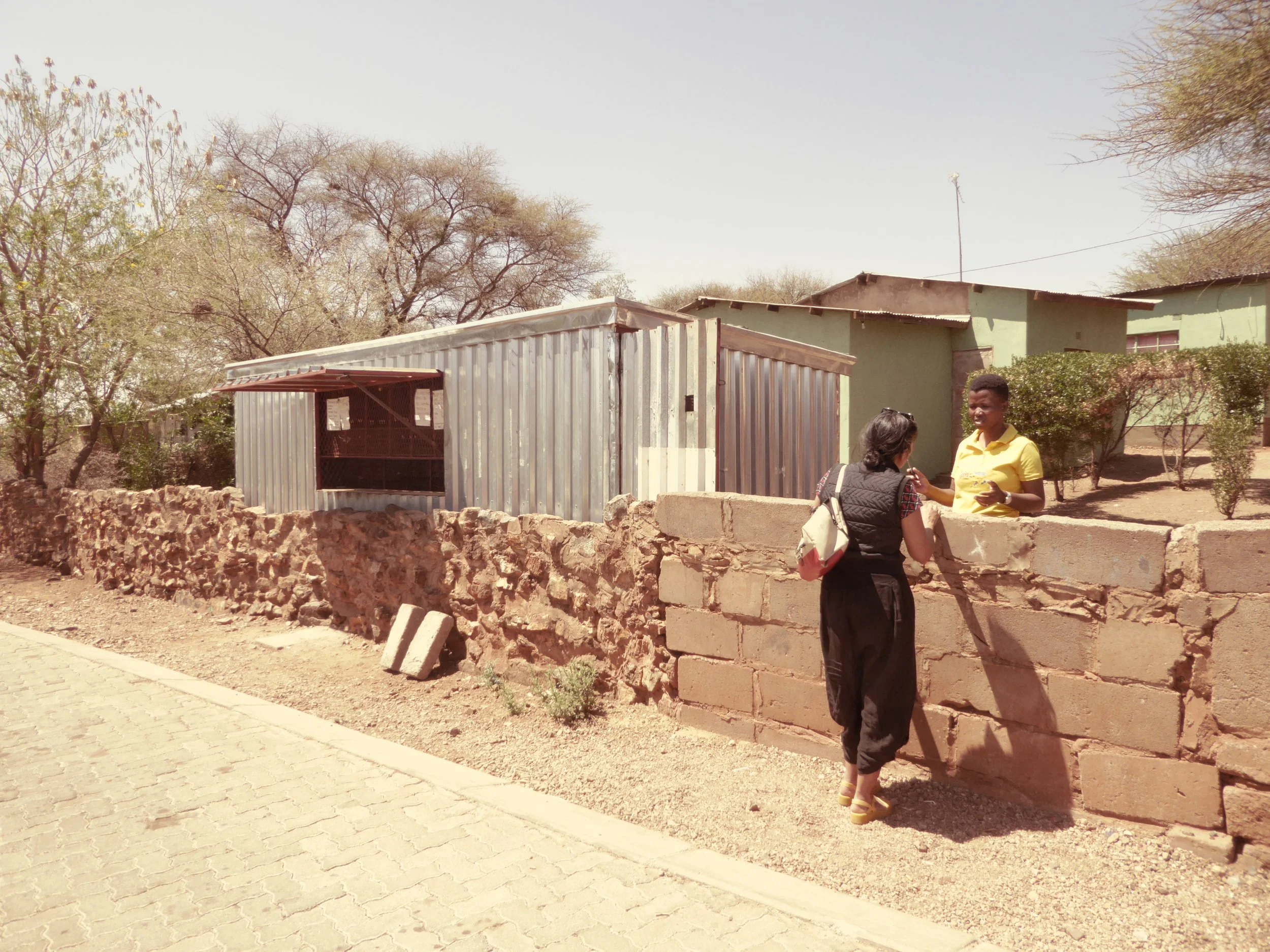
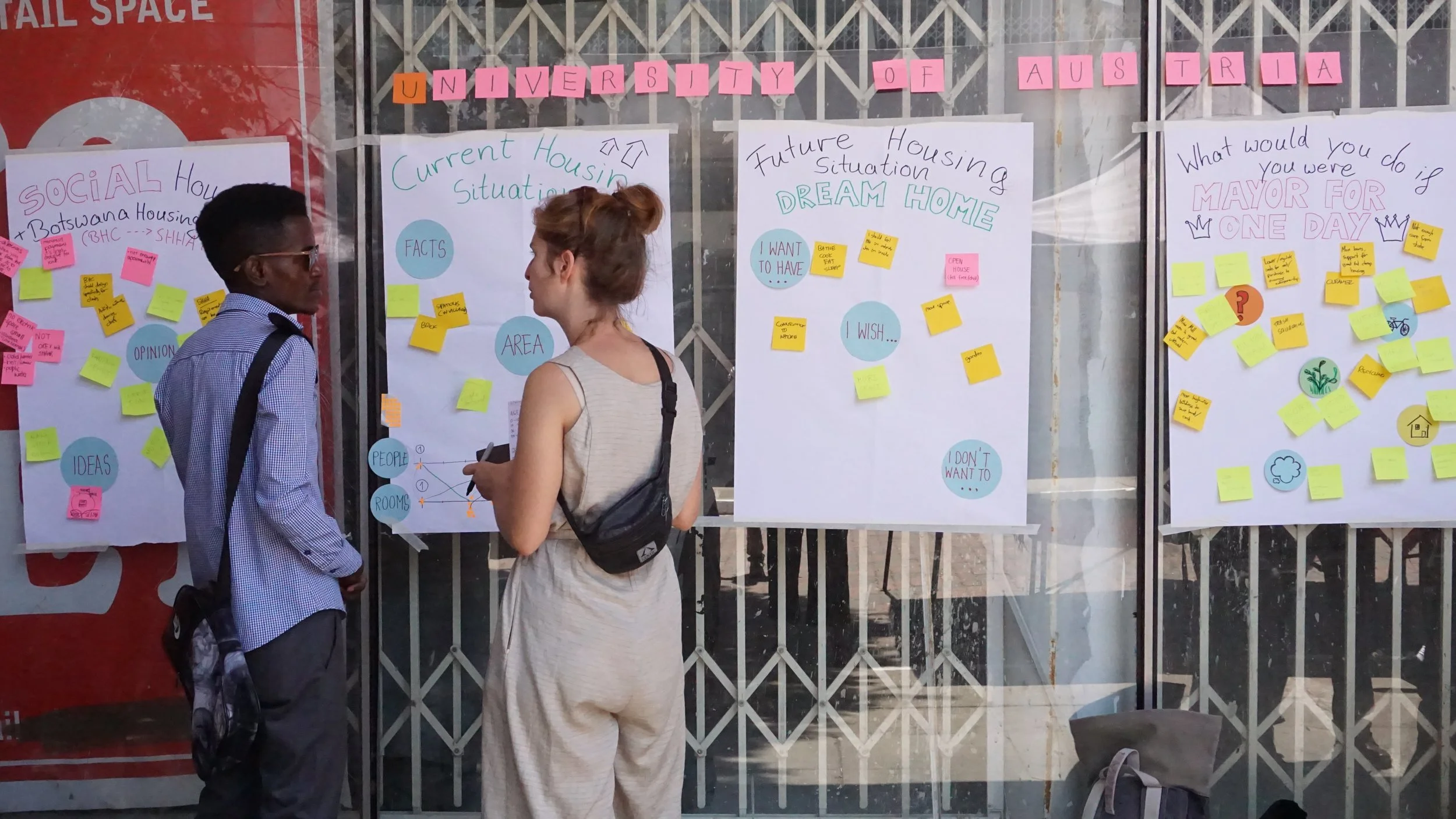
The project brings together BASEhabitat at the Arts University Linz, the Department of Architecture at the University of Botswana (UB), and the Botswana Housing Corporation (BHC), a parastatal body responsible for affordable housing delivery. A Master’s-level design module acts as a catalyst, leveraging academic resources to create sustained exchange between universities, public institutions and local building cultures.
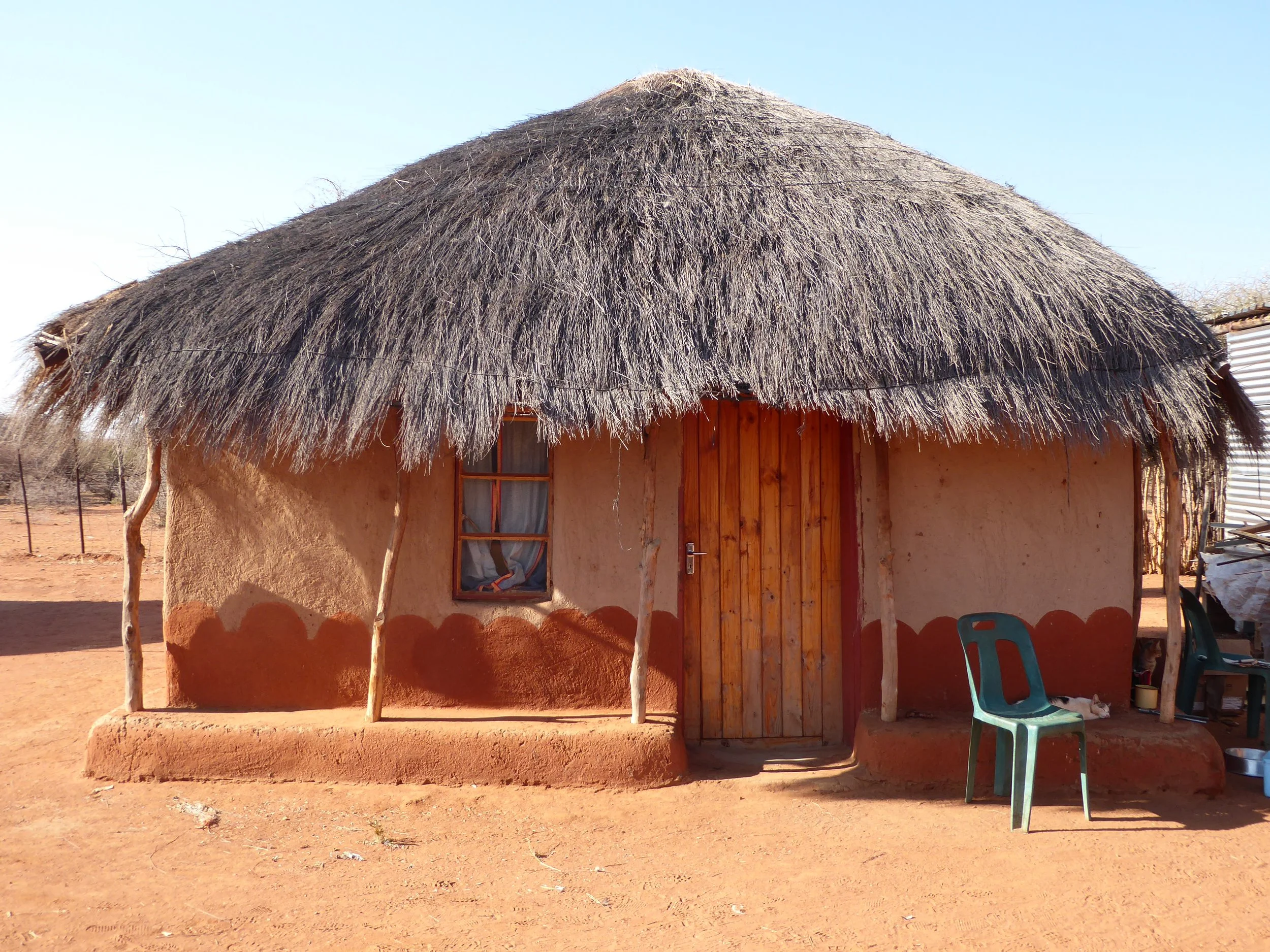
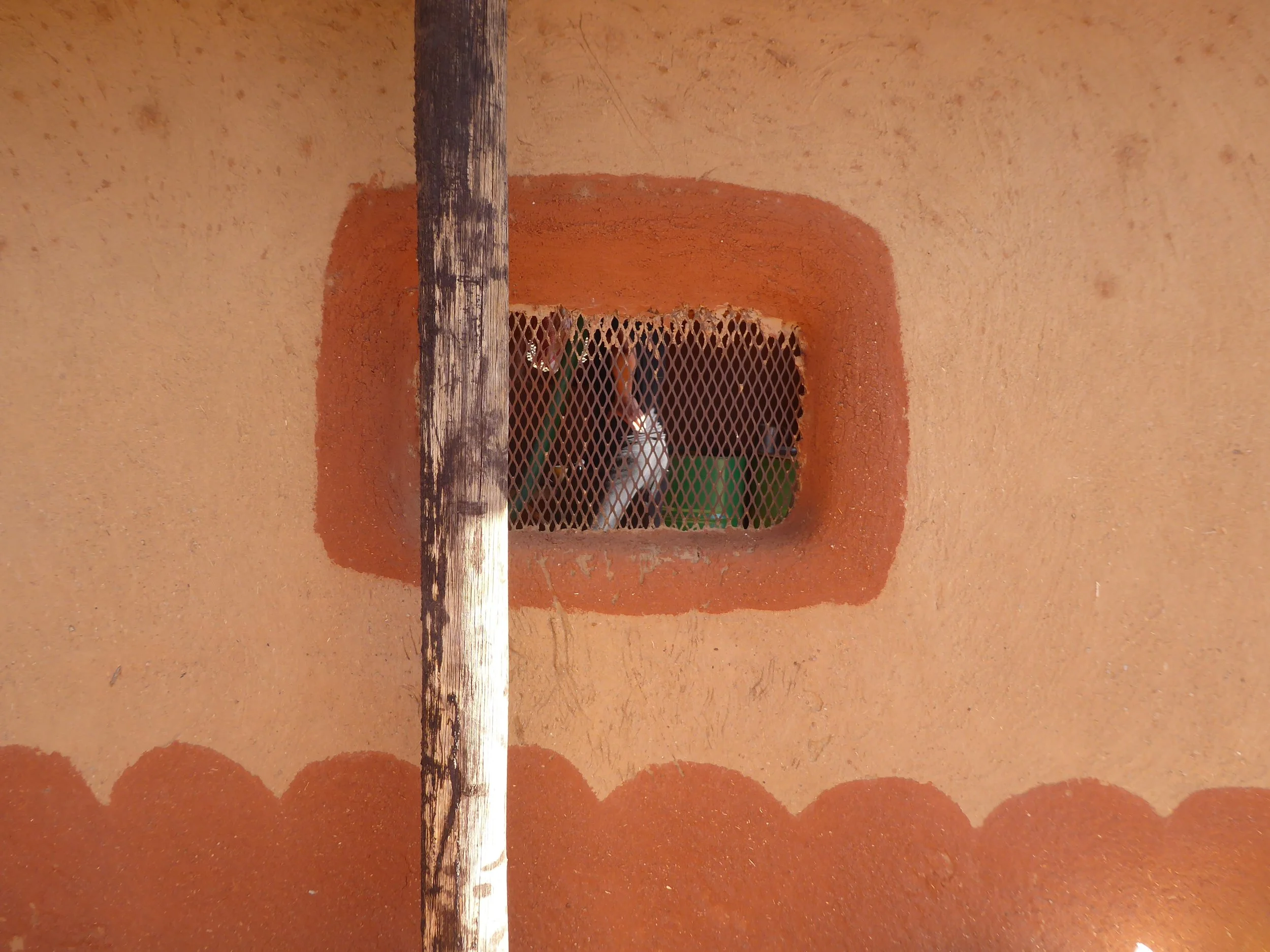
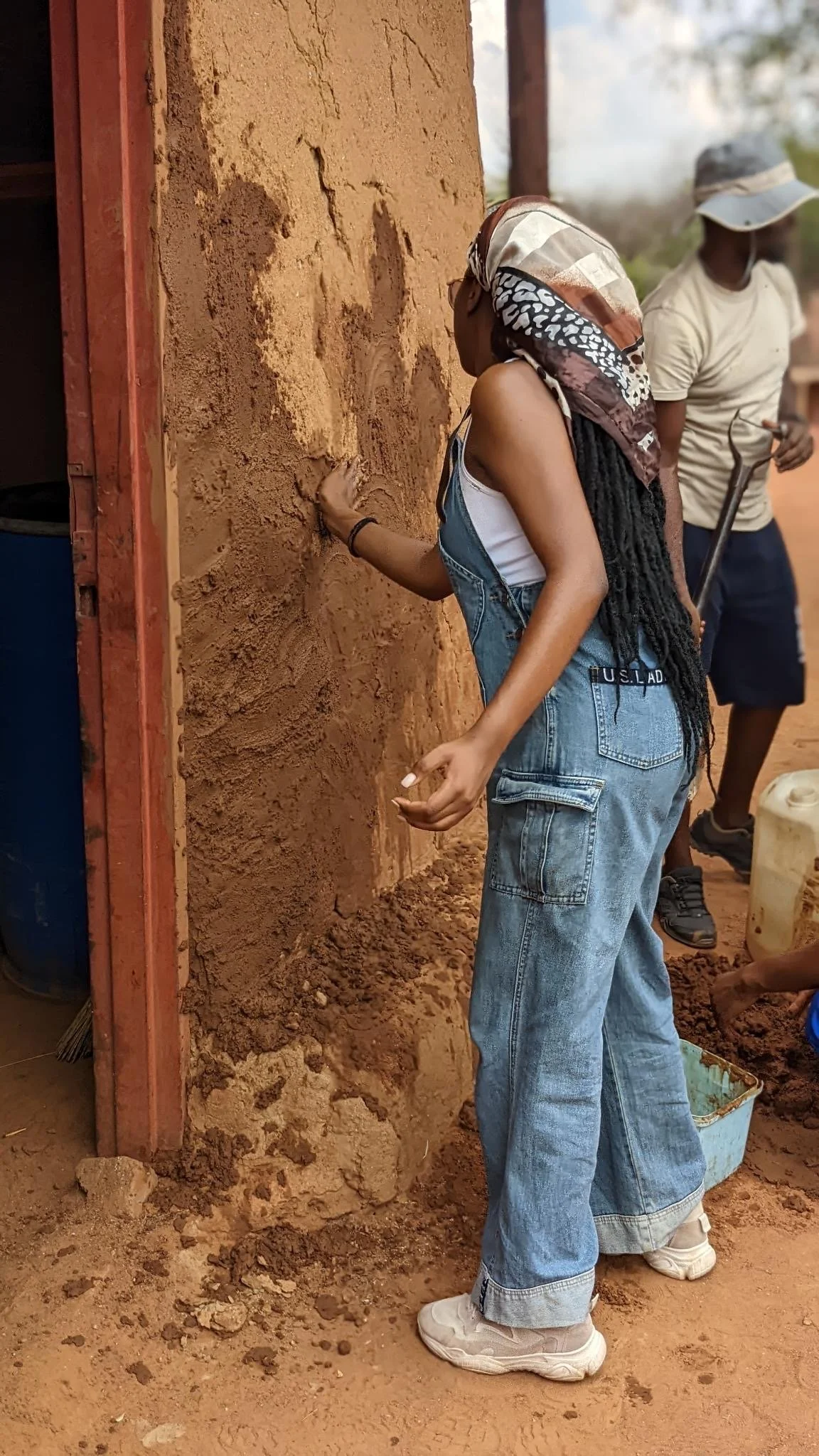
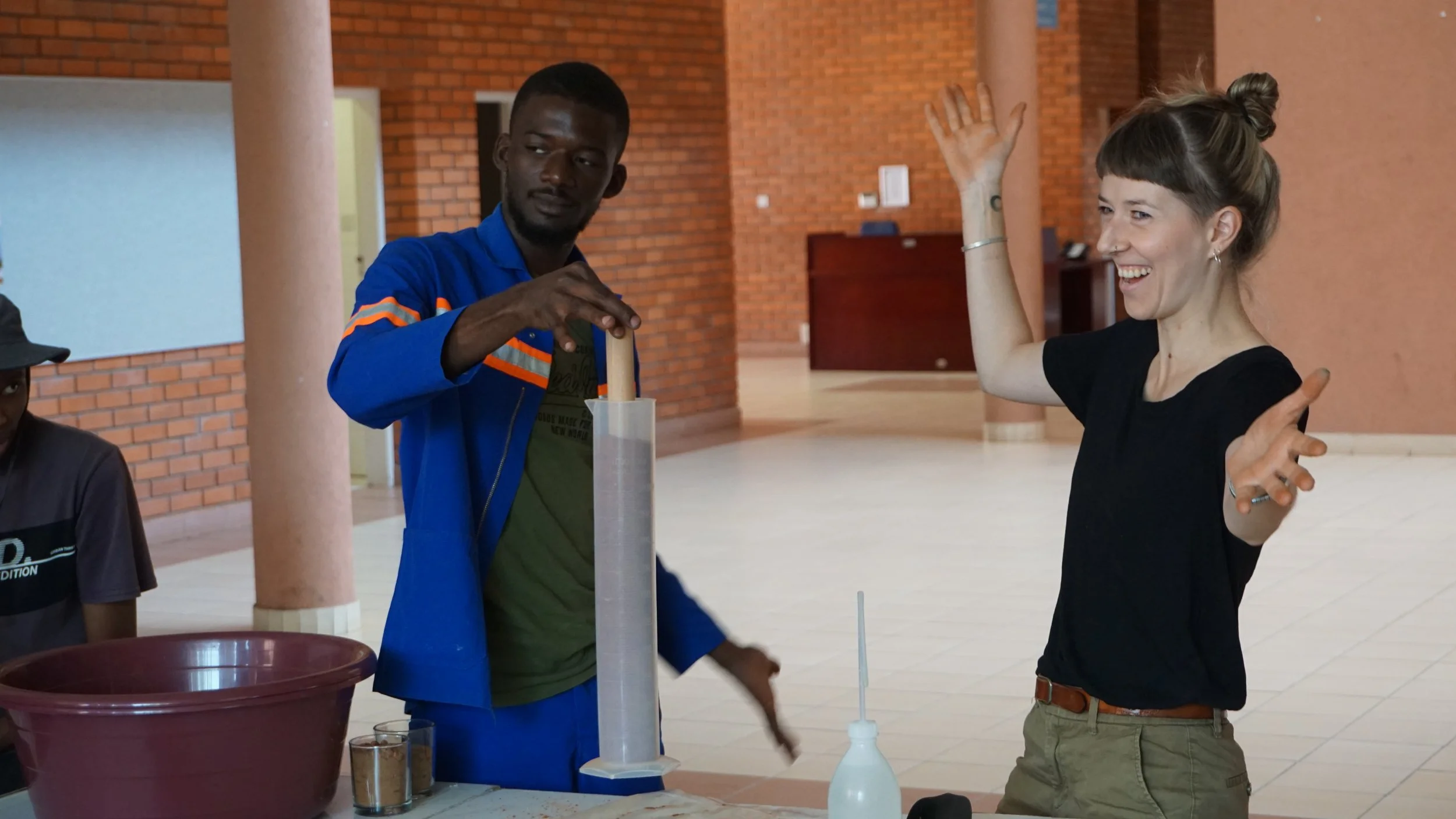
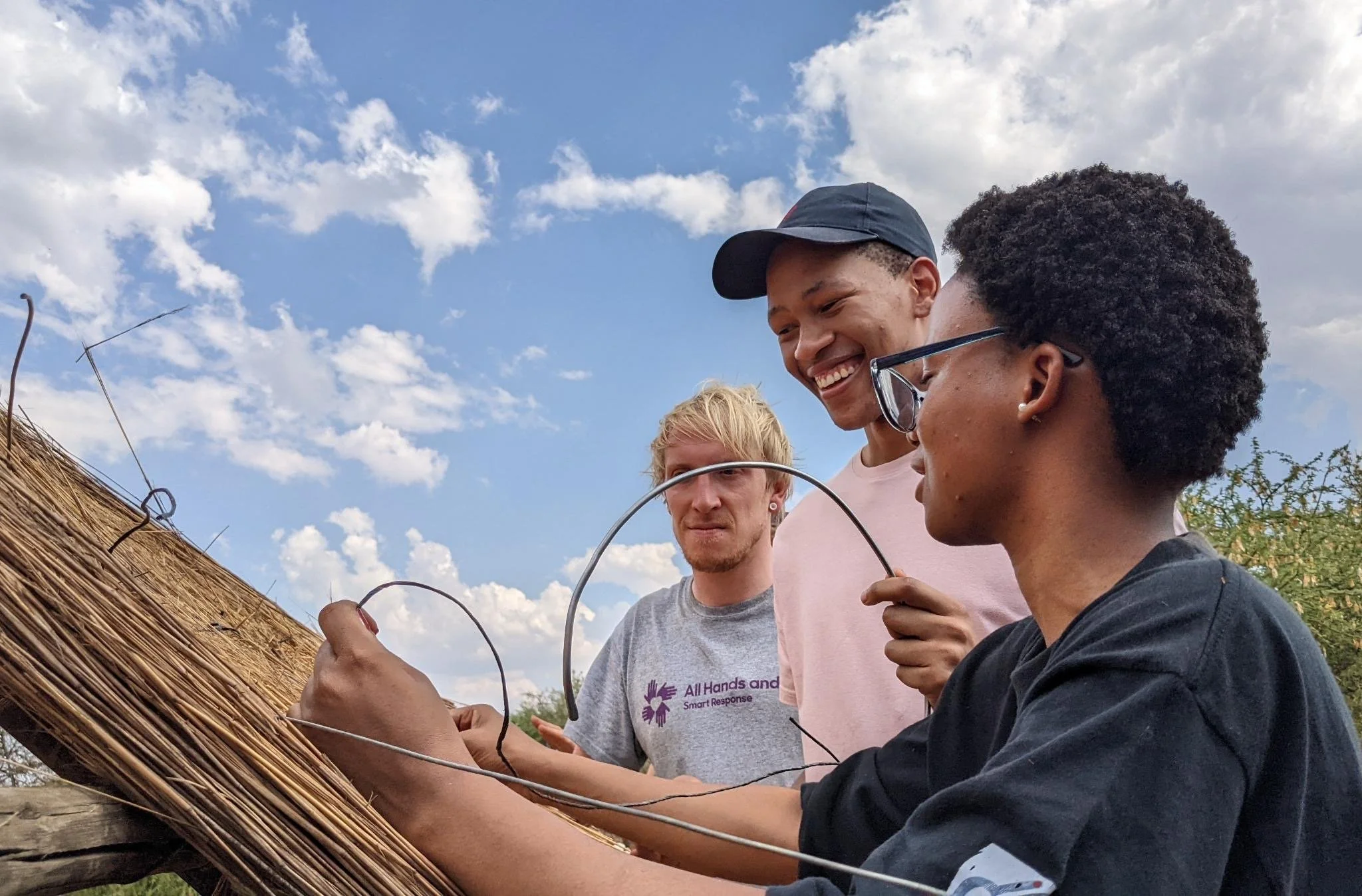
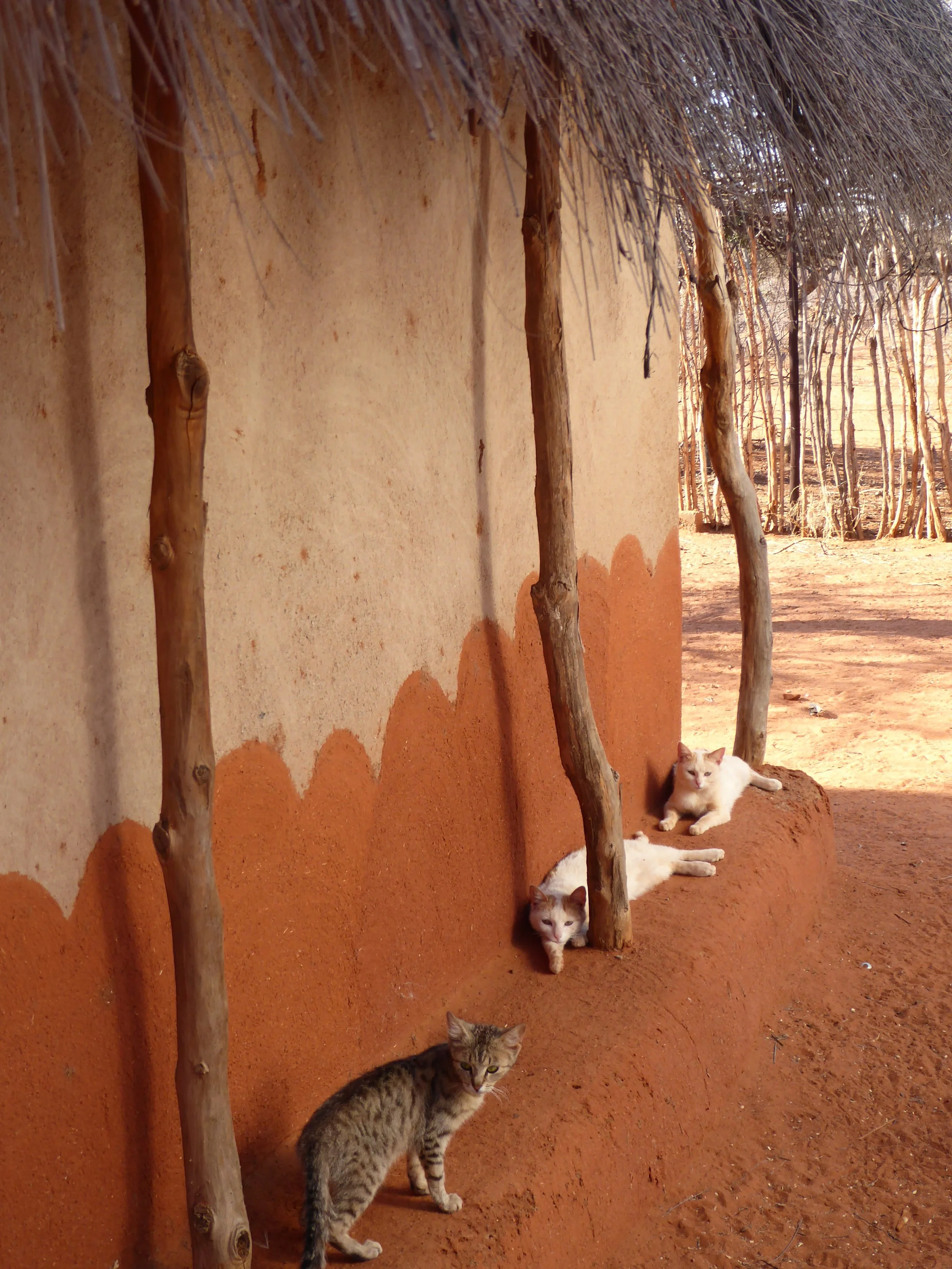
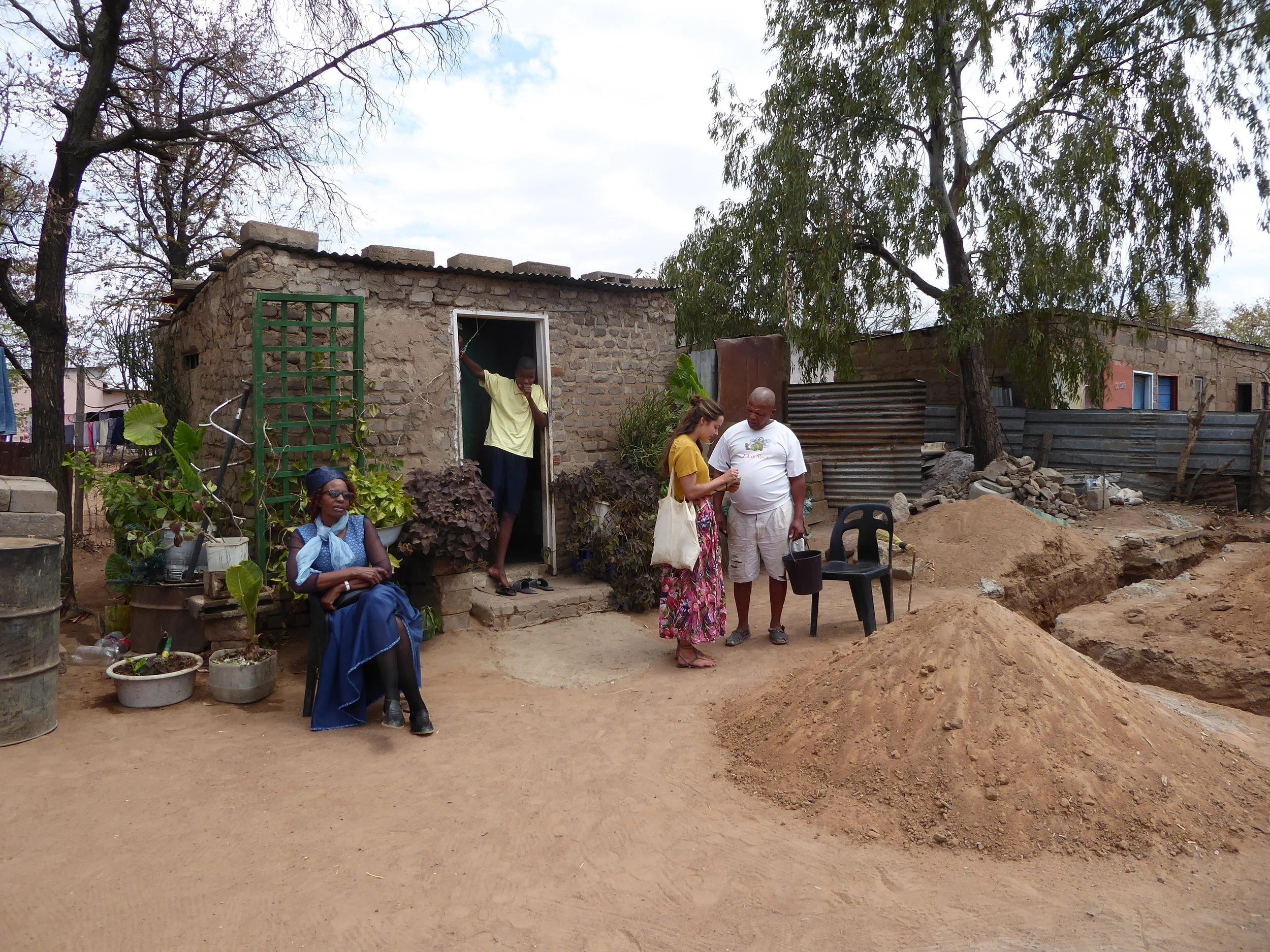
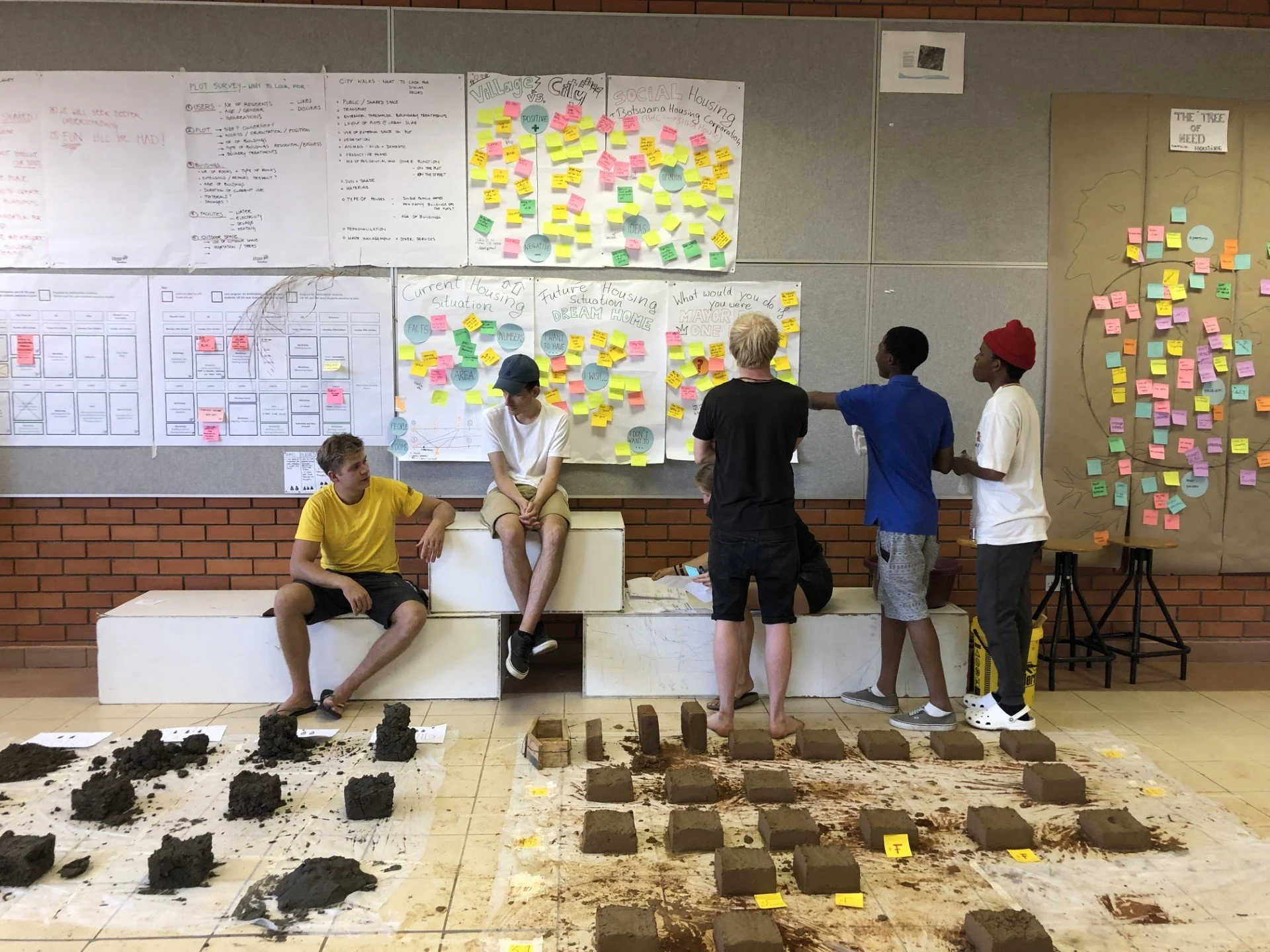
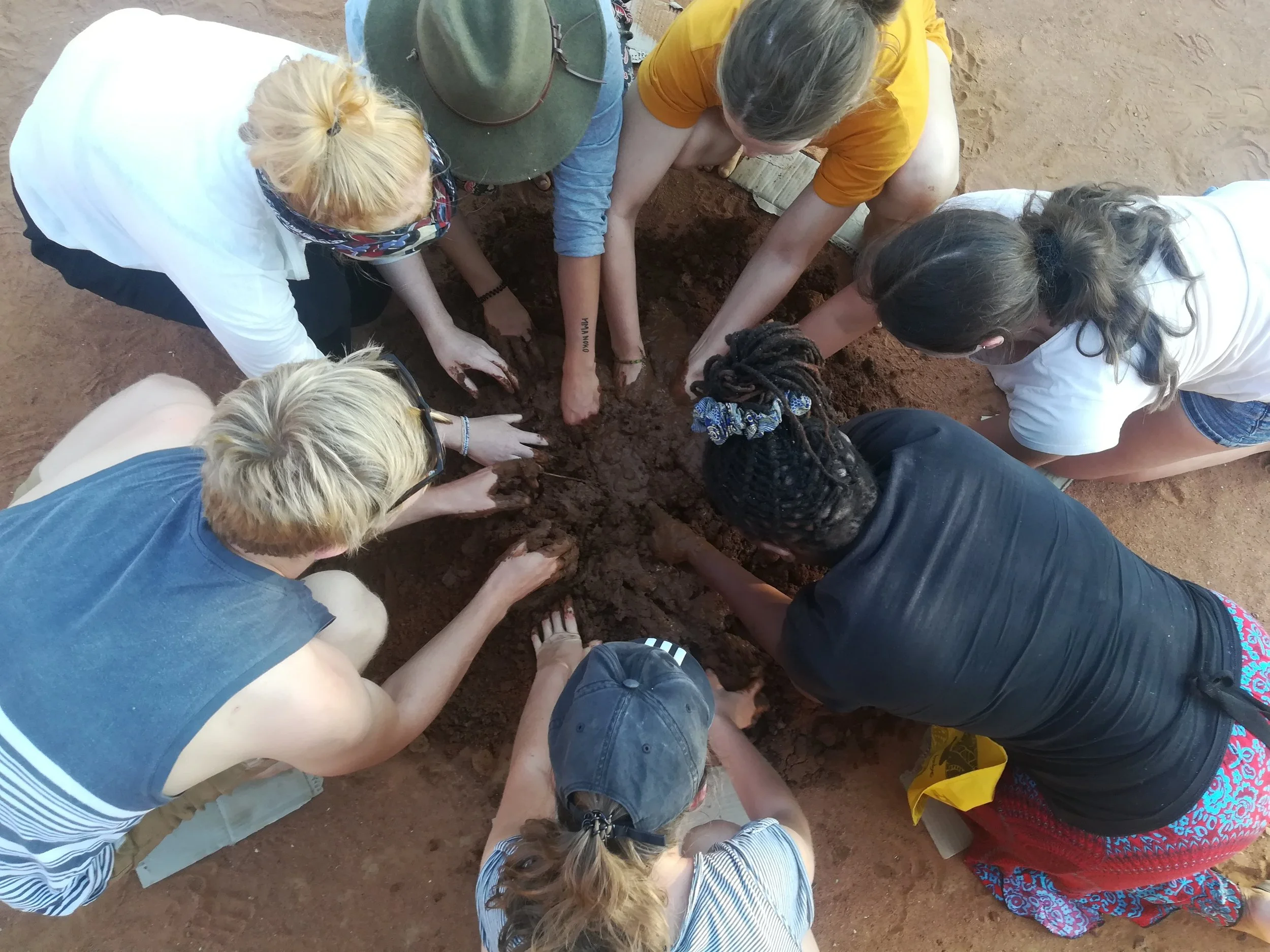
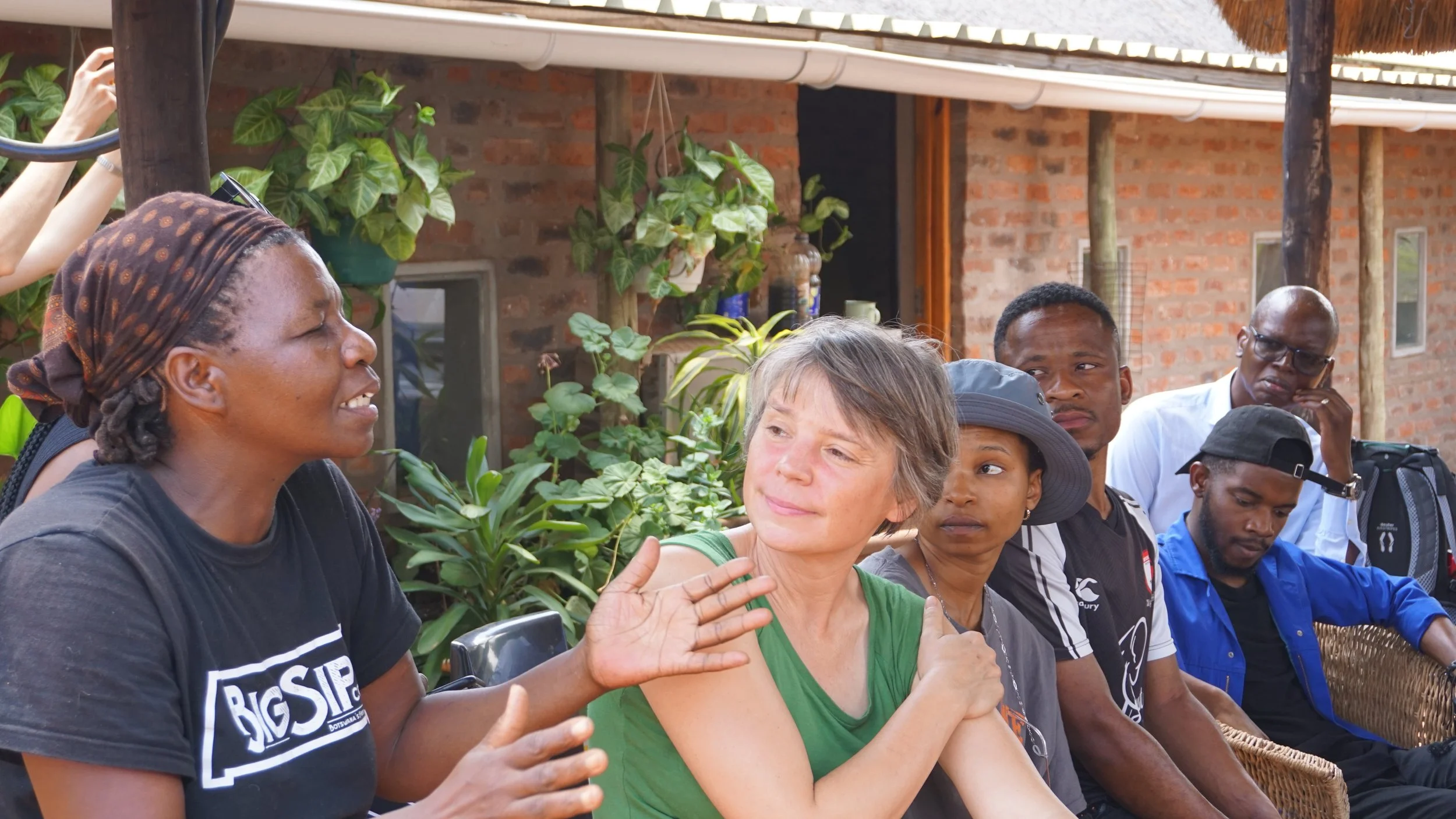
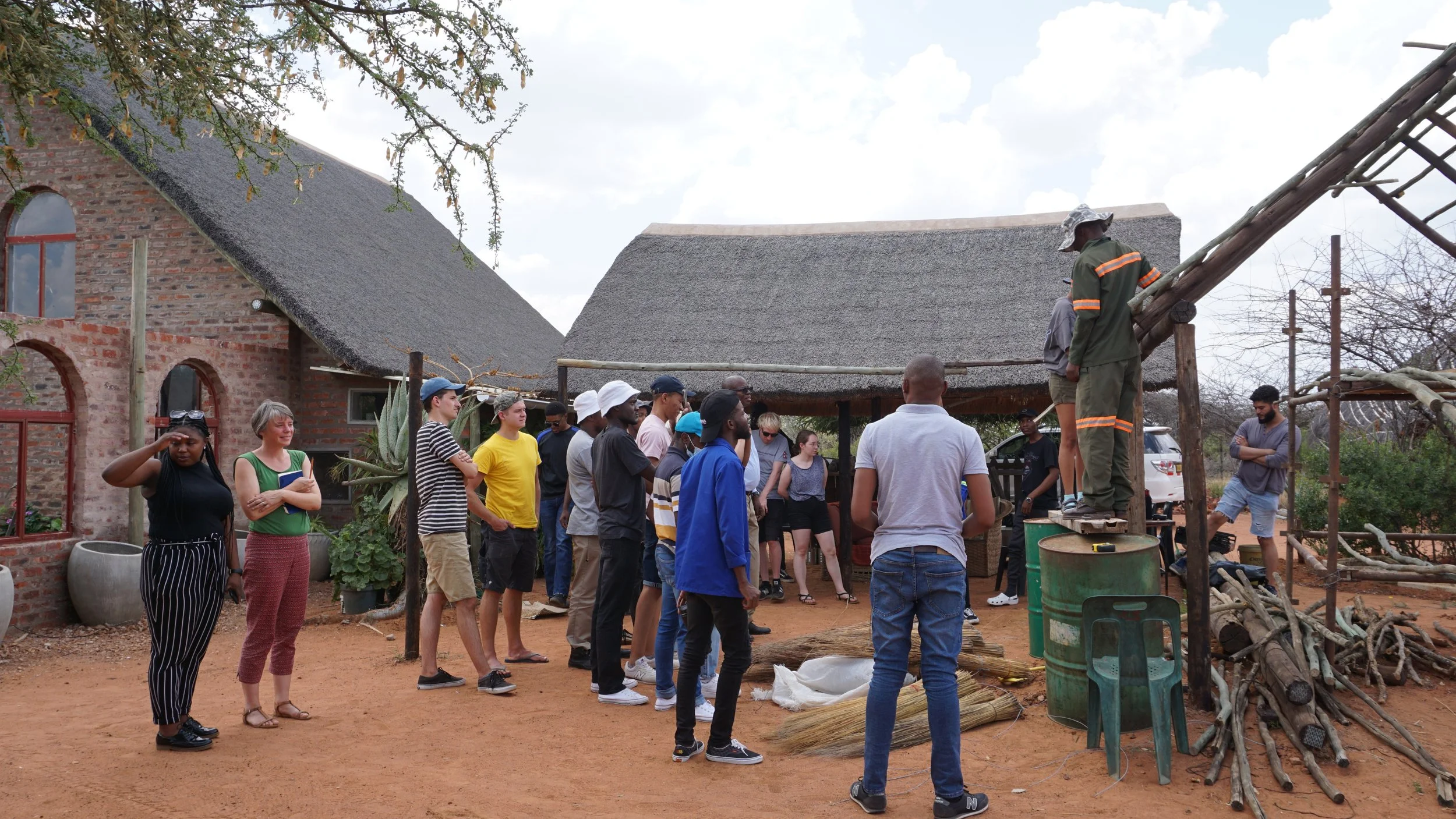
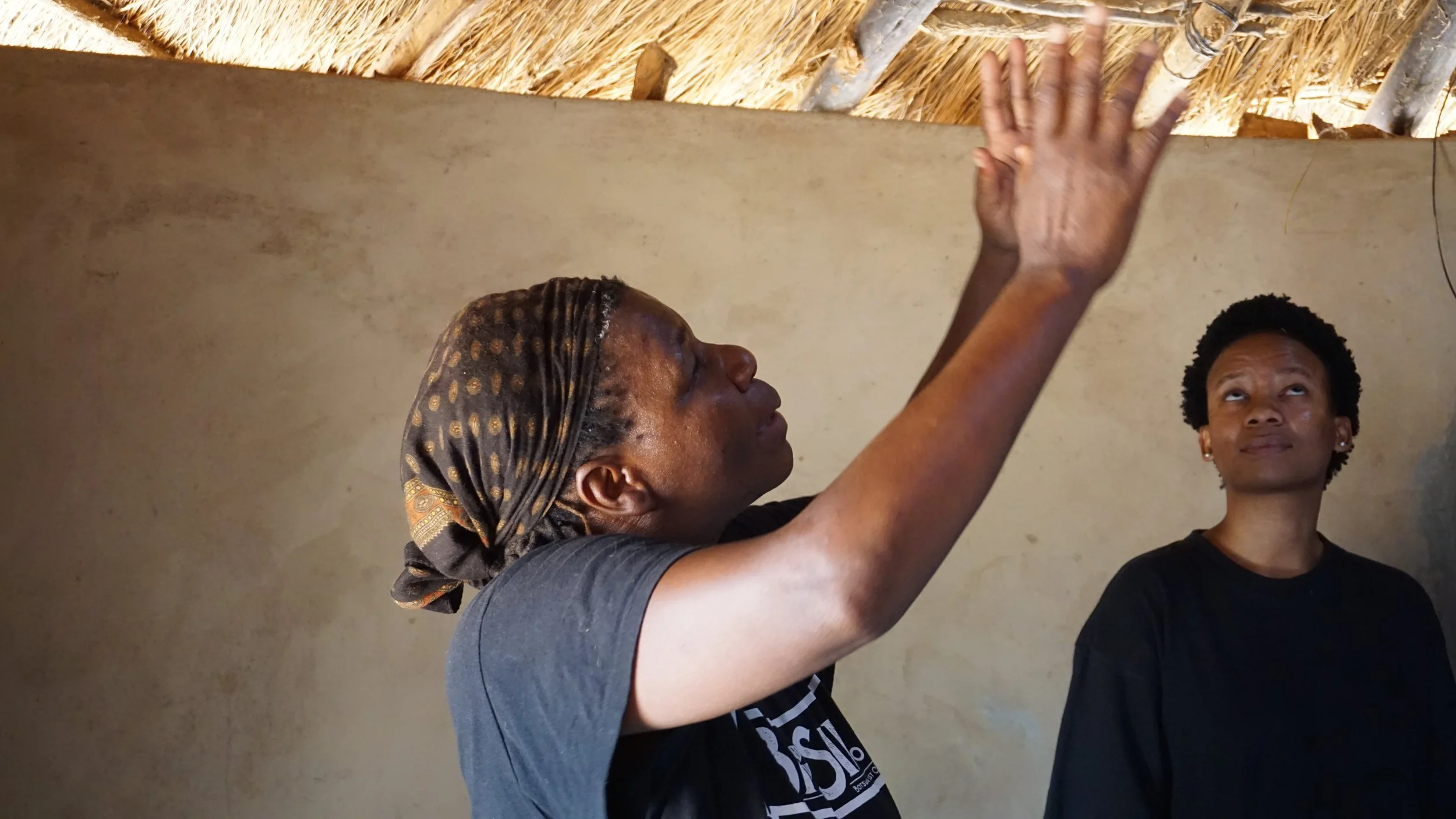
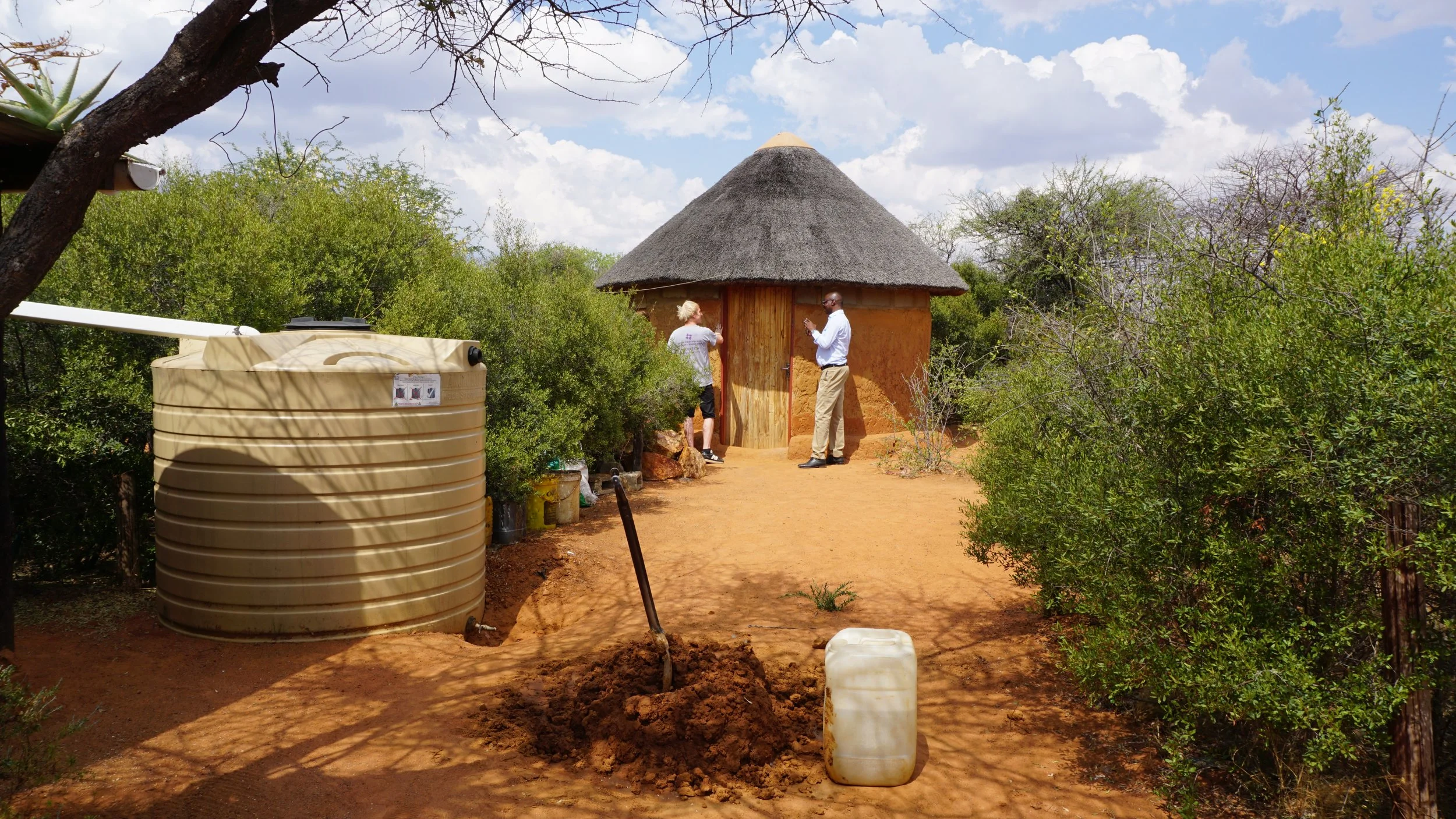
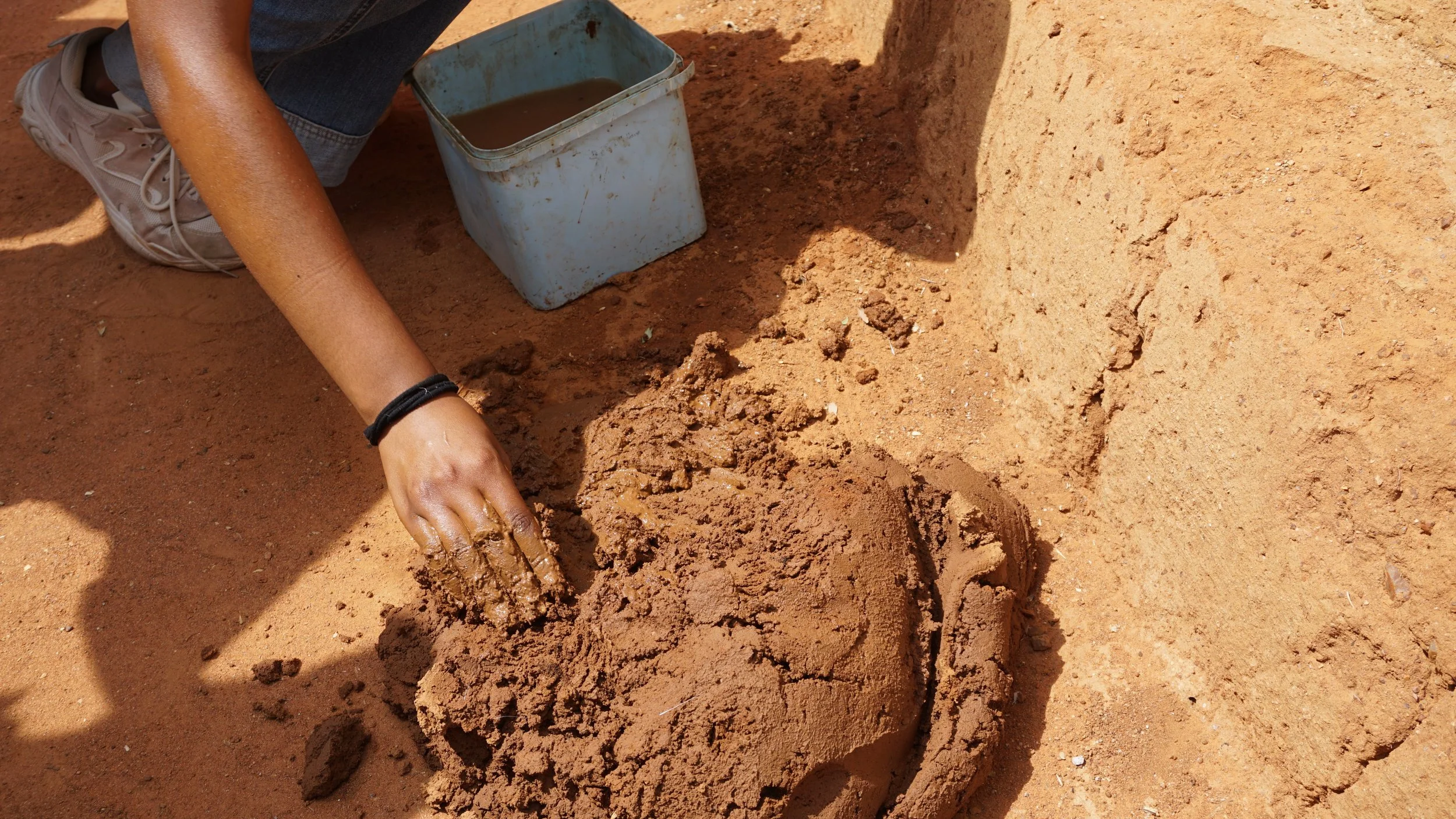
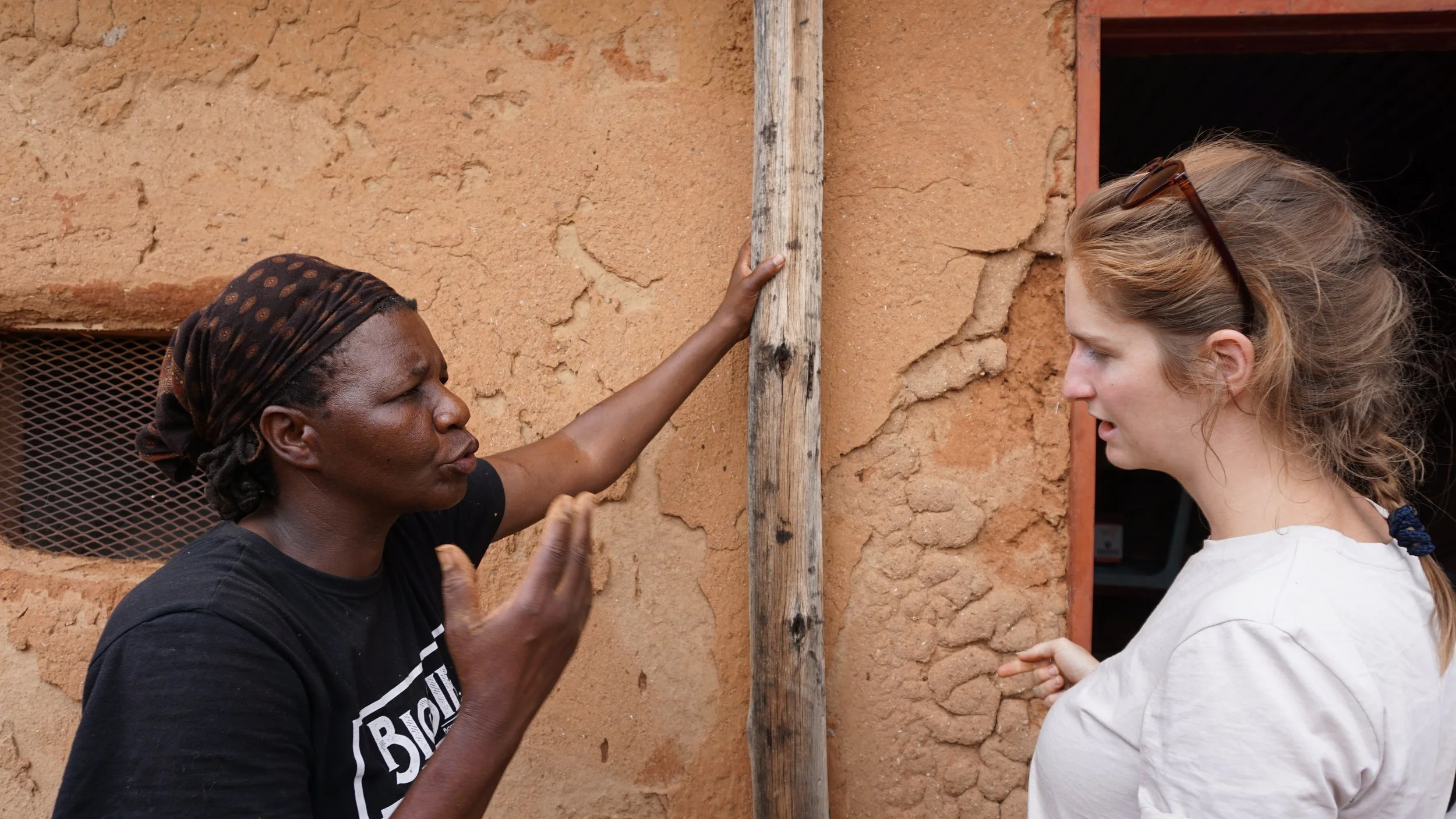
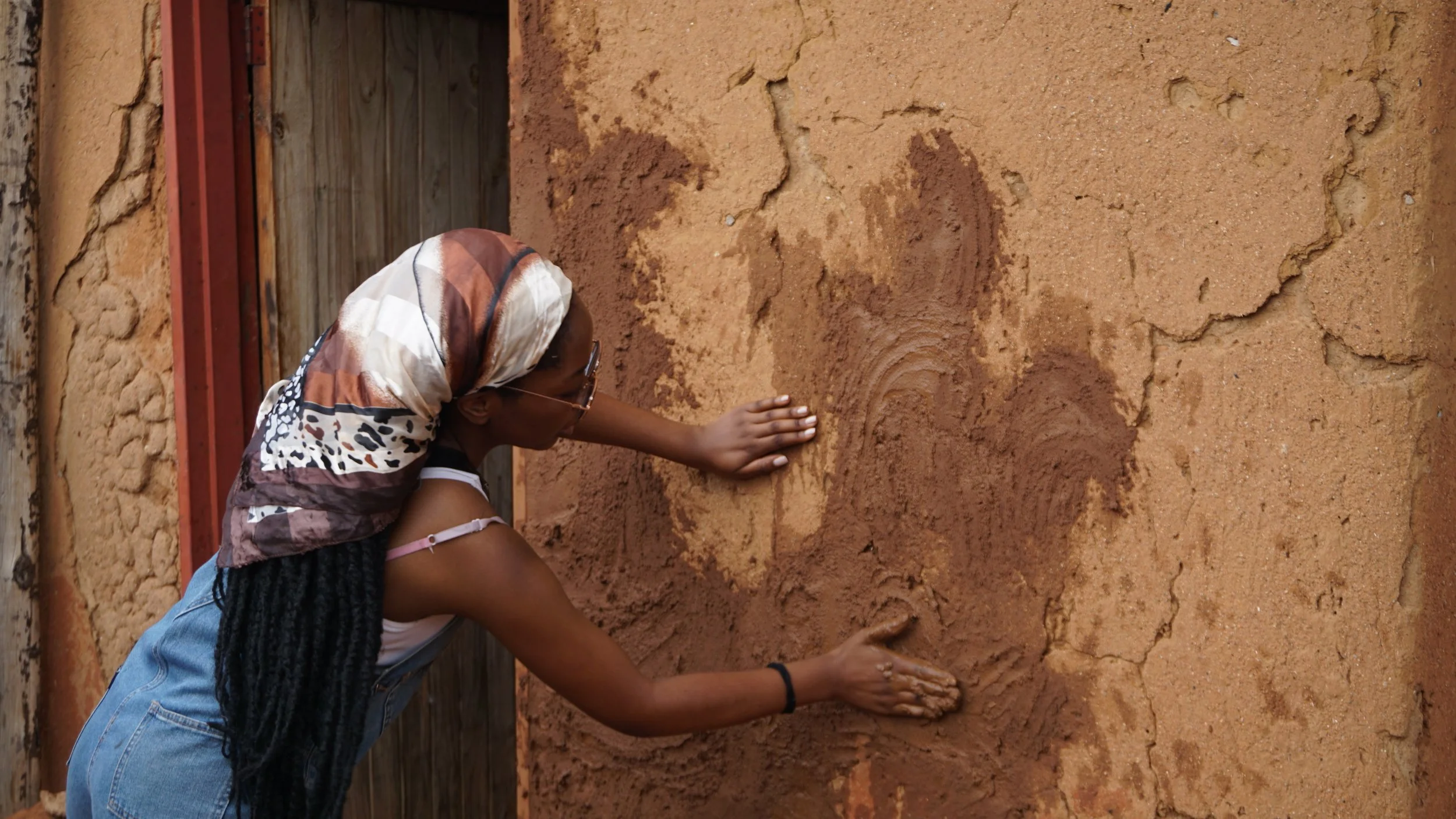
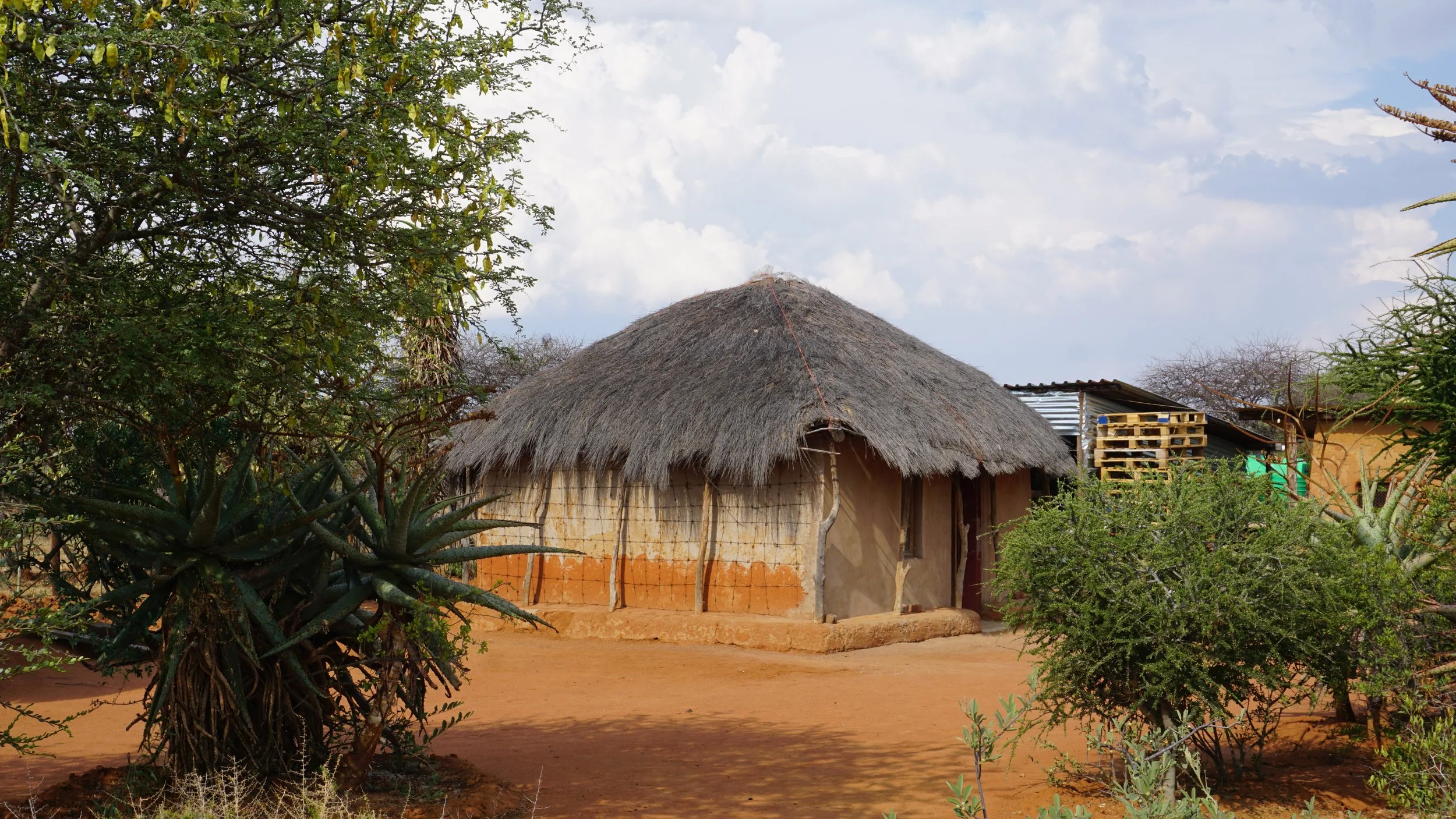
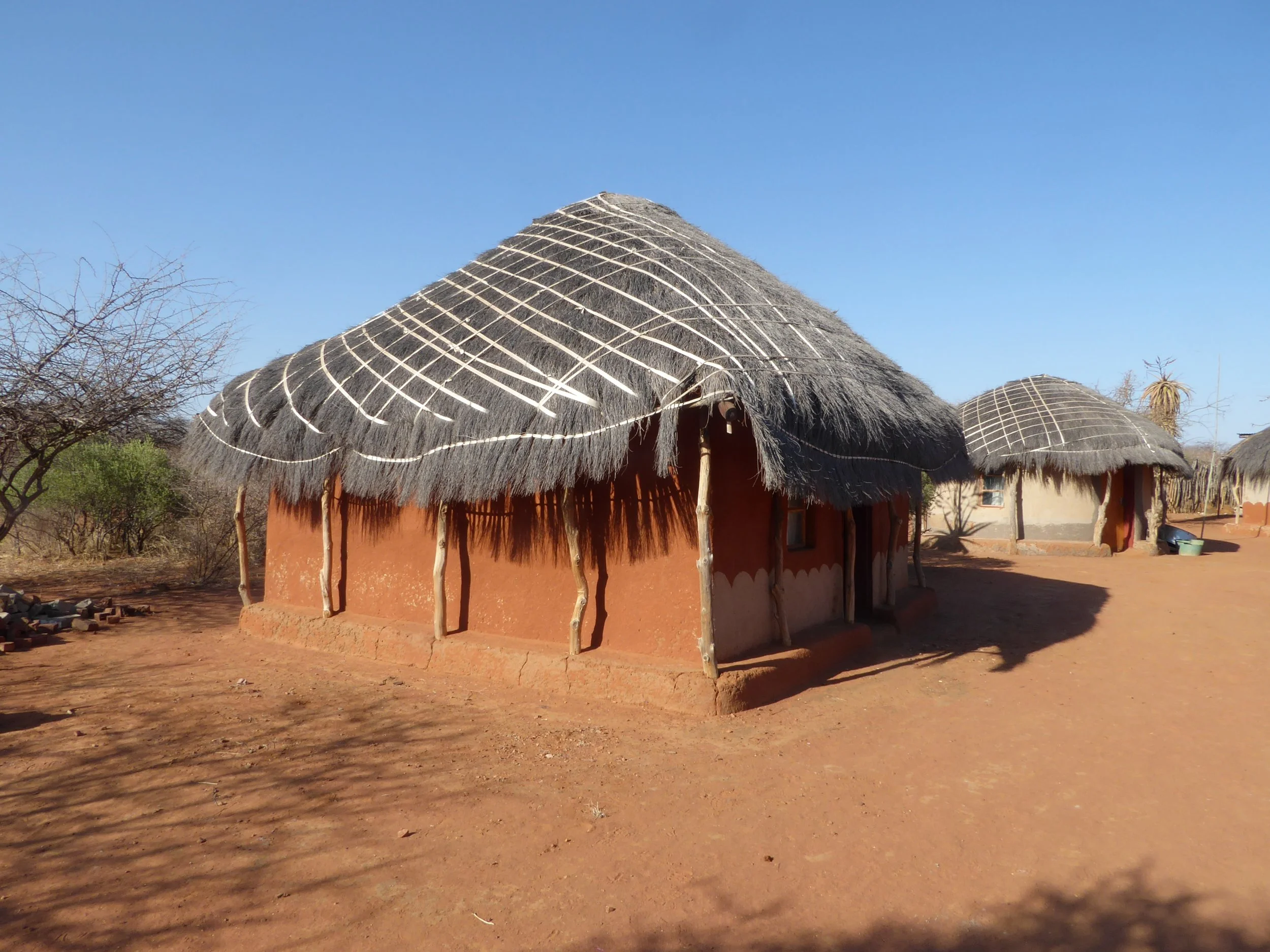
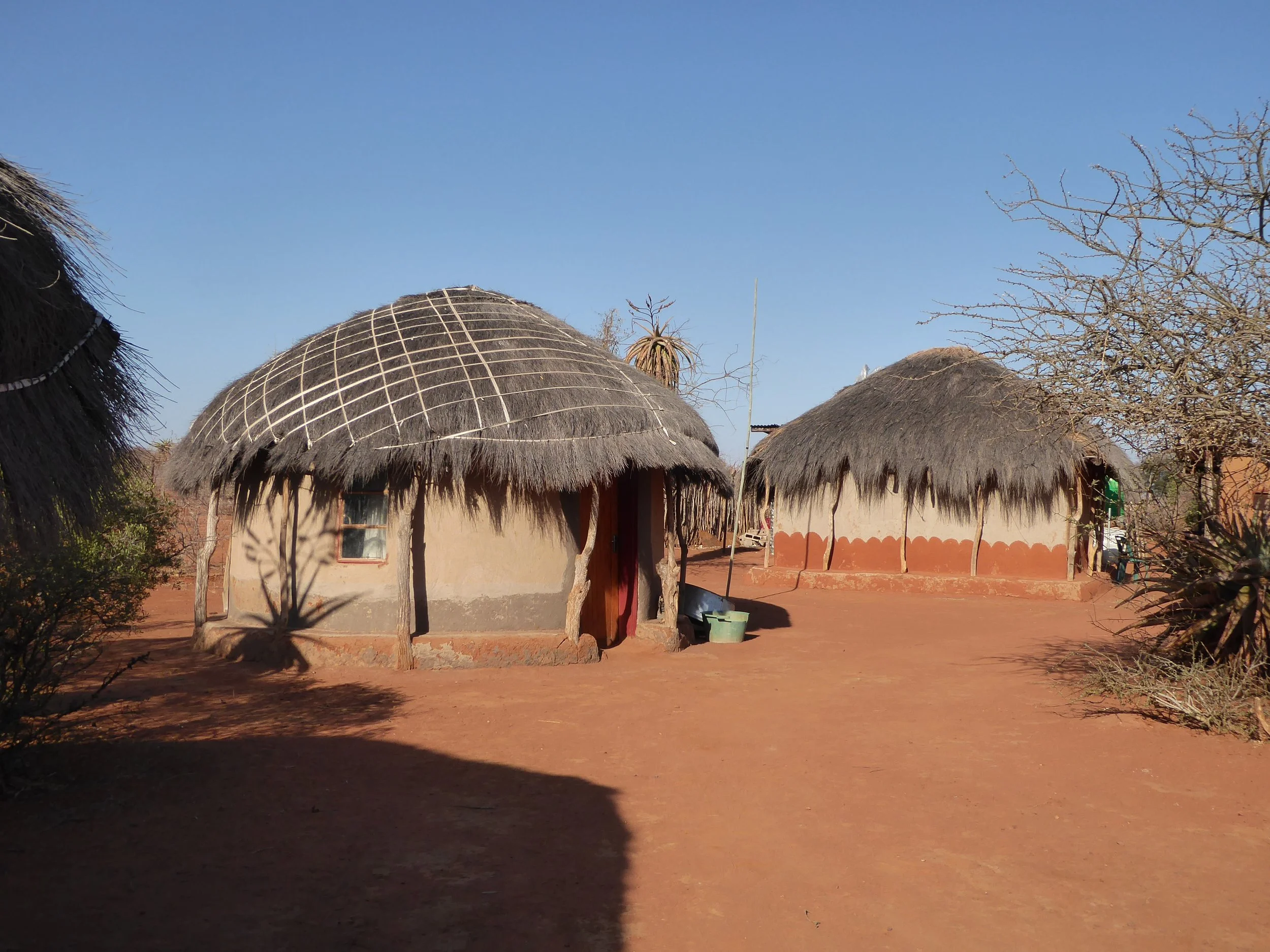
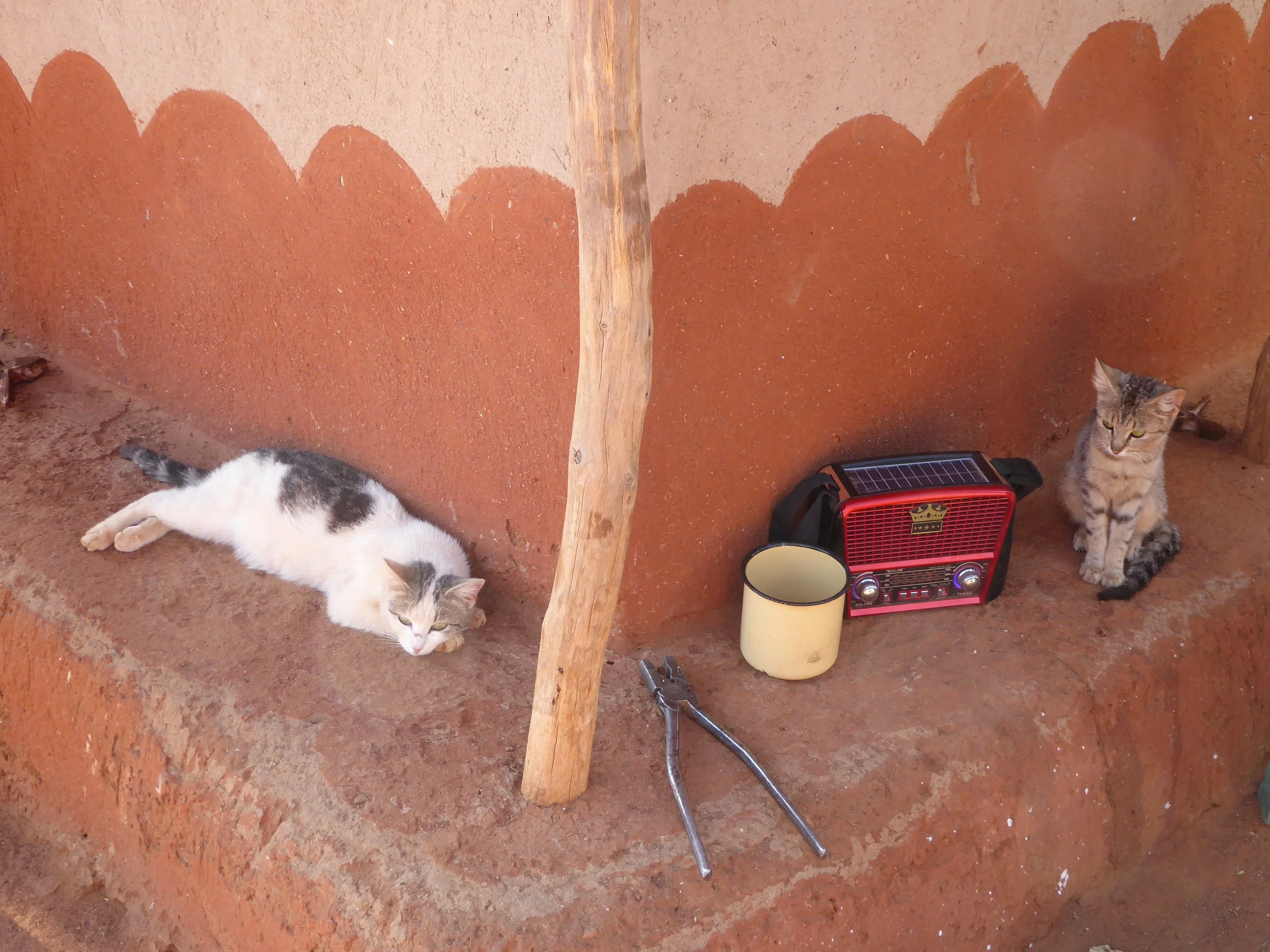
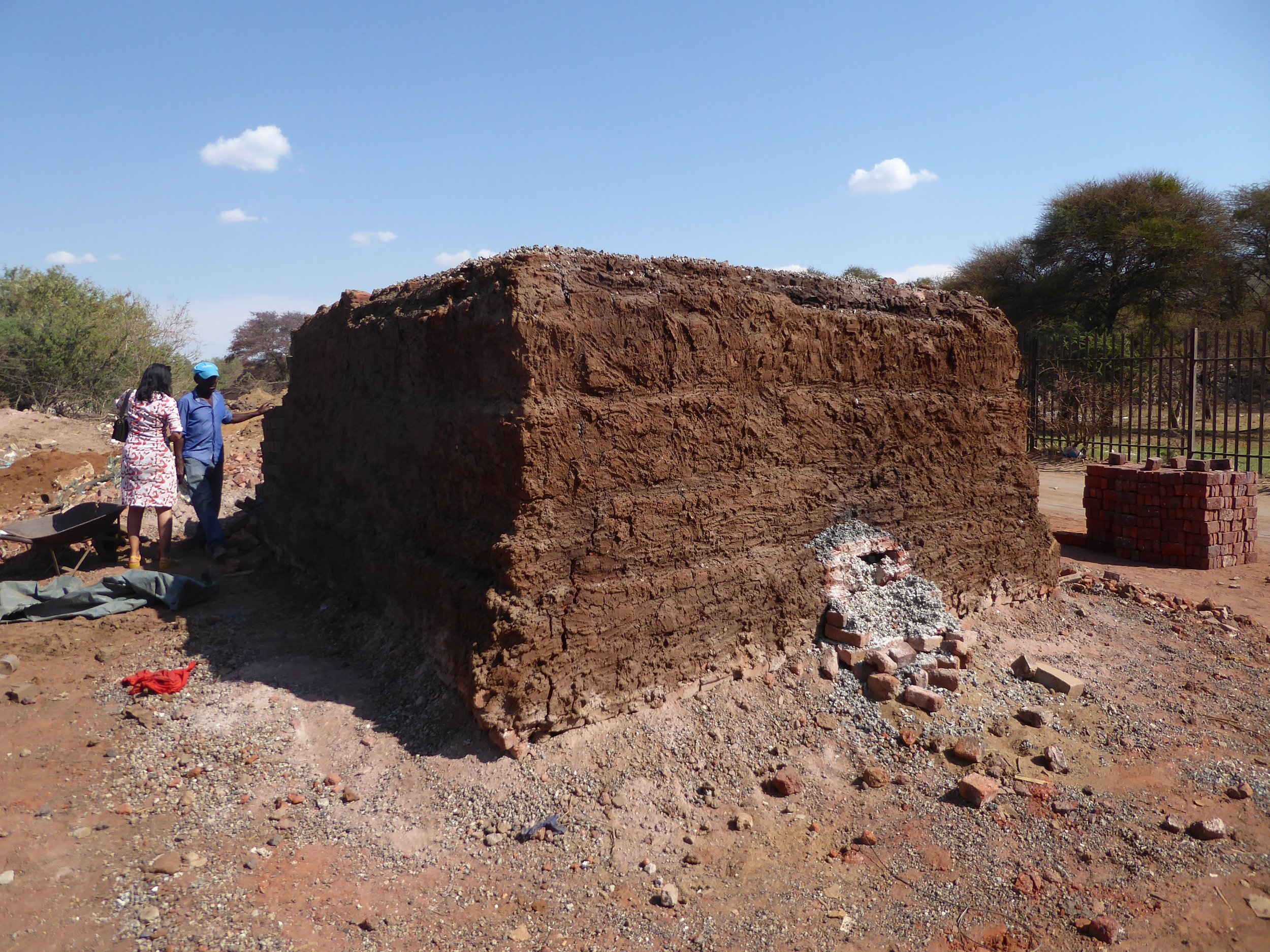
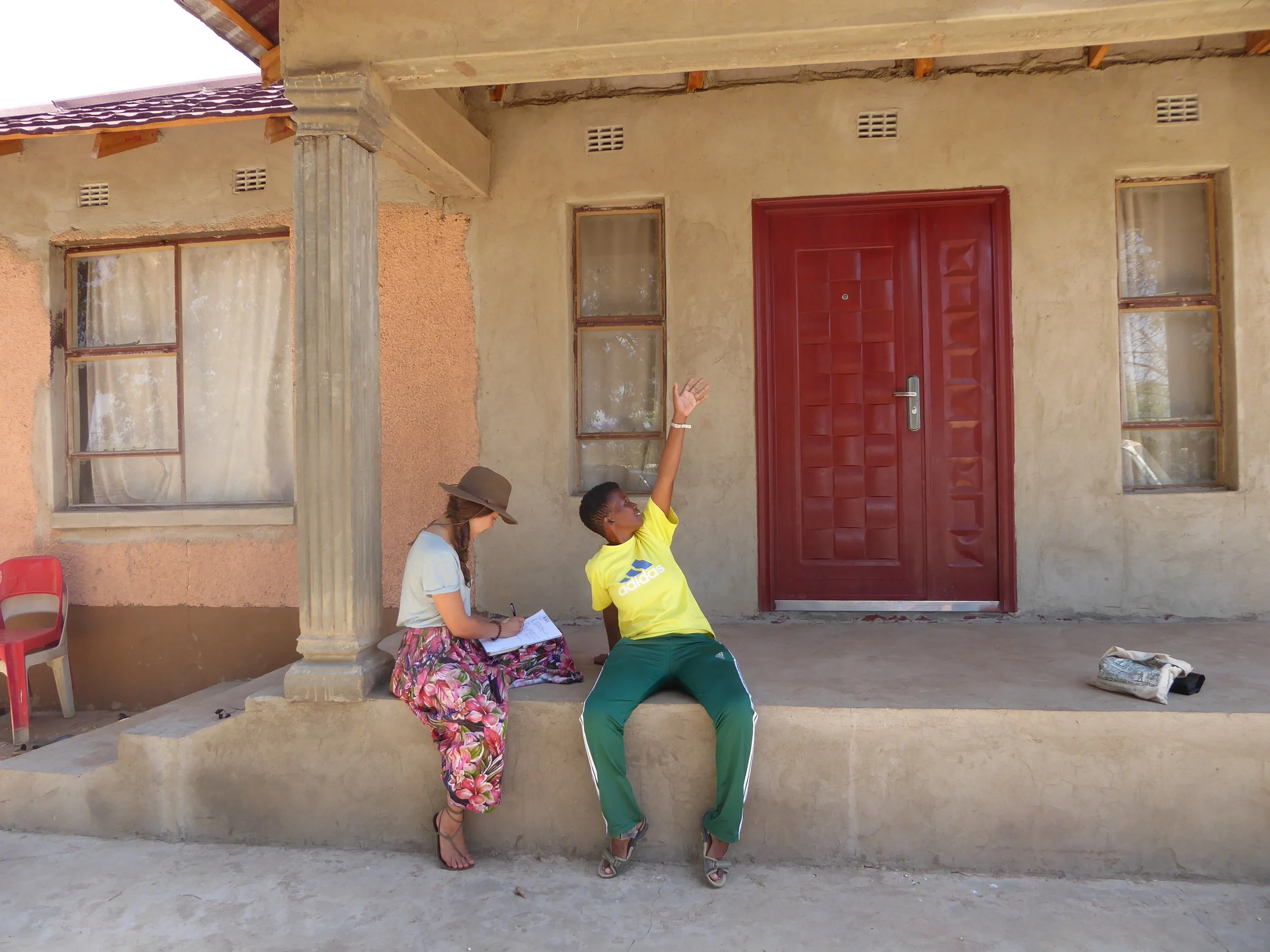
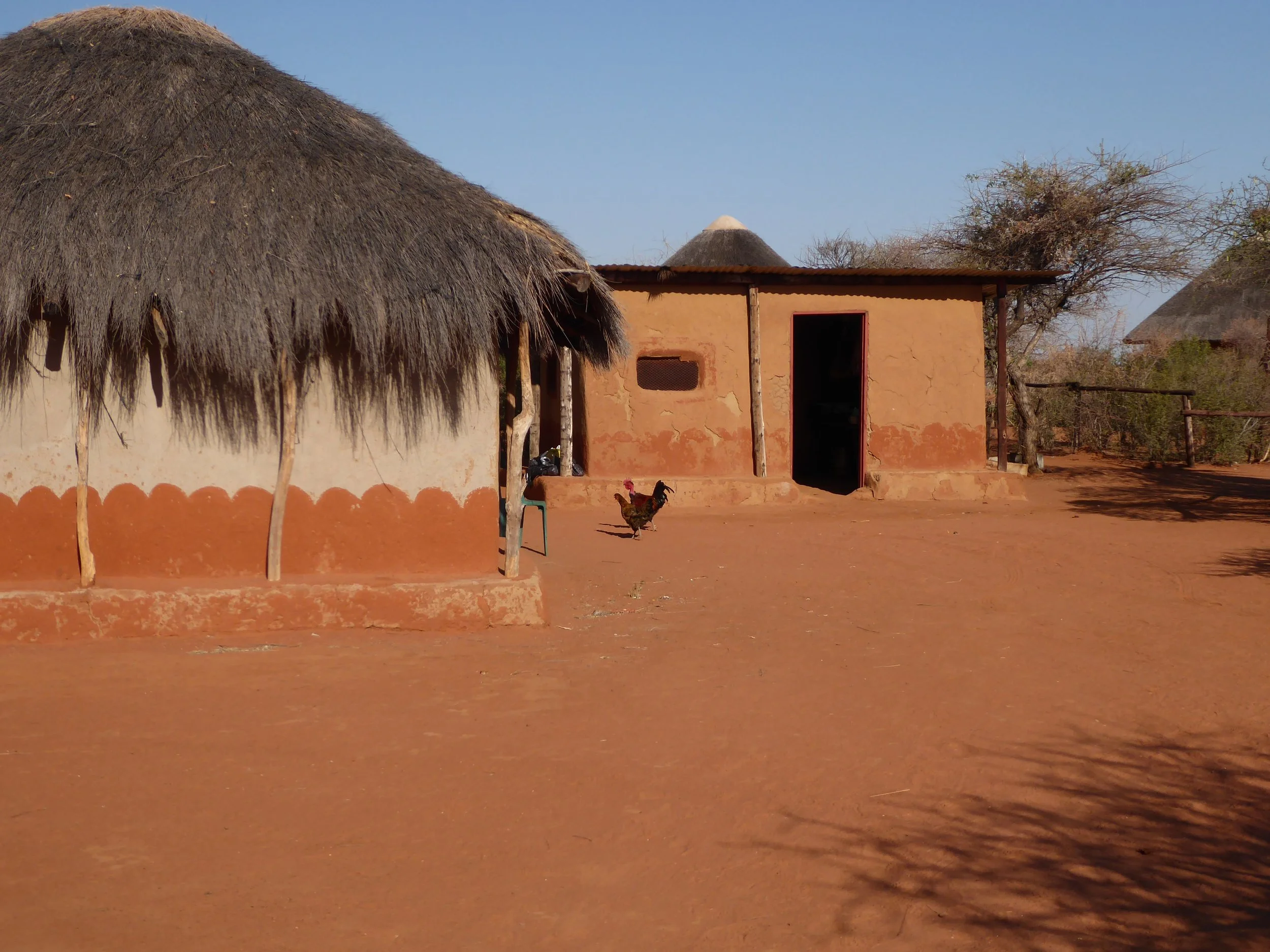
Since 2018, Citizen Architects have coordinated a series of shared initiatives with teaching partners in Austria and Botswana, involving students, academics, housing practitioners and crafts people. These have included jointly delivered lectures on Tswana placemaking, ethics and climate-responsive design, collaborative neighbourhood studies and reciprocal staff and student exchanges. A cornerstone of the program have been hands-on workshops in earth construction and thatching led by academics and craftspeople working form an oral tradition, highlighting the parity of these two different knowledge systems. Students developed housing proposals that were reviewed by both academic critics and BHC project partners, grounding design speculation in lived realities and institutional constraints.
Housing for a Changing Planet operates as a laboratory for progressive practice, where trust is built through sustained engagement, and where long-term relationships, not short-term outcomes, form the basis for more just housing futures.