The South East Football for Hope Centre
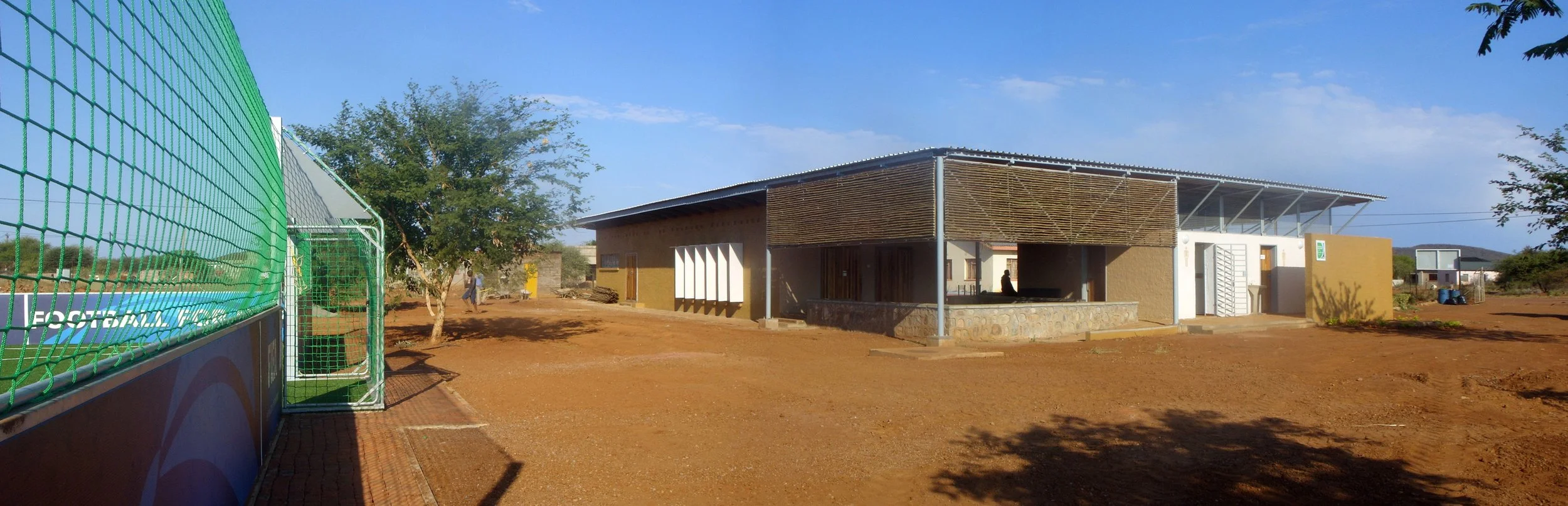
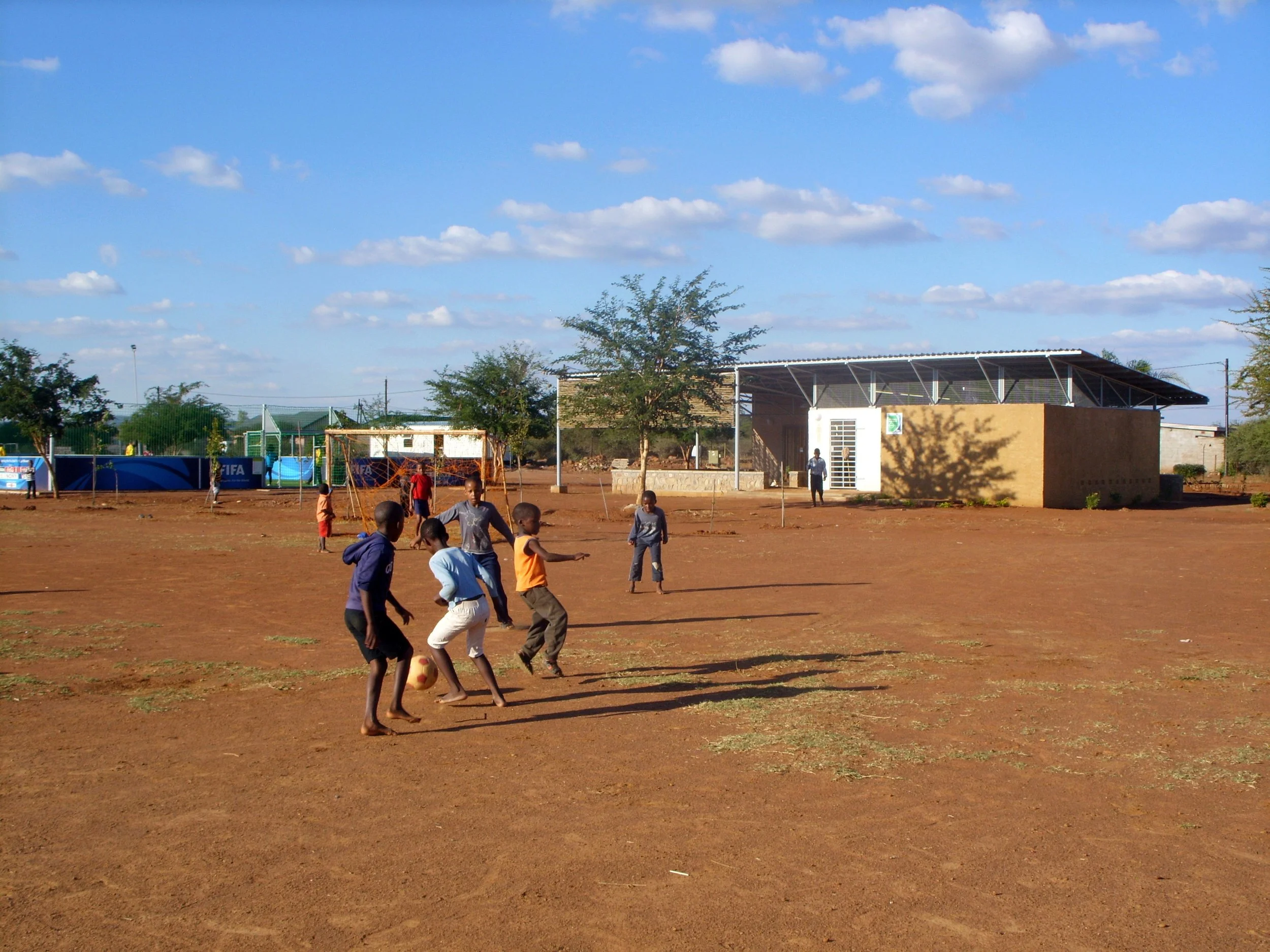
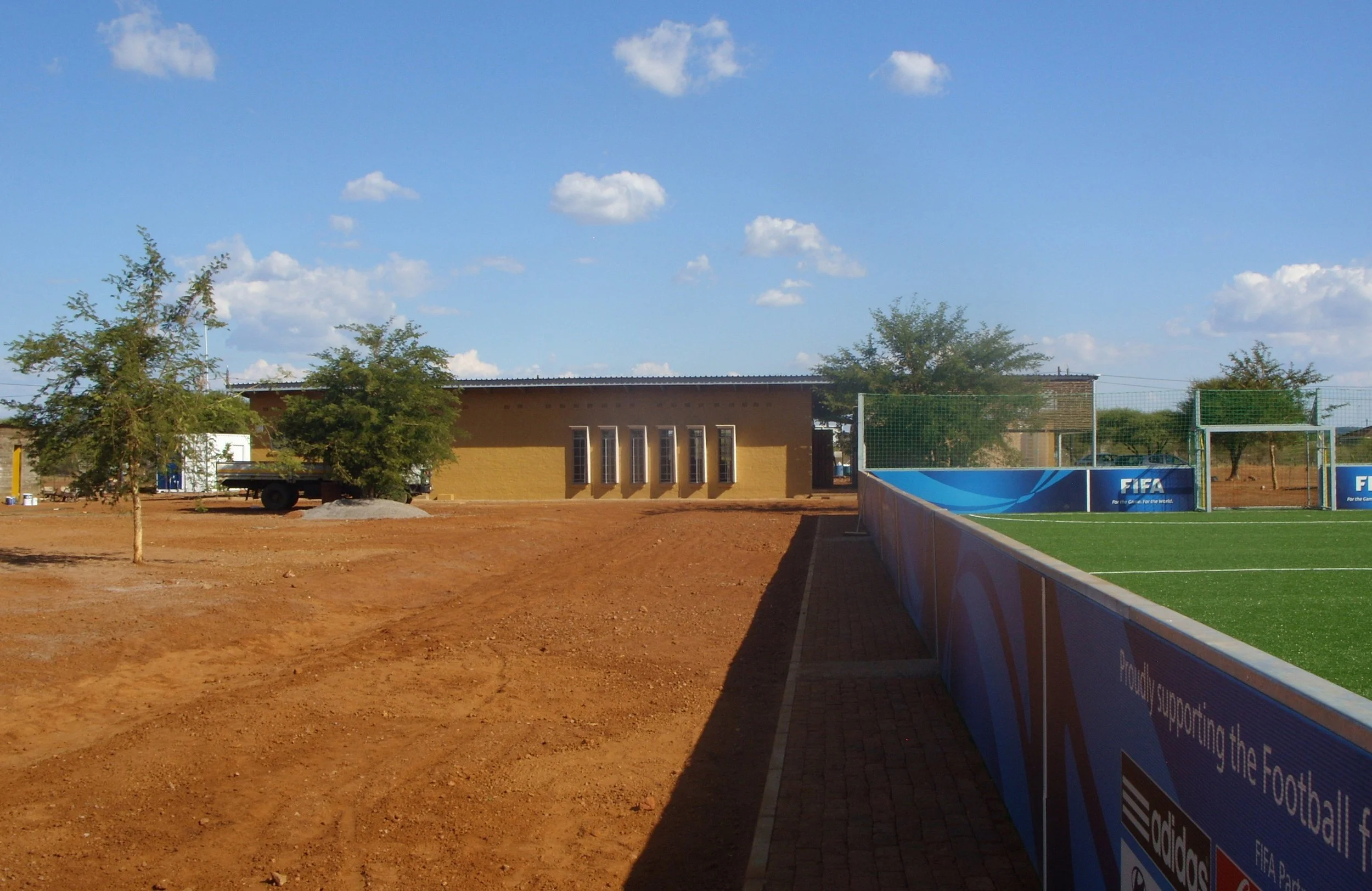
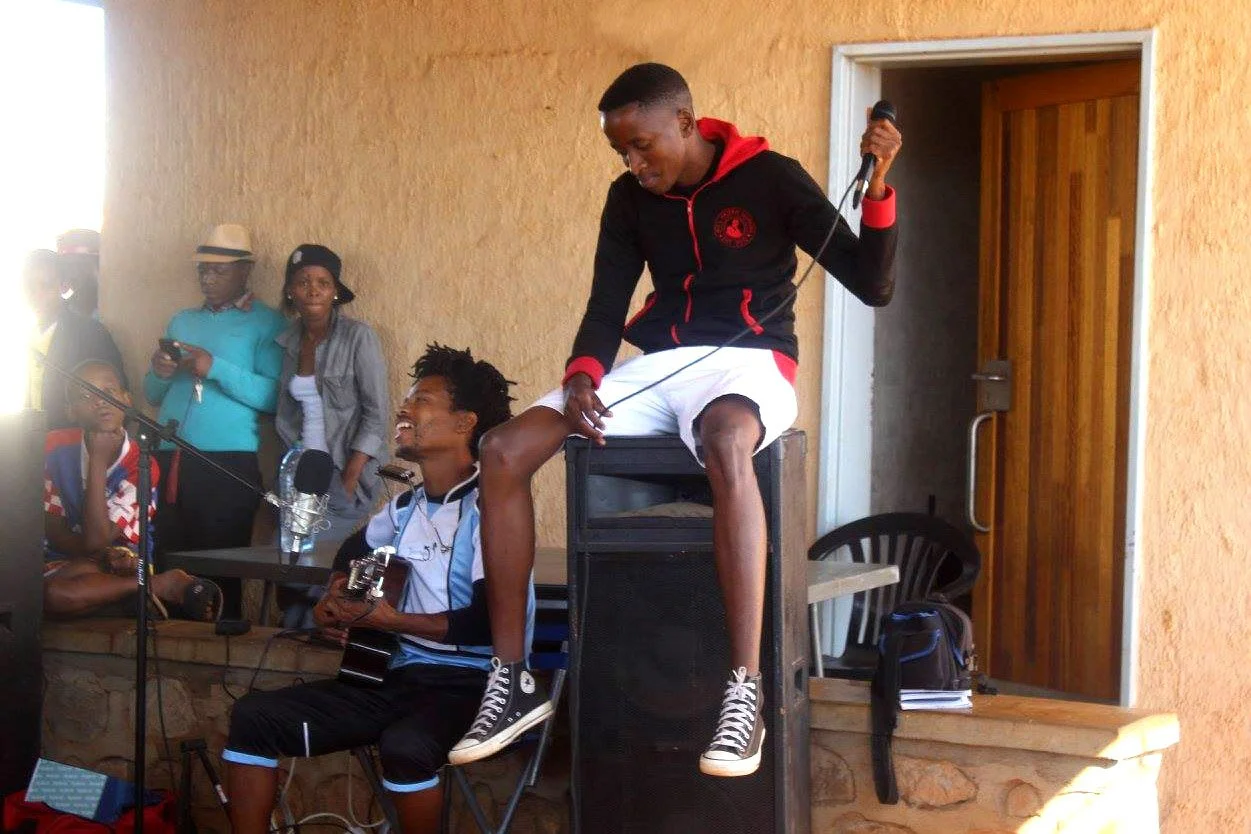
The South East Football for Hope Centre in Ramotswa (Botswana), was delivered as a highly responsive, on-the-ground collaboration with its client organisation, the South East District Youth Empowerment Association (SEDYEA), a youth club using football to support young people in the fight against HIV/AIDS. Citizen Architect Elisa relocated to Ramotswa for the duration of the design and construction phases, working closely with staff and young people to ensure the building directly supported their programmes, priorities and future ambitions. For SEDYEA, this close collaboration resulted in a building precisely tailored to the way they work, shaped through daily dialogue and close engagement. For its funder, FIFA, the project formed part of a lasting 2010 World Cup legacy: a robust, adaptable community facility capable of supporting long-term social impact – delivered on time and on budget.
The centre is one of 20 built across Africa under FIFA’s Football for Hope initiative. Designed and project managed by us for Architecture for Humanity in collaboration with Botswana Architecture practice Mosienyane & Partners.
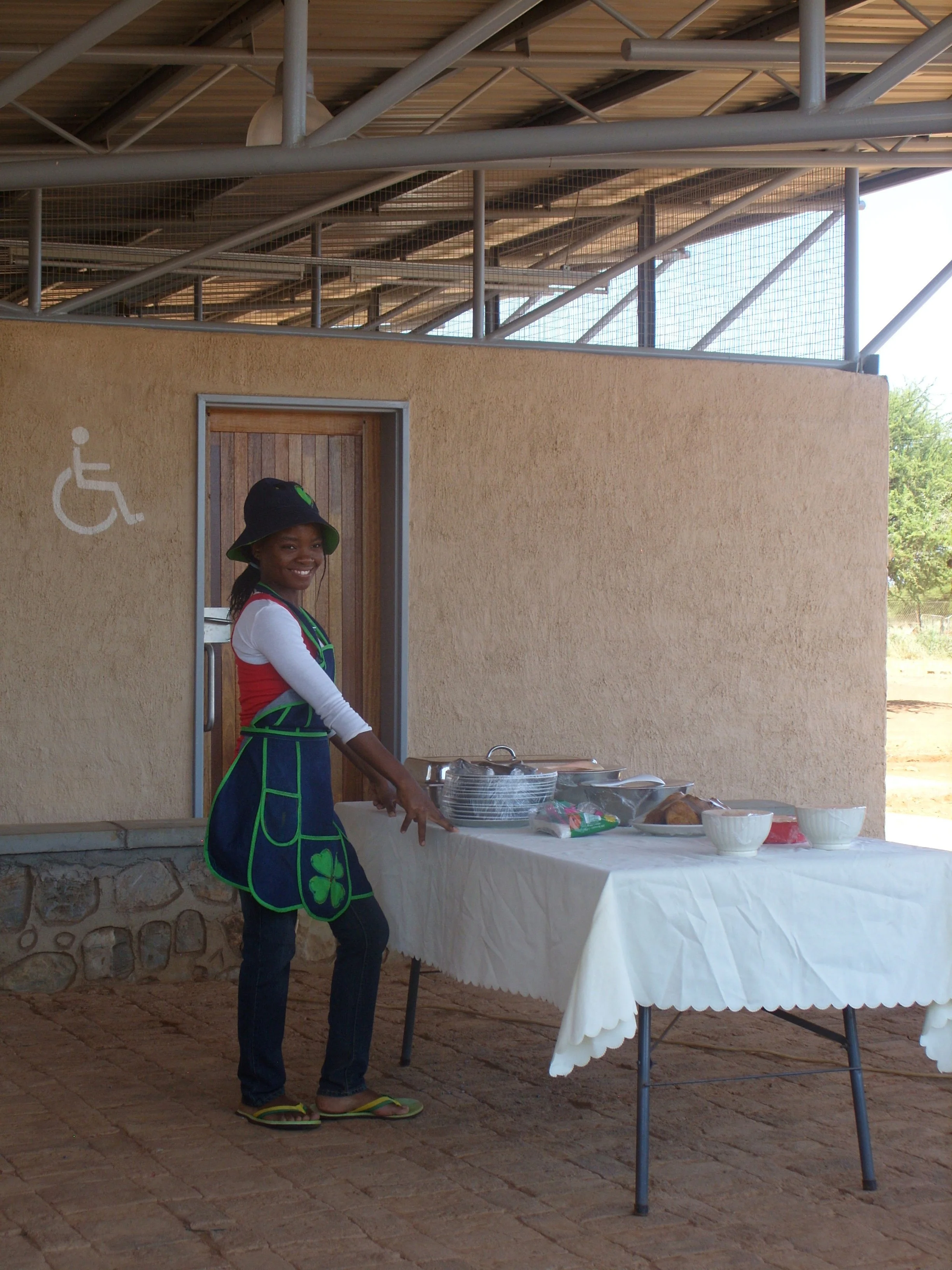
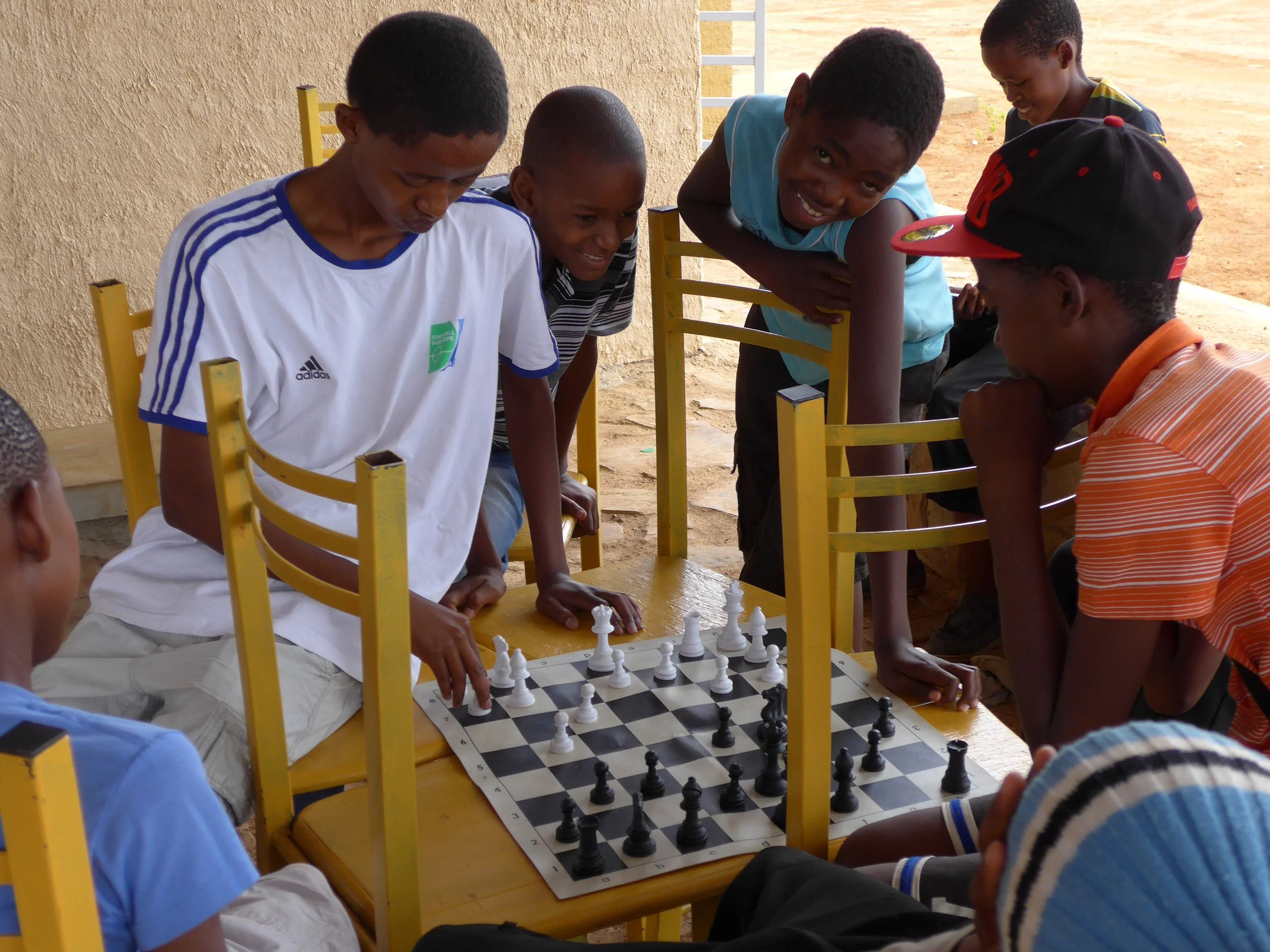
Alongside their football related activities, SEDYEA offers a variety of activities aimed at empowering young people, particularly young girls. Their homework club encourages teenagers to stay in education, while their catering program, supported by their own vegetable garden, raises funds for the centre while teaching key business and nutrition skills. In short: SEDYEA’s ambitions far exceeded the modest project budget, making it essential to maximise usable space.
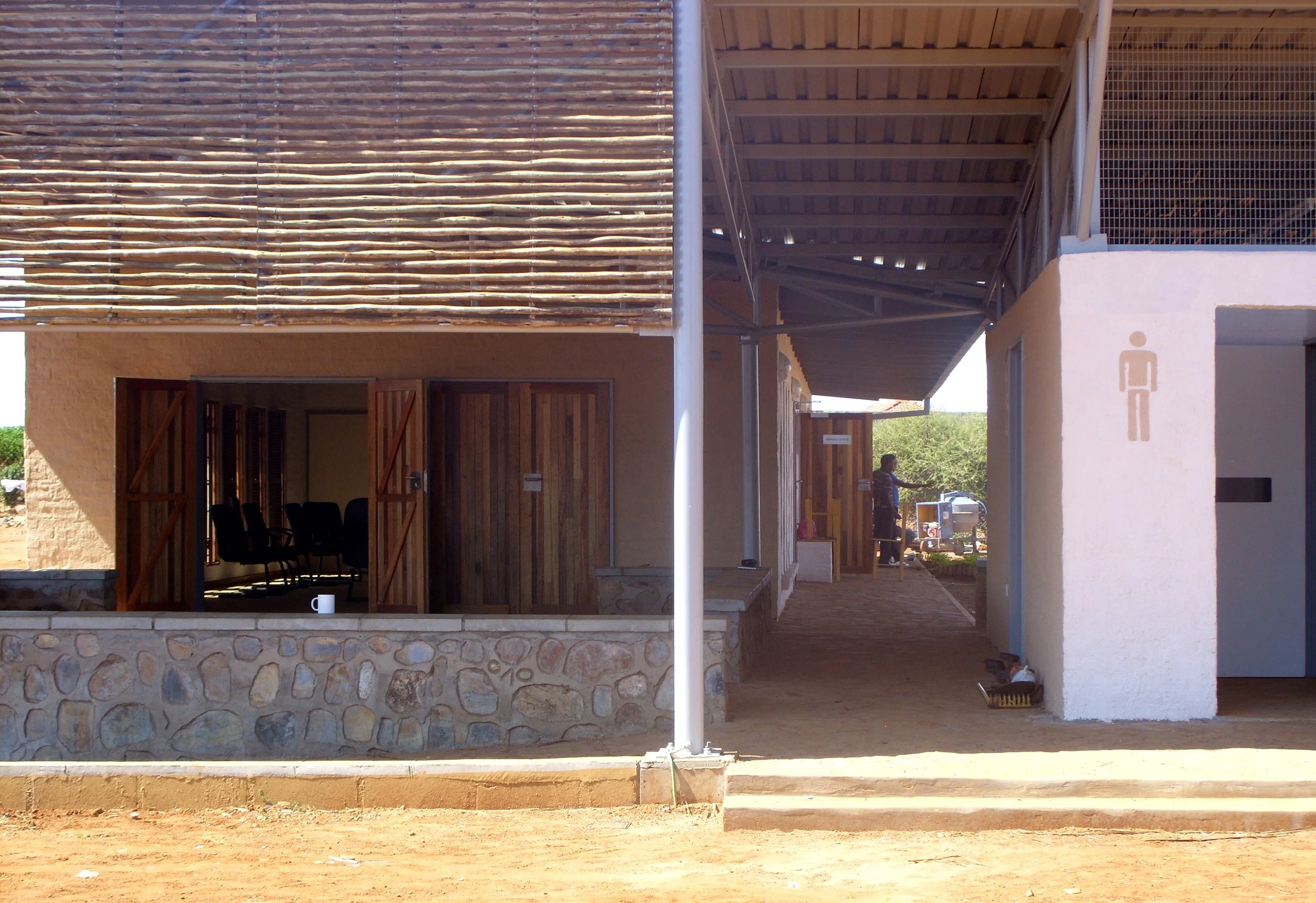
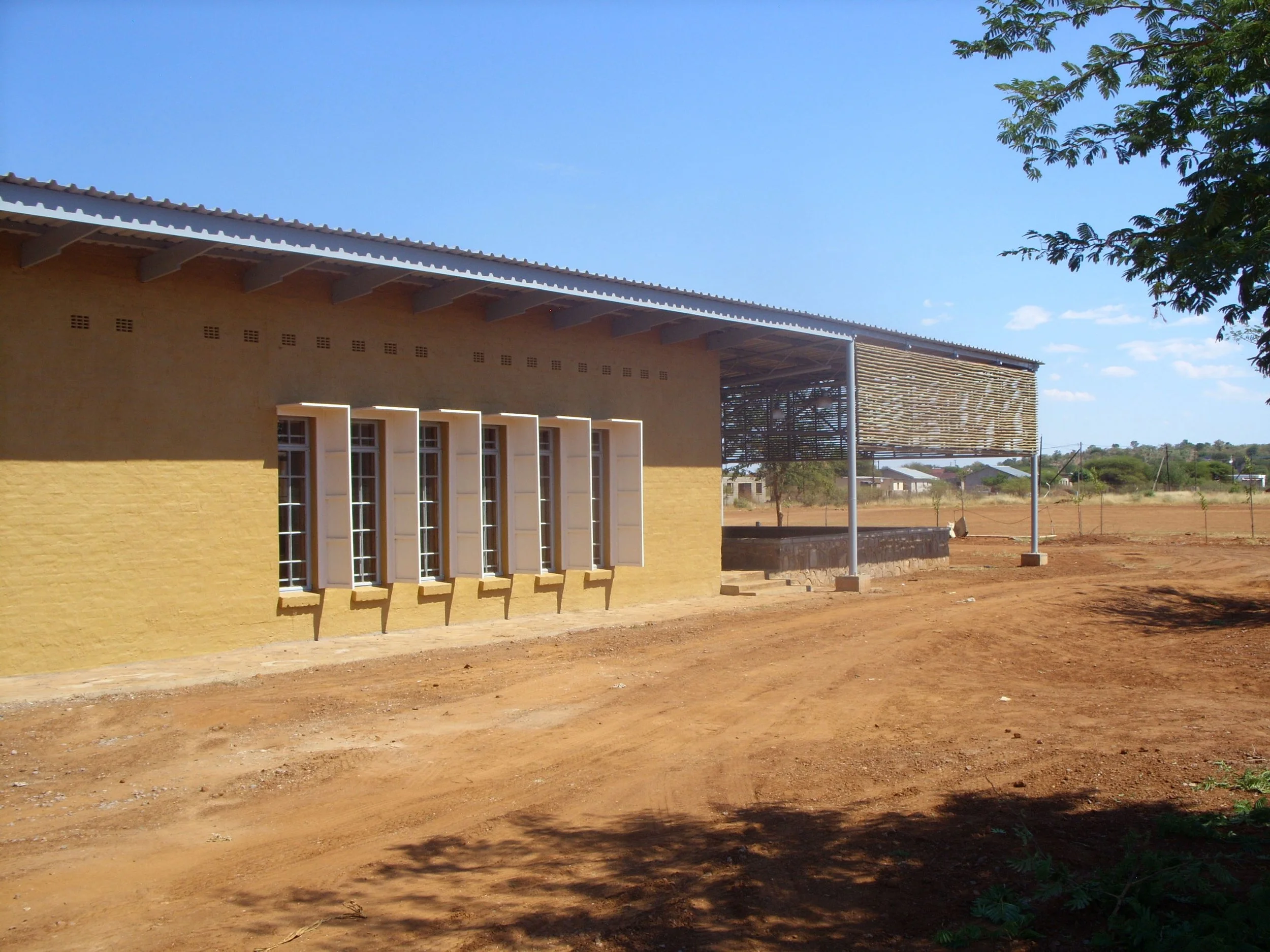
Their brief was for a building that was “simple but smart”. This led to a design that prioritises generous covered outdoor areas, significantly extending the centre’s functional capacity without increasing cost.
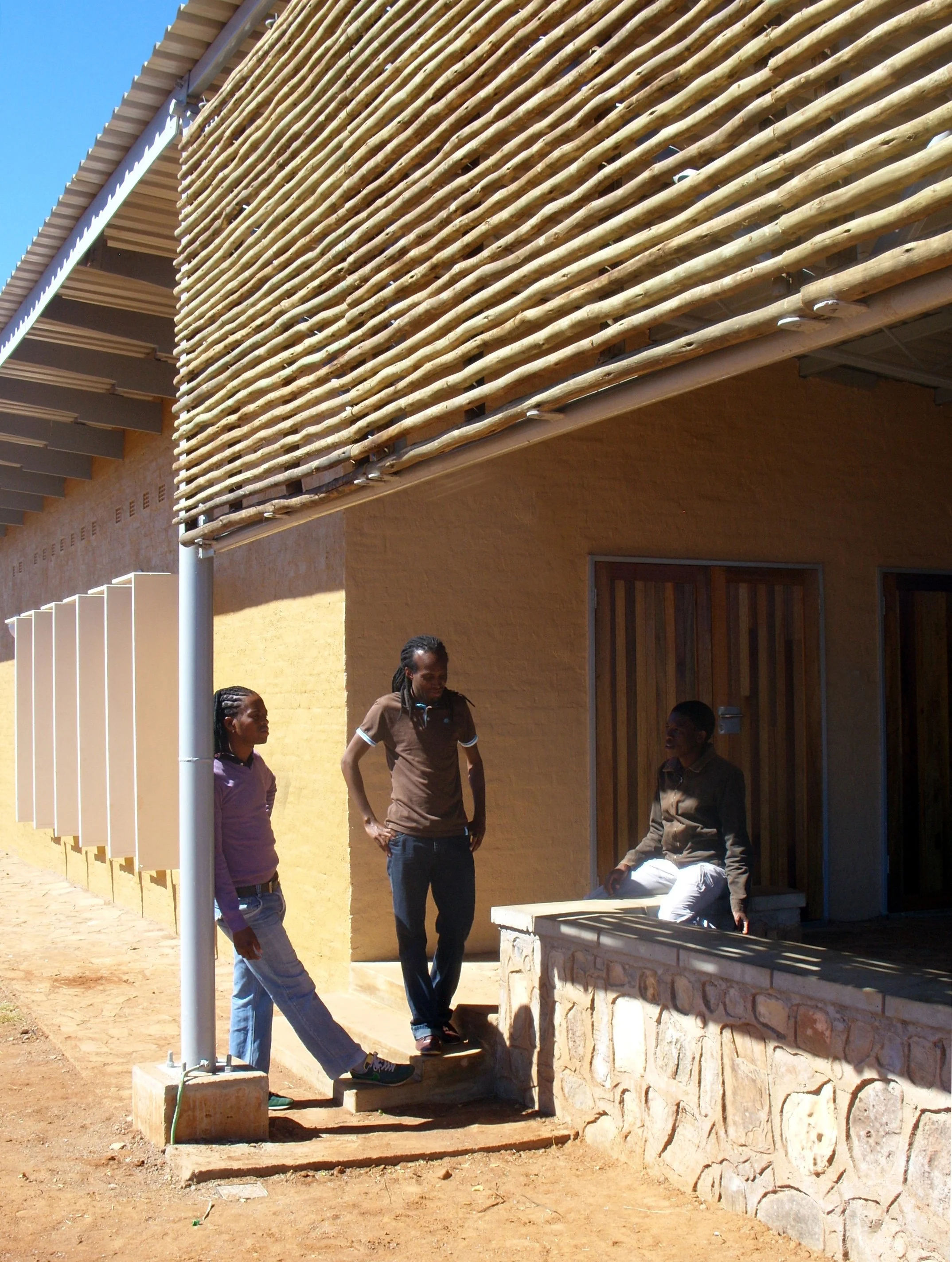
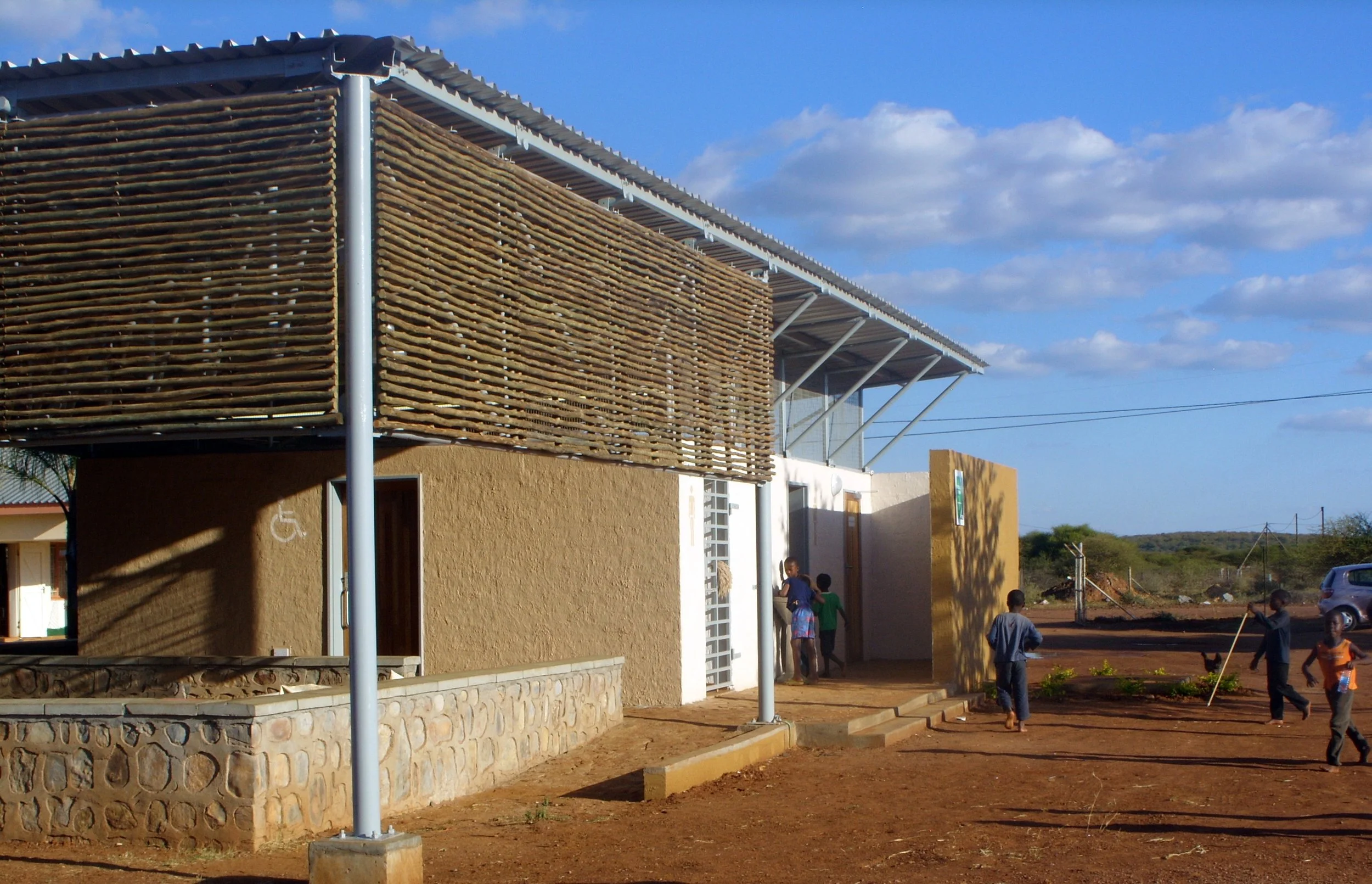
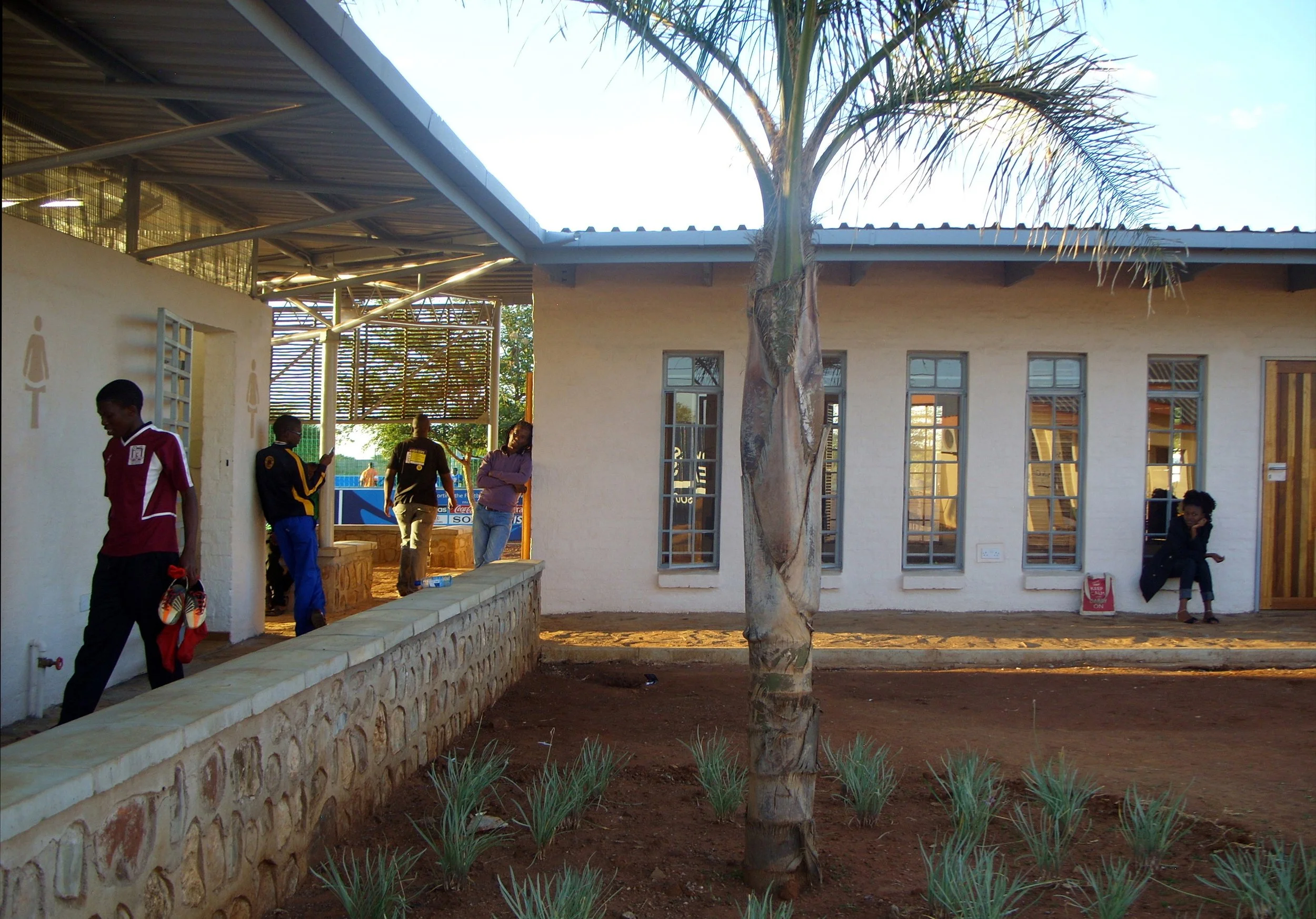
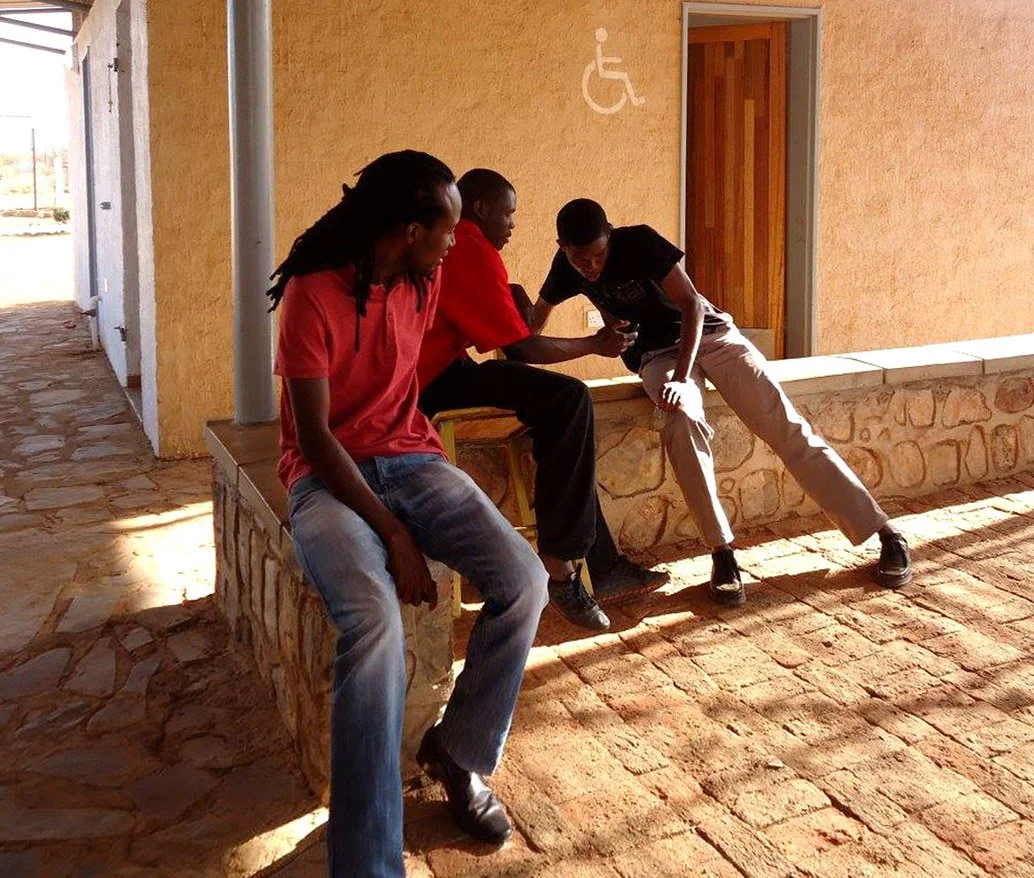
Responding to Botswana’s extreme climate, the building uses orientation, shade, ventilation and thermal mass to create comfortable learning environments with minimal resources. Teaching spaces face north–south, carefully designed roof overhangs and screens control heat gain, and high floor-to-ceiling heights create cross ventilation. Locally made clay bricks, stone sourced from the site, woven reed ceilings and recycled paper insulation ground the building in local materials and practices.
Many elements draw directly on Tswana building traditions. Low stone walls define outdoor rooms and provide informal seating, creating permeable thresholds that invite young people to gather, participate and take ownership of the space.
The design aims to show how buildings can be adapted to the local climate by making a few key design decisions, while using common local building practices and materials.
The building won a number of awards:
● Autodesk Award for Sustainable Building 2012: Winner
● Architecture for Humanity Annual Awards: Exterior Detail: Winner
● Project of the Year: Finalist