LIME WHARF
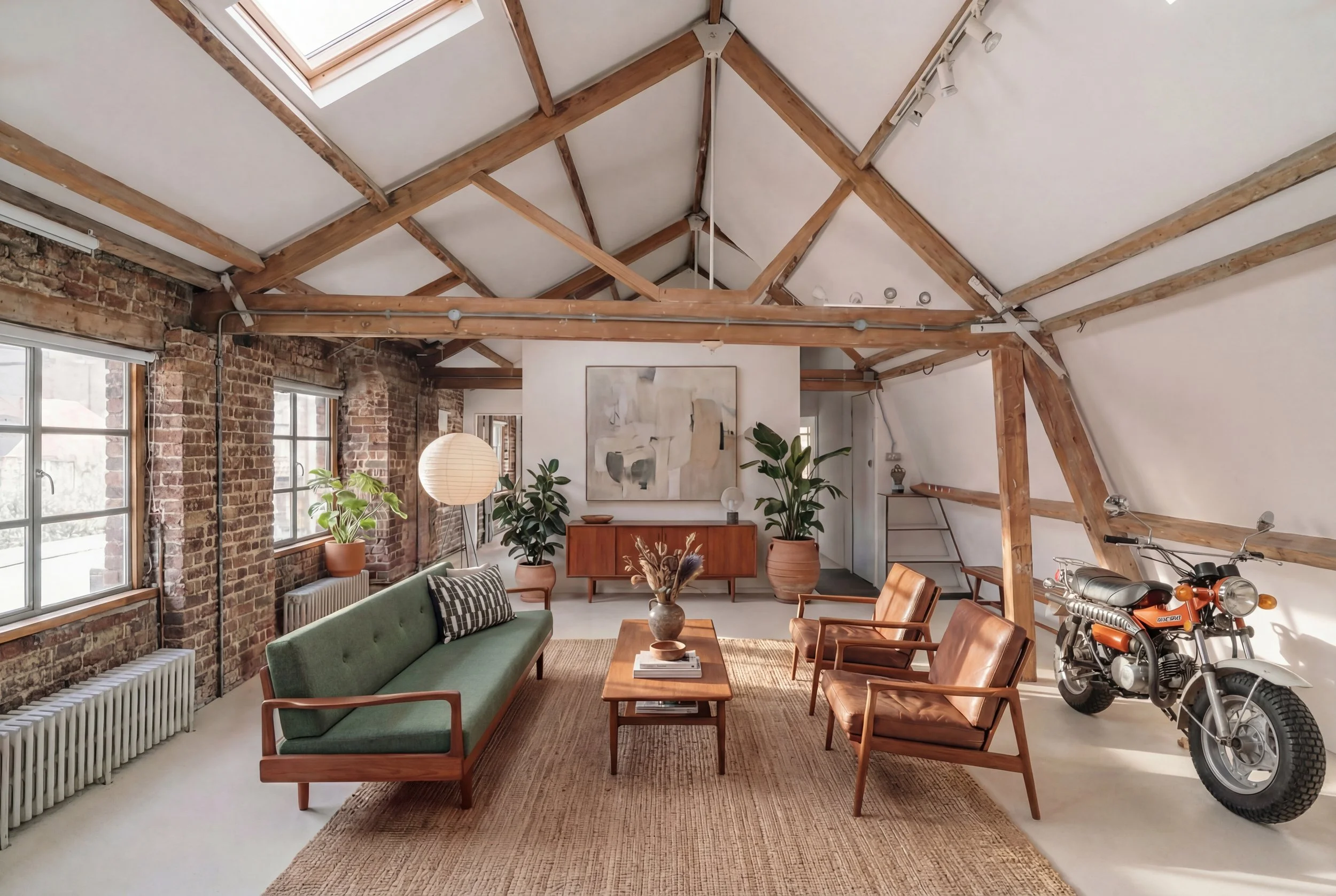
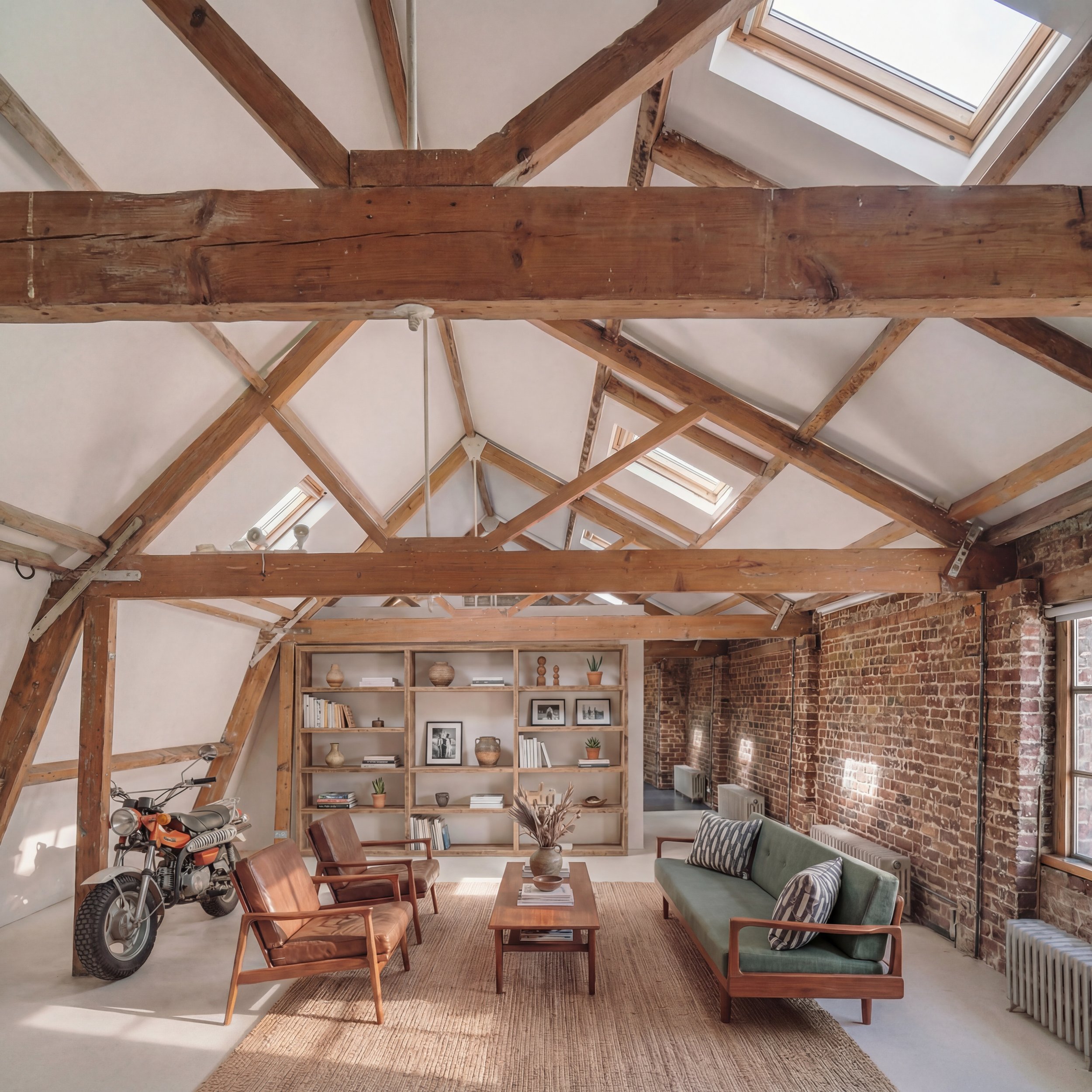
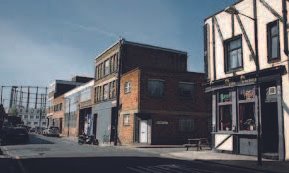
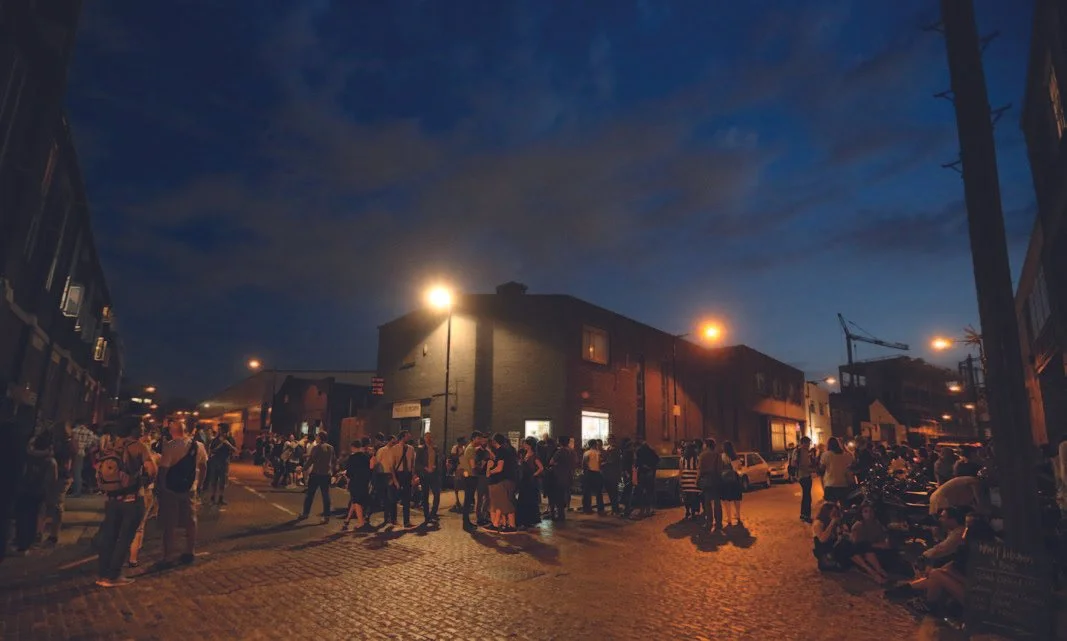
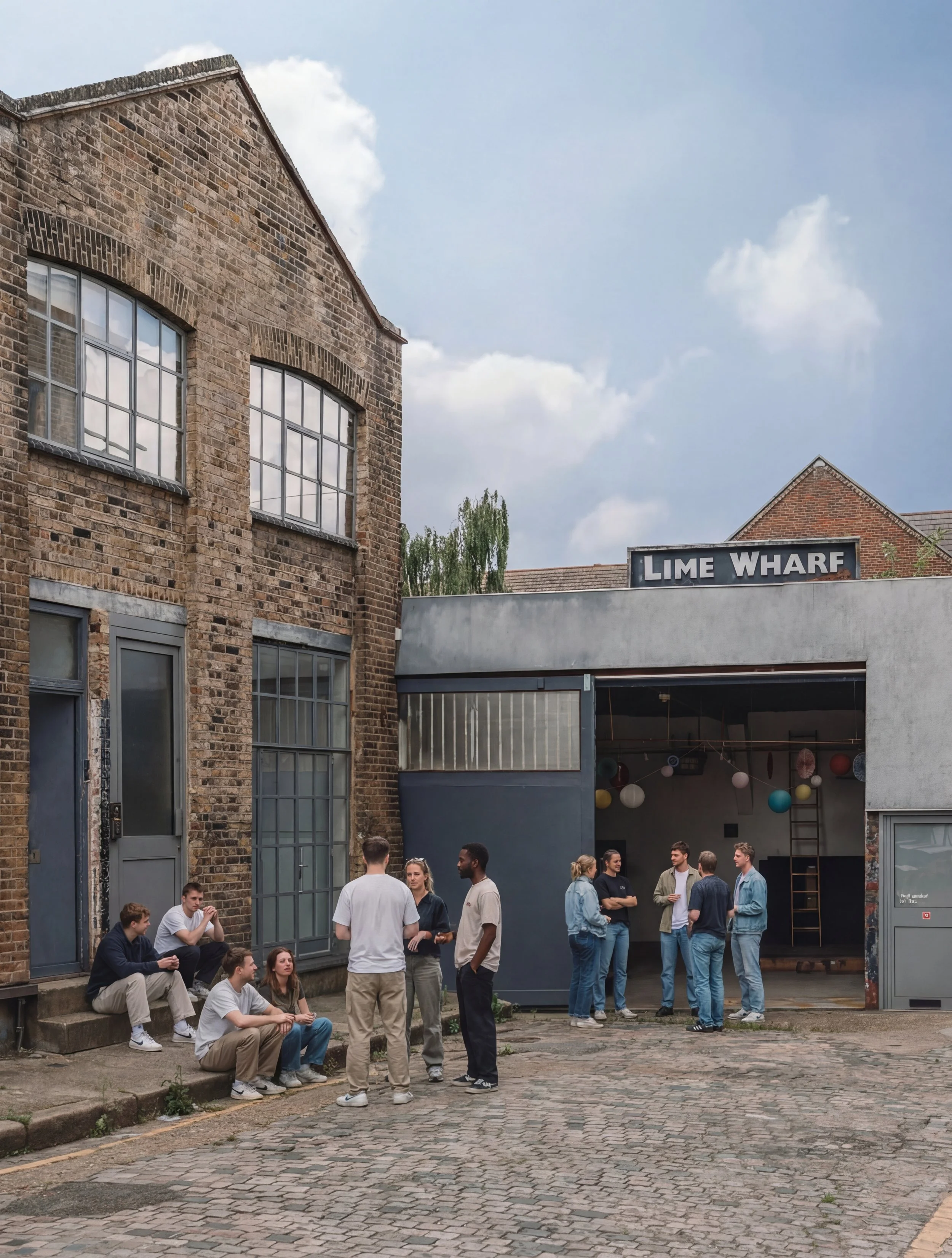
Lime Wharf is located on Vyner Street in East London, at the time a recognised cultural district and one of London’s most active centres for contemporary visual art. The street was characterised by a diverse mix of artists, galleries, manufacturers, and creative entrepreneurs, and played a key role in the monthly First Thursdays event, when over 30 galleries opened to the public. The project was conceived within this vibrant creative context for the directors of Citizen Architects.
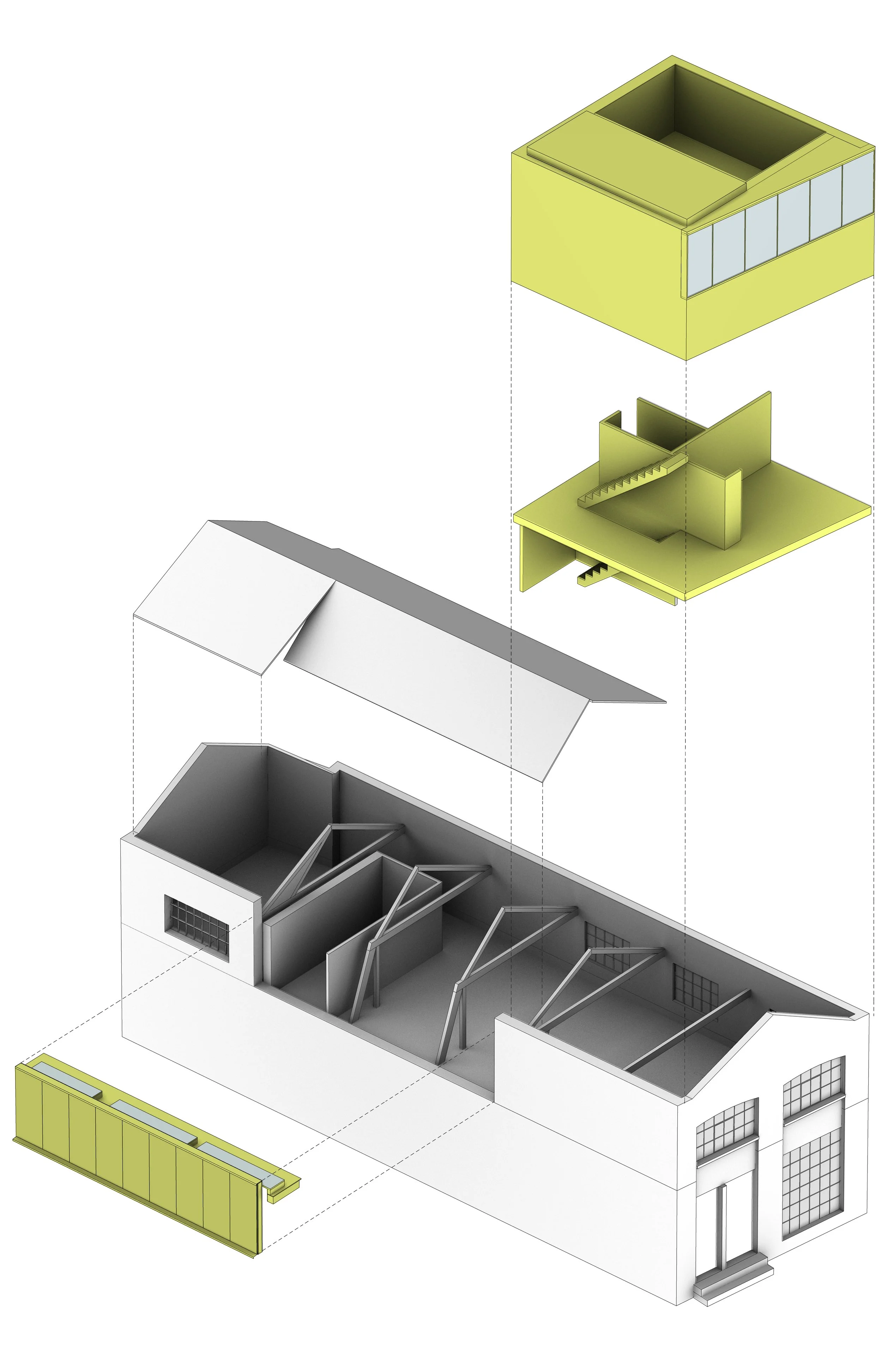
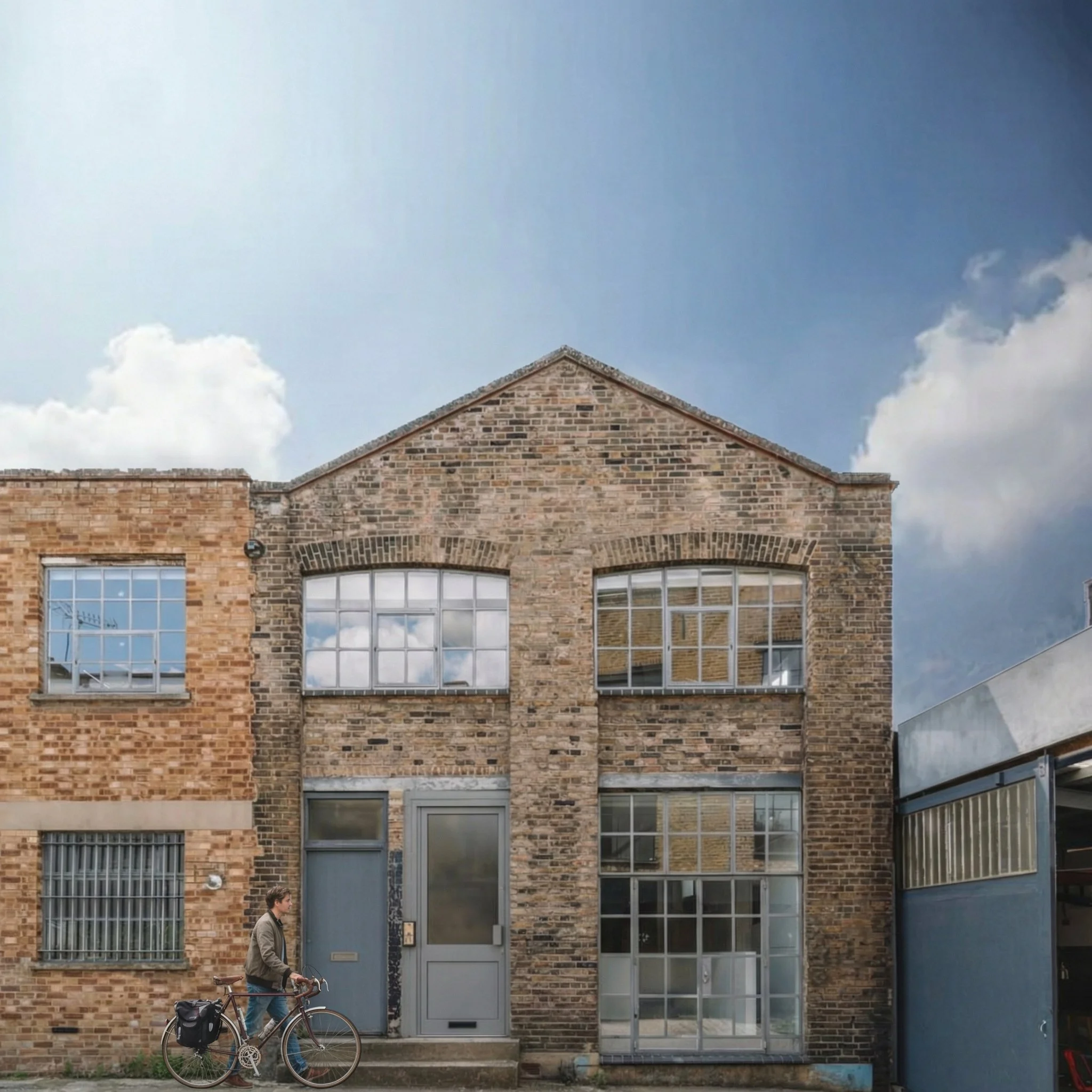
The building is a Victorian warehouse, originally constructed as a timber workshop. Our aim was to convert it into a combined home and studio that could support making, exhibiting, and living, while retaining the robust industrial character of the existing structure.
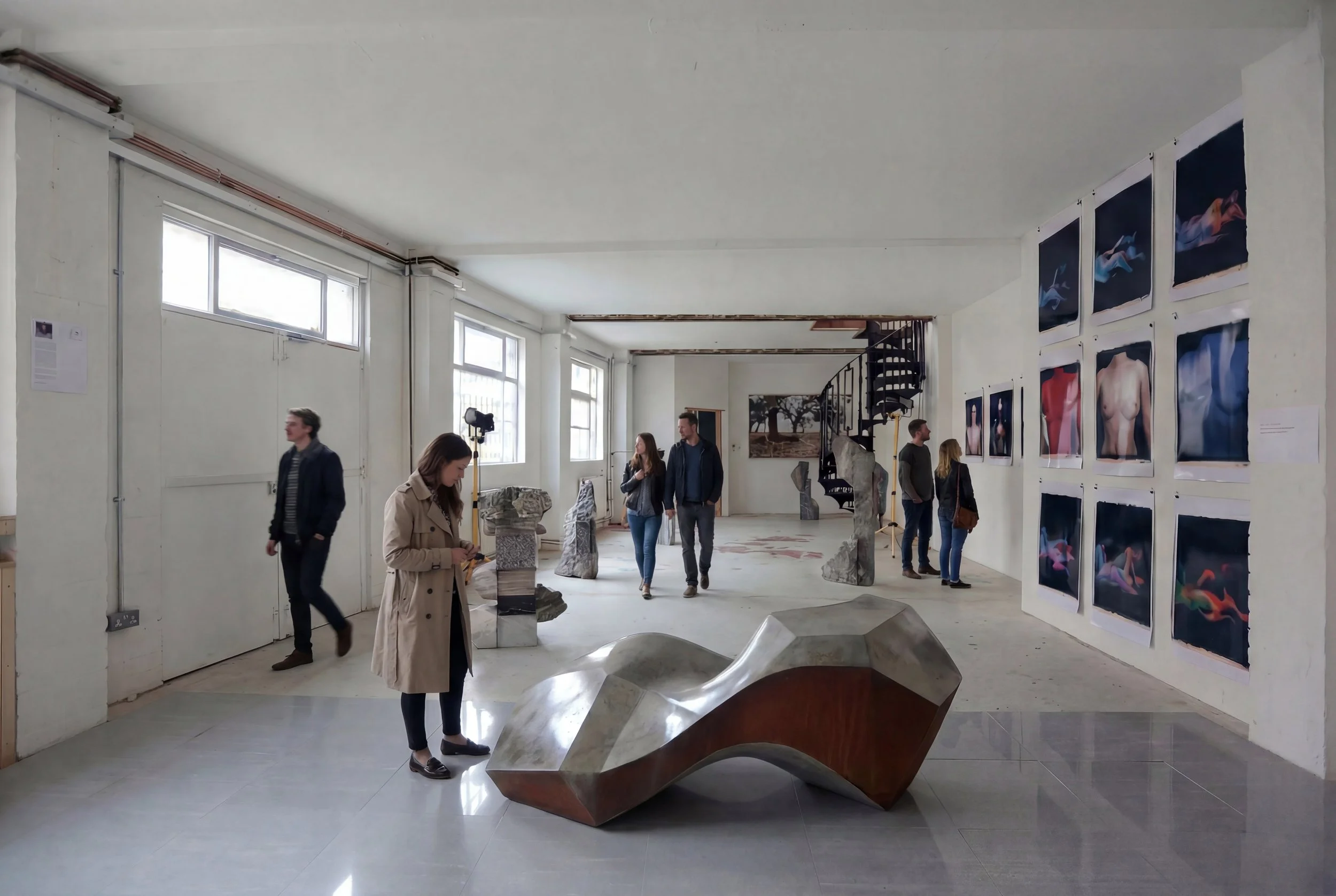
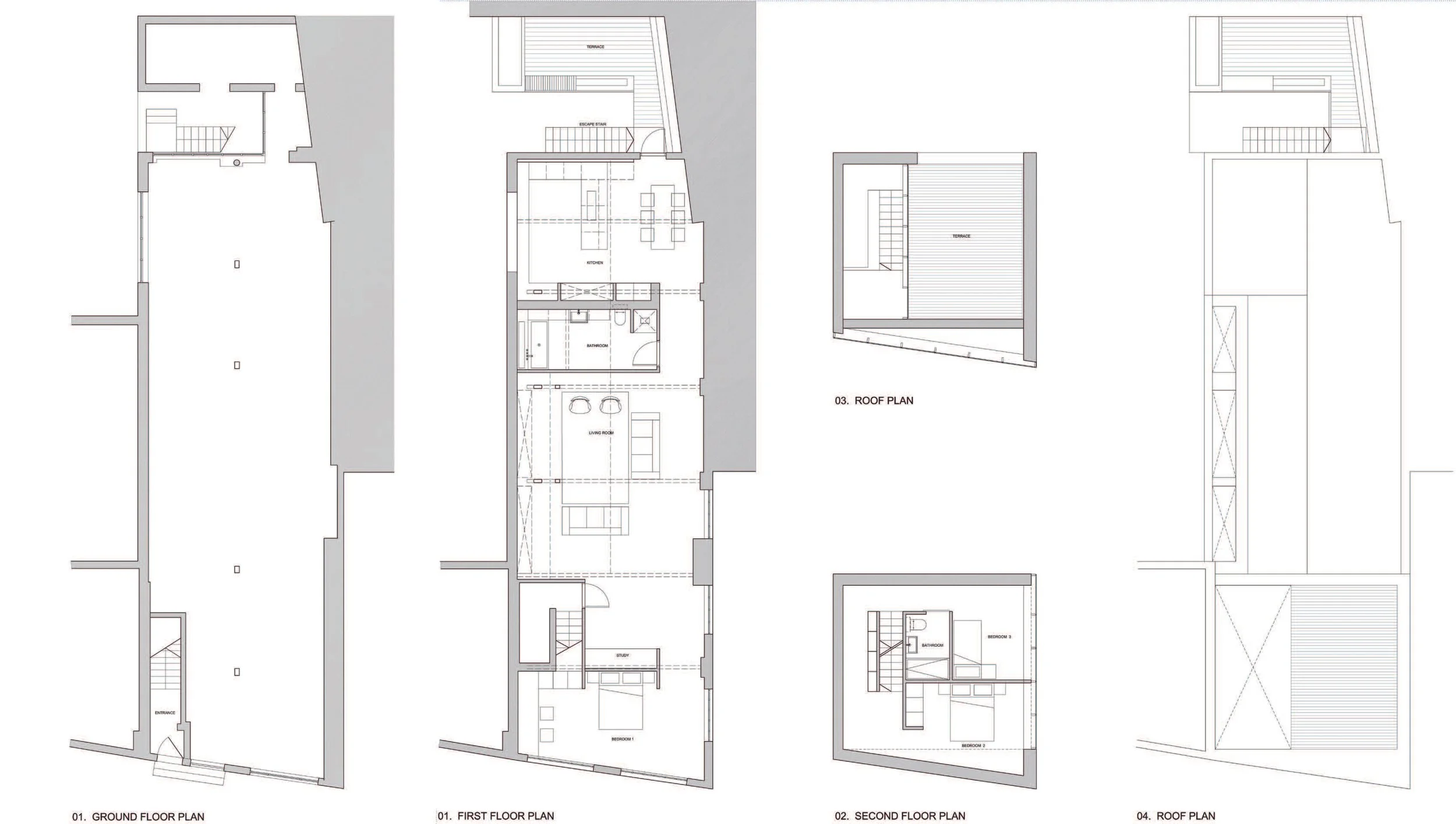
Working with an artist-led community, the building was split into two interconnected zones: a flexible ground-floor studio and workshop space, and a first-floor family home, converted from former gallery/office/studio use. The ground floor provided an open, adaptable environment for making, exhibitions, and events, while the upper level offers a generous domestic setting.
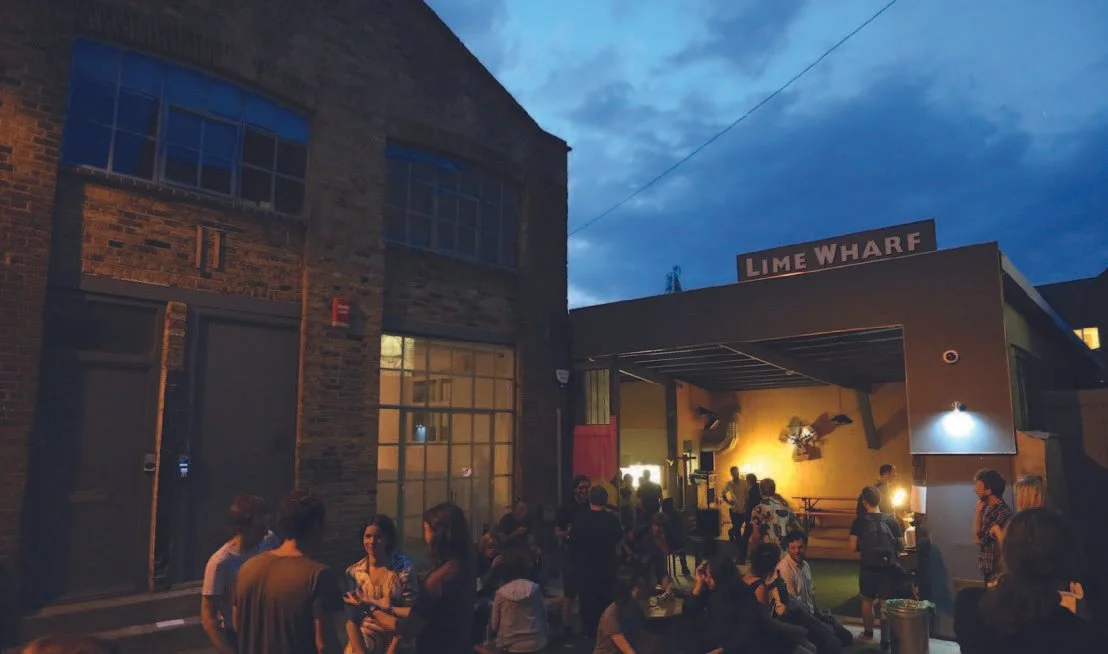
The home and studio hosted private exhibitions, inviting artists to present work within an intimate domestic environment as an alternative to the conventional white-box gallery. The space also accommodated live performances and social events, reinforcing its role as a cultural and social platform within the neighbourhood.
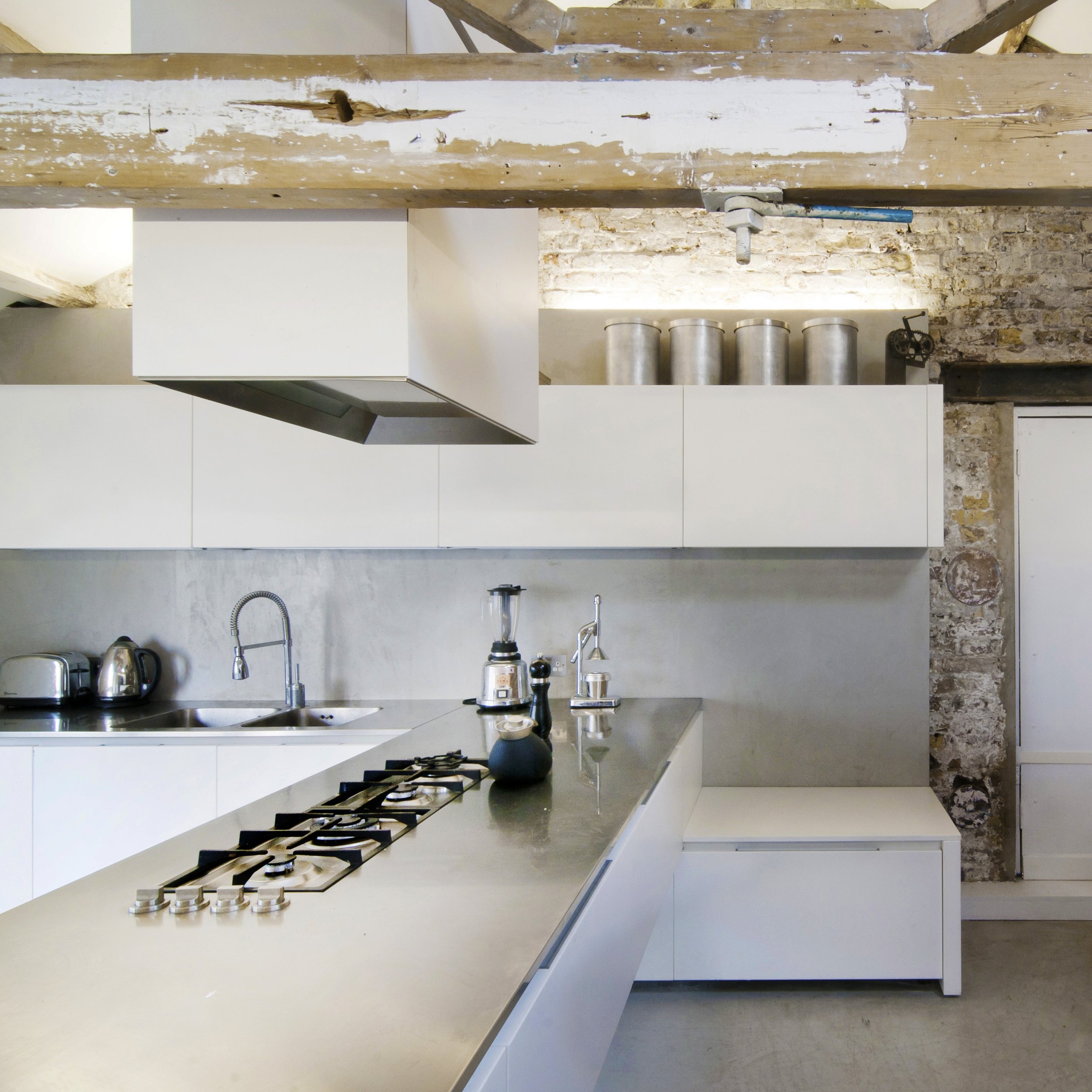
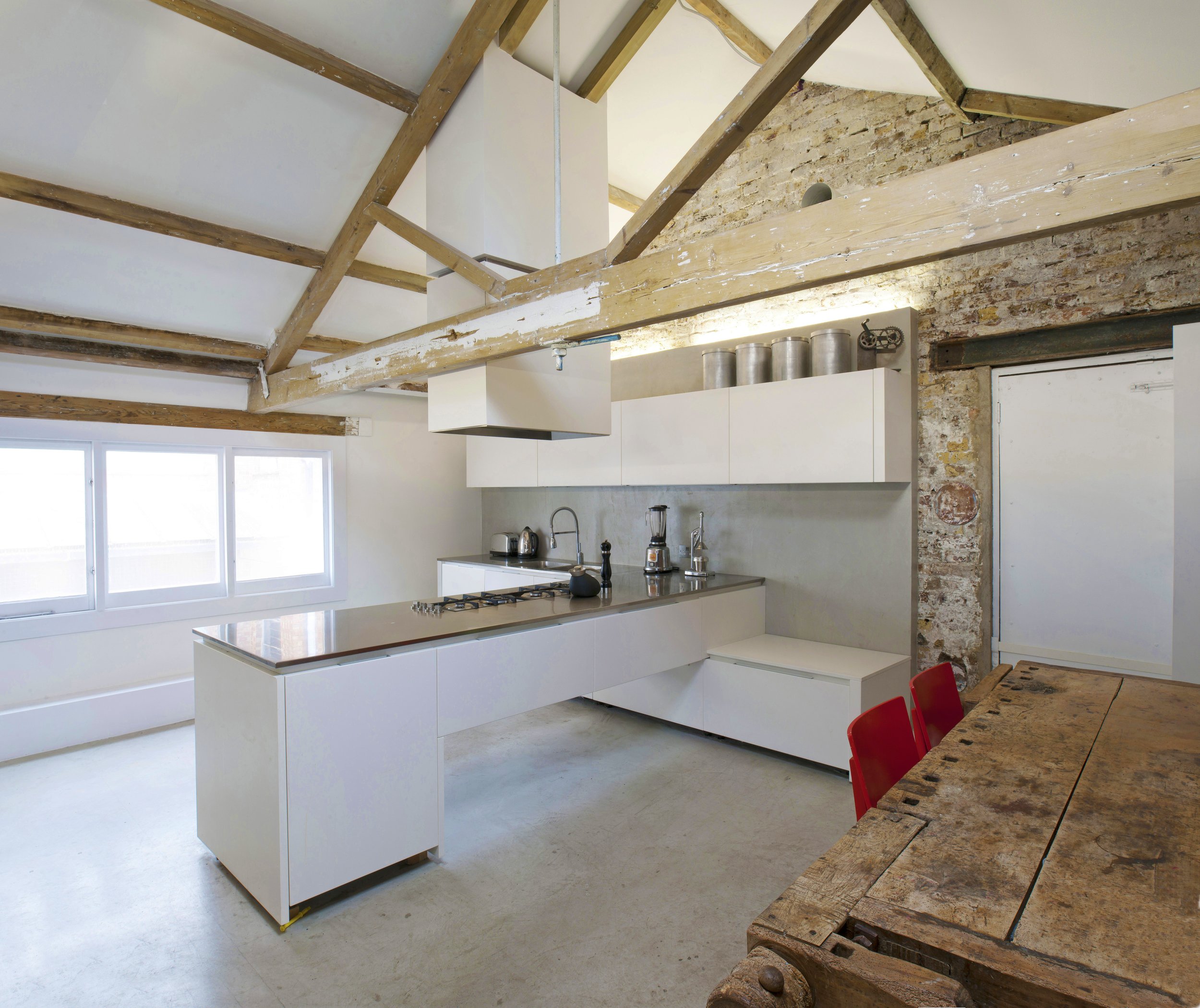
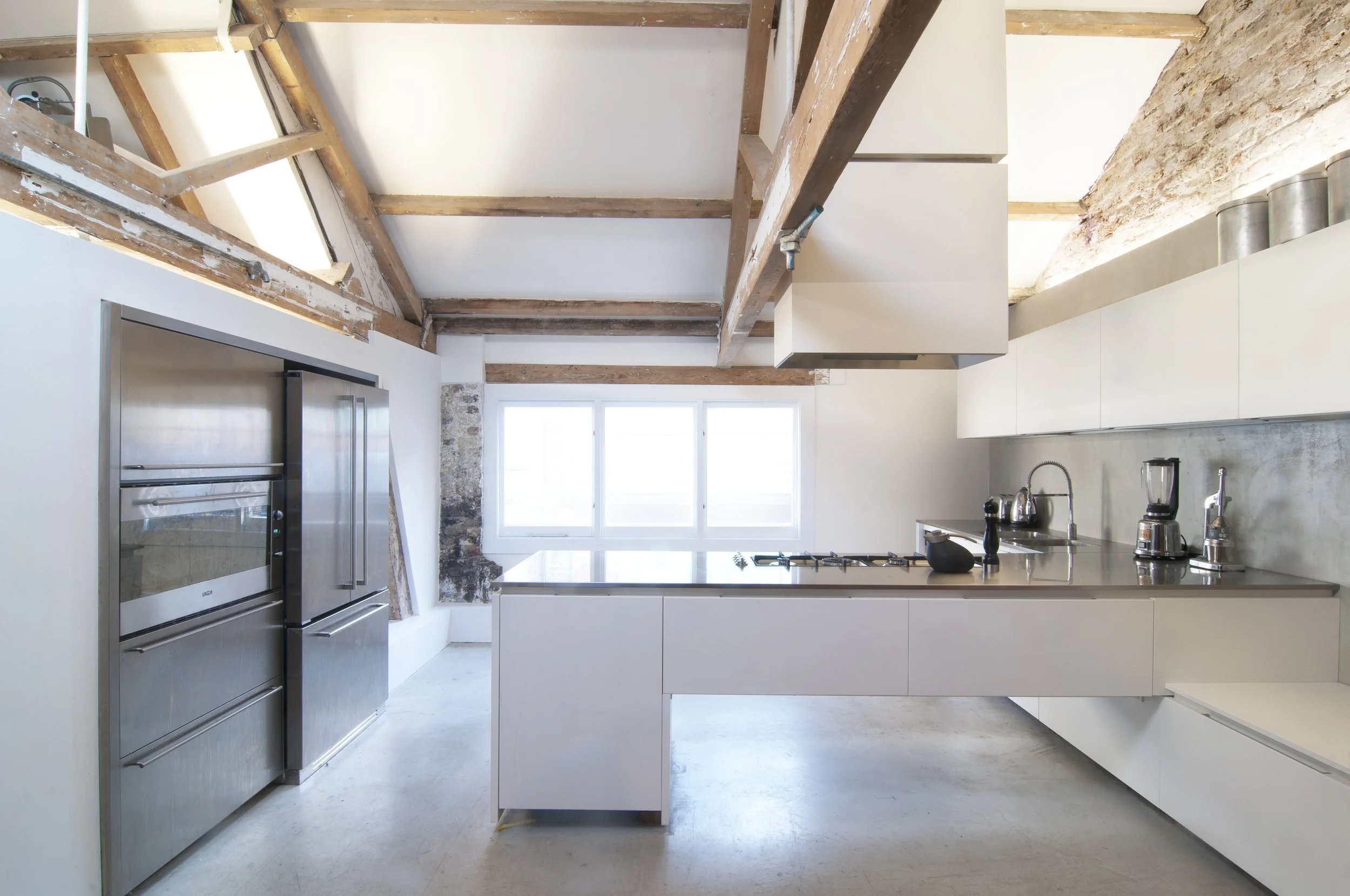
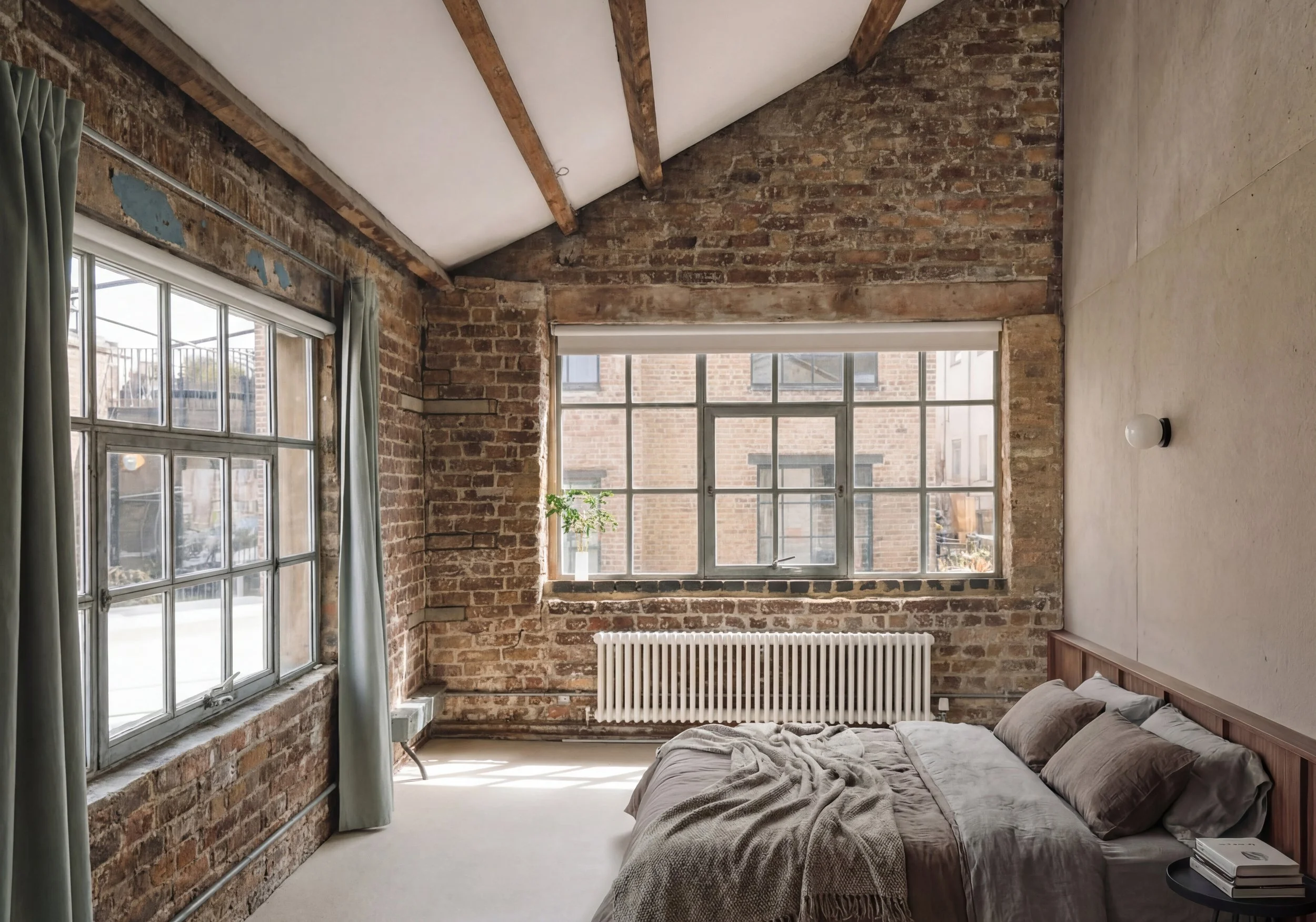
Internally, the building was treated as a single open volume. Original brickwork and timber roof trusses were retained and enhanced, celebrating the building’s industrial heritage while creating a warm, flexible living space. A freestanding stainless steel kitchen was designed as a piece of furniture, capable of supporting professional chefs so that exhibitions and events could be paired with curated dining experiences.
A future lightweight roof extension was carefully designed to sit between the existing trusses, providing two additional bedrooms and a secluded library opening onto a private roof terrace, ensuring the building could evolve over time while respecting its original fabric.